Dynafiber
Dynafiber
Dynafiber
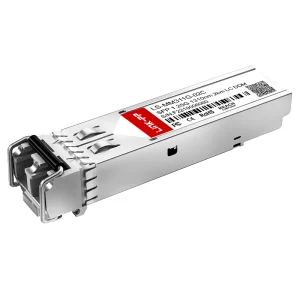
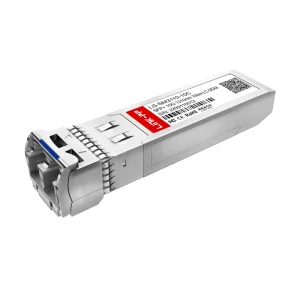
Single Mode SFP (Small Form-factor Pluggable) modules are the backbone of long-haul telecommunications. Unlike Multi-mode modules that utilize 850nm VCSELs, Single Mode modules leverage 1310nm or 1550nm DFB/EML lasers to achieve transmission distances from 10km up to 160km, crucial for MANs and WANs.
Modern Single Mode SFPs utilize Advanced Digital Diagnostics Monitoring (DDM), allowing real-time monitoring of temperature, voltage, and optical power. This "information gain" provides network administrators with the predictive data needed to prevent downtime before it occurs.
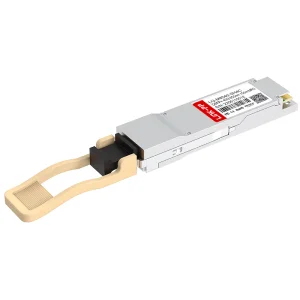
As AI training clusters expand, the demand for Single Mode SFP+ and QSFP28 modules has surged. Single-mode fiber offers virtually unlimited bandwidth potential compared to multi-mode fiber, making it the "future-proof" choice for global enterprises.
In the global optical communication market, Chinese manufacturers have transitioned from low-cost assemblers to high-tech innovators. Companies like Dynafiber Optical Technology represent the pinnacle of this evolution.
Top-tier Chinese factories control the entire lifecycle: from TO-Can packaging and Optical Sub-Assembly (OSA) to final firmware coding and rigorous compatibility testing against major switch brands like Cisco, Juniper, and Arista.
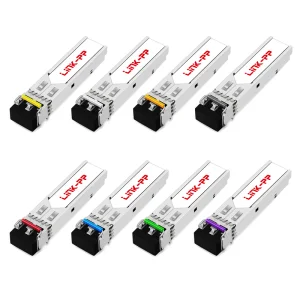
The "Shenzhen-Dongguan" electronics cluster allows for rapid prototyping. Where Western counterparts might take months for custom firmware, these factories can iterate and ship specialized CWDM/DWDM solutions in weeks.
By producing millions of units annually, factories can offer significant "price-to-performance" advantages without compromising on ISO9001 and TUV quality standards, enabling global 5G rollouts to stay within budget.
Established in 2016, Dynafiber Optical Technology Co., Ltd. is a leading specialist in the research, development, and manufacturing of high-performance optical transceiver modules. With 12 years of industry experience, the company supports global telecom operators and data center providers with scalable, customized networking products.
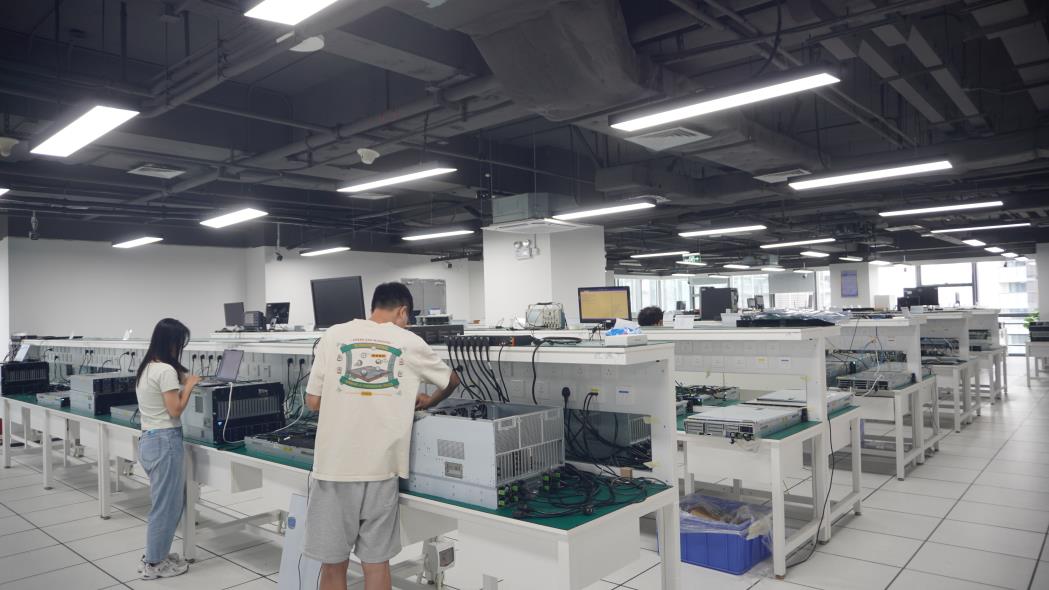
Quality is non-negotiable. Dynafiber implements AOI inspection, BER testing, and environmental stress testing through a dedicated team of 65 quality control engineers, ensuring compliance with international standards across North America, Europe, and Southeast Asia.




For global enterprises, procuring Single Mode SFPs involves navigating complex regulatory landscapes. Top suppliers ensure their products meet:
Top factories now offer localized technical support in regions like Germany, USA, and Singapore. This includes local RMA (Return Merchandise Authorization) centers and firmware engineers who can travel to client sites for large-scale deployments.
Traditional discrete components are being replaced by silicon-based integration, reducing power consumption and cost for 400G and 800G modules.
To reduce latency in AI processing, optics are moving closer to the ASIC. Single Mode fiber is the primary medium for CPO due to its low signal loss.
Green networking is a priority. Factories are optimizing thermal designs to reduce the "Watts-per-Gigabit" footprint of each SFP module.