Dynafiber
Dynafiber
Dynafiber
High-performance components designed for next-generation telecom distribution networks and data centers.
As the physical backbone of fiber-to-the-home (FTTH), fiber-to-the-premise (FTTP), and 5G optical transport networks, Dome Fiber Closures represent a crucial link in signal preservation and environmental isolation.
The global demand for dome fiber closures is driven by asymmetric network modernization. In North America and Western Europe, high-density distribution and rapid micro-trenching dictate modular, mechanically-sealed closures that support high fiber counts. Meanwhile, emerging networks across Latin America and Southeast Asia prioritize cost-efficient, highly durable mechanical or heat-shrinkable solutions to manage sprawling greenfield overhead FTTH pathways.
Industrial installations demand architectures capable of surviving extreme dynamic stress. Underground chambers demand IP68 rated hermetic closures that withstand hydrostatic pressure, prolonged water immersion, and localized chemical contamination. In contrast, aerial deployments demand UV-stabilized, high-impact polycarbonate materials that remain stable across broad temperature variations (-40°C to +65°C).
Modern telecommunications operators look beyond initial acquisition costs. Total Cost of Ownership (TCO) assessments focus heavily on craft-friendliness and re-entry times. Utilizing mechanical gel-sealing techniques over traditional heat-shrink methodologies reduces installation labor costs by up to 40% and simplifies future subscriber provisioning.
Achieving a reliable 25-year operational lifecycle in harsh outside plant (OSP) environments requires strict material selection and advanced mechanical design.
High-grade dome closures are molded using modified Polypropylene (PP) or Polycarbonate (PC) compounds containing UV inhibitors and flame retardants. This composition delivers exceptional impact resistance (IK10), structural stability under mechanical loading, and resistance to environmental stress cracking under thermal exposure.
IP68 water ingress validation requires the seal to remain tight at deep sub-surface pressures. Thermoplastic elastomer (TPE) mechanical gaskets and advanced silicone gel seals are used to accommodate seasonal temperature expansions without losing pressure or allowing moisture ingress.
Inside the dome structure, routing paths must maintain a minimum 30mm bending radius to prevent microbending and macrobending attenuation. Trays feature modular hinging systems, providing access to lower splices without disturbing active traffic fibers on adjacent trays.
As access networks transition toward higher densities and smart automation, outside plant infrastructure must adapt to support more complex demands.
Next-generation dome closures integrate passive sensor technologies. By utilizing embedded RFID tags or micro-environmental sensors powered by optical harvesting, operators can monitor internal humidity, temperature variations, and detect unauthorized box opening events in real-time, preventing fiber failures before they impact service.
Global environmental initiatives are driving research into biopolymers and recyclable engineering plastics. Manufacturers are testing post-consumer recycled PP composites modified with glass-fiber matrices to reduce carbon footprints while maintaining performance under severe freeze-thaw cycles.
The roll-out of high-core-count cables (up to 3456 and 6912 fibers) demands structured management configurations. Future designs feature high-capacity trays designed for multi-fiber ribbon splicing, which reduces installation footprints in congested metropolitan ducts.
Fiber routing demands vary across different topography and installation layouts. Dome closures are engineered to adapt to diverse installation requirements.
Deployed on high-tension cables and utility poles, closures must endure persistent wind vibrations, extreme UV exposure, and biological hazards (bird attacks, nesting insects). Specialized bracket kits secure the dome body, preventing stress on the spliced entry cables.
Subterranean deployment represents one of the harshest outside plant environments. Under constant threat of flooding, mud accumulation, and corrosive runoff, these dome closures feature robust mechanical locks, corrosion-resistant valve ports for pressure testing, and heavy-duty clamp seals.
Placed directly into the earth without protective conduit vaults, direct-buried dome closures must withstand soil settling forces, weight load spikes from heavy surface machinery, and potential root intrusion. Reinforced external ribs prevent shell deformation over long operating lifecycles.
Optical network architectures require custom component designs. Our solutions address key deployment challenges across multiple network types.
By standardizing modular splice trays and splitters within dome structures, operators can quickly drop local connections to home subscribers. The mid-span entry port design allows loop-through installation of feeder cables, routing drop cables out as subscriber demand increases.
5G small cells demand high-bandwidth fiber access at high densities. Specialized dome closures protect dense distribution splits, routing low-loss optical lines to remote radio heads (RRH). This maintains network uptime by preventing signal attenuation from environmental changes.
Interconnecting traffic cameras, automated metering systems, and public Wi-Fi networks requires reliable distributed fiber architectures. Compact dome closures fit into cramped street handholes, routing connections for multiple local agencies on shared-use networks.
Dynafiber Optical Technology Co., Ltd. is a leading manufacturer of high-performance optical transceiver modules and fiber optic communication solutions, supporting critical network infrastructure worldwide.
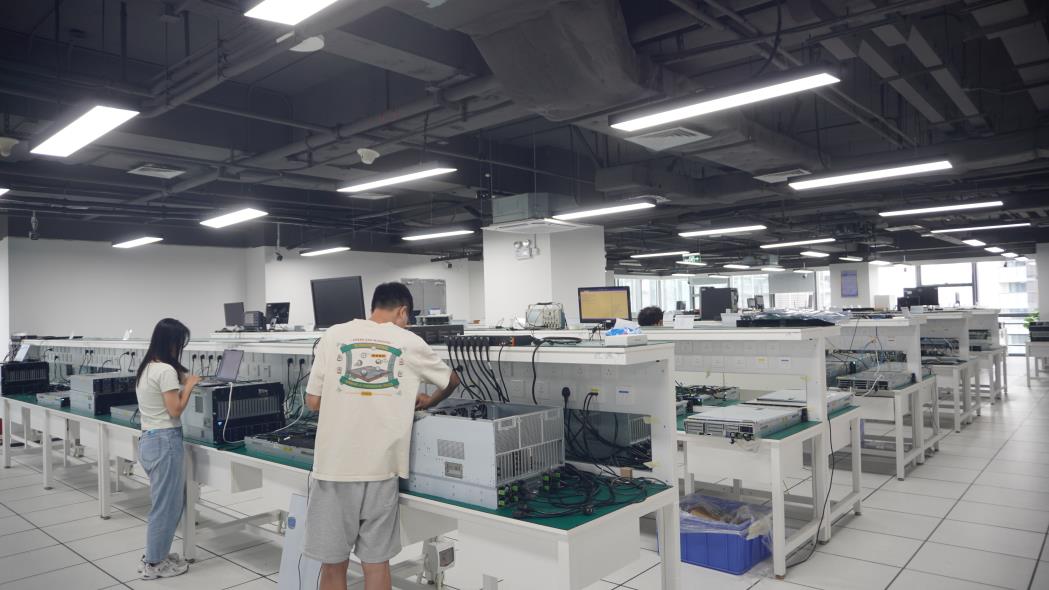
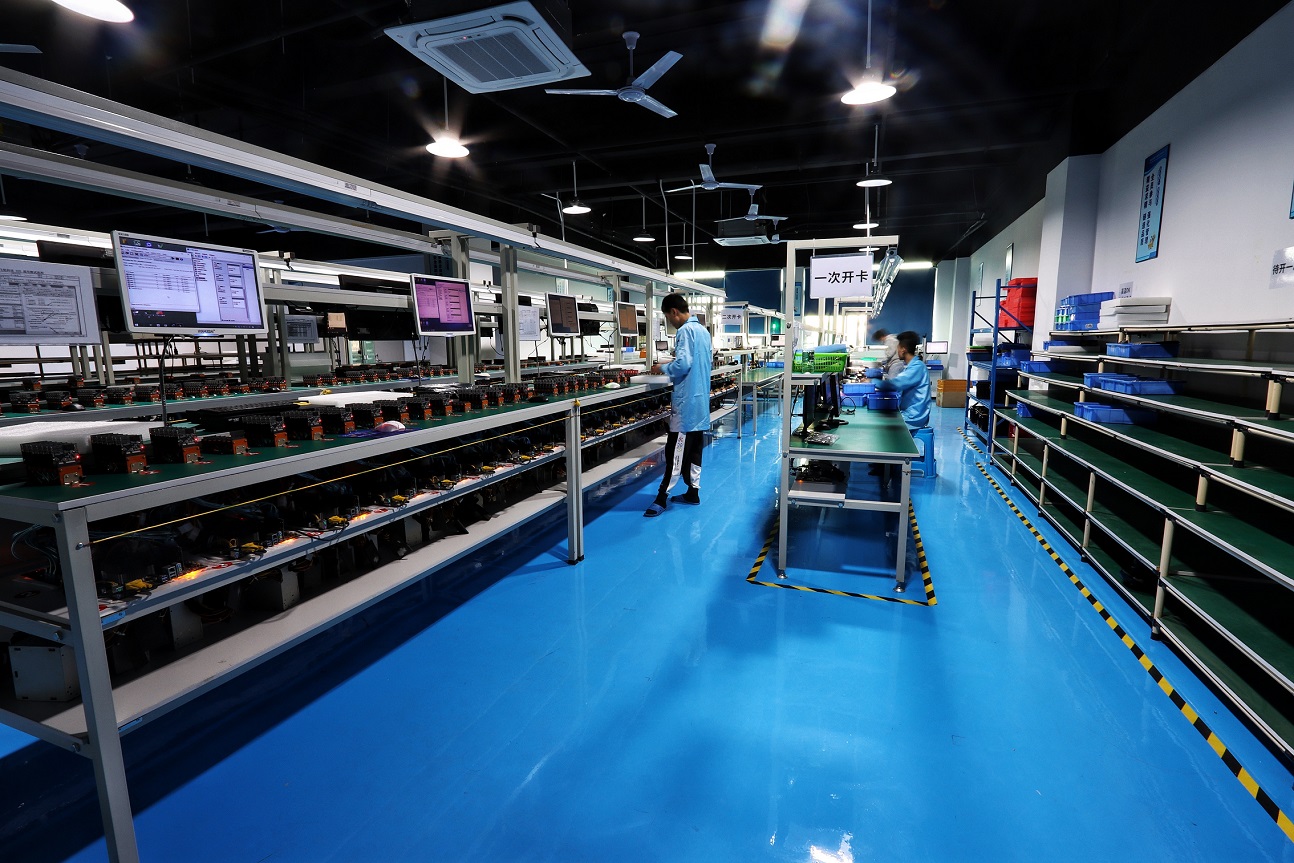
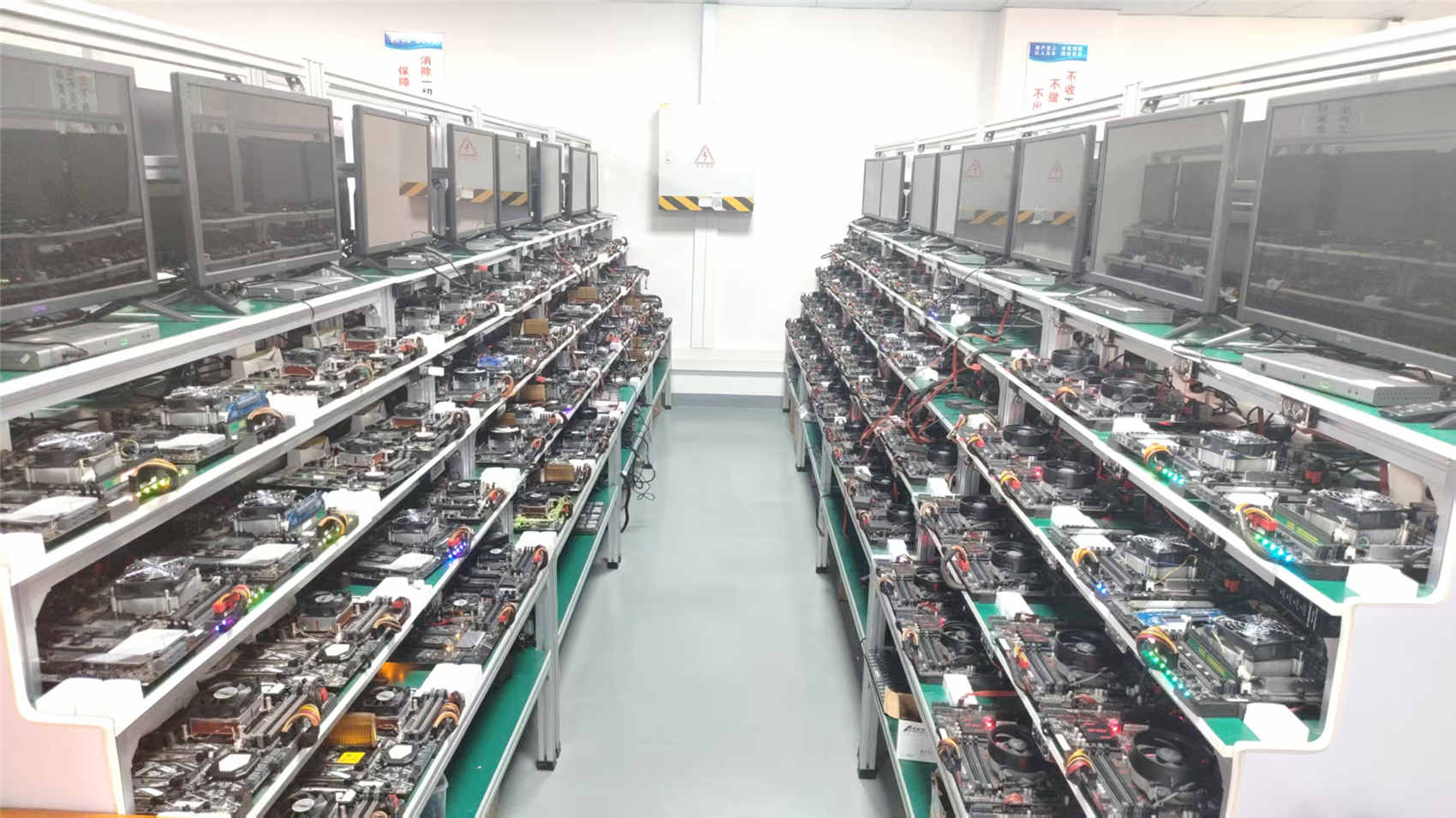
Established in 2016, Dynafiber operates a modern production facility covering 28,600㎡. We design, manufacture, and export high-performance optical transceiver modules and fiber distribution accessories, helping system integrators and telecommunications operators deploy robust networks.
With an annual export revenue of approximately USD 18.6 million, 7 years of export experience, and 12 years of industry experience in optical communication manufacturing, Dynafiber serves global telecom operators, data center providers, system integrators, and enterprise networking companies with advanced optical solutions designed for high-speed connectivity.
Our strong R&D capabilities are supported by a professional engineering team of 260 R&D engineers focused on optical module design, signal integrity optimization, thermal management, and next-generation communication technologies. Dynafiber provides flexible customization options, including custom optical specifications, firmware configuration, labeling services, packaging solutions, and OEM/ODM manufacturing support.
With extensive international trade experience, Dynafiber has built a strong global supply network and maintains cooperation with 1,200+ supply chain partners, including component manufacturers, optical device suppliers, and technology service providers. The company’s trade background covers OEM manufacturing, ODM cooperation, and global distribution partnerships.
Dynafiber’s major markets include North America, Europe, Southeast Asia, the Middle East, and South America. Its main customer groups include telecommunications companies, cloud service providers, data center operators, network equipment distributors, and industrial communication solution providers.
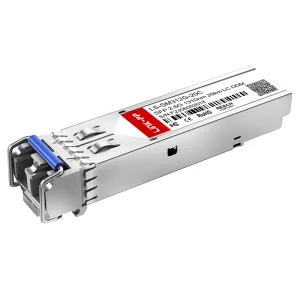
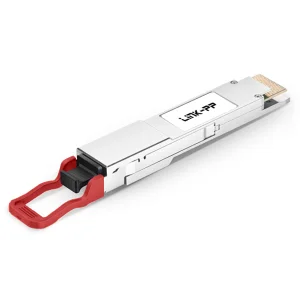
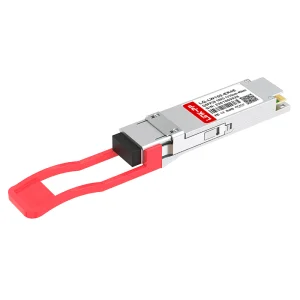
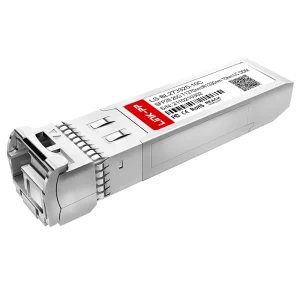
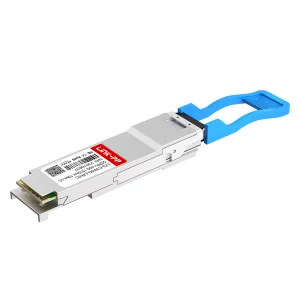
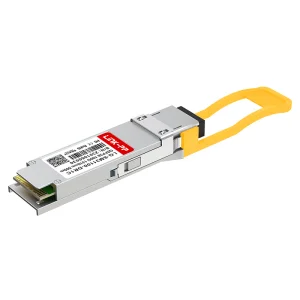
In the past year, Dynafiber launched 180 new products, covering advanced optical transceiver categories such as SFP, SFP+, QSFP, QSFP28, QSFP-DD, DAC, AOC, and high-speed data center optical solutions. Through continuous innovation and investment in research, Dynafiber remains committed to delivering dependable optical communication products and building long-term partnerships with customers worldwide.

Standard specifications, installation guides, and performance questions answered by Dynafiber's technical team.
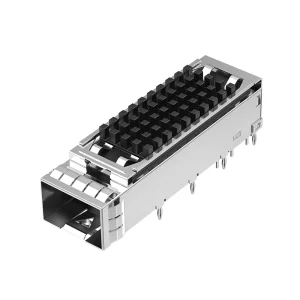
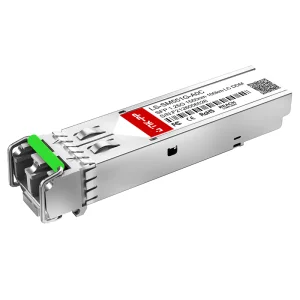
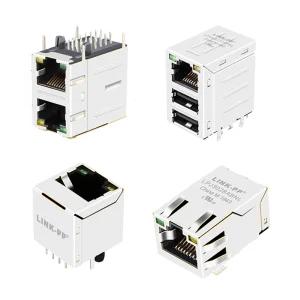
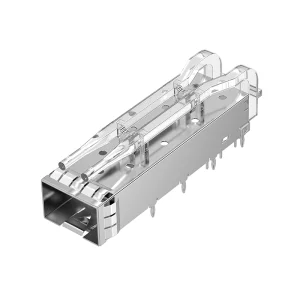
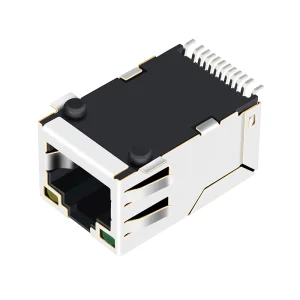
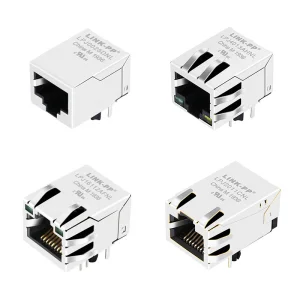
High-reliability transceivers, cages, and physical layer connectors for telecom and enterprise networks.