Dynafiber
Dynafiber
Dynafiber
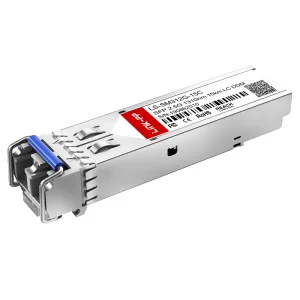
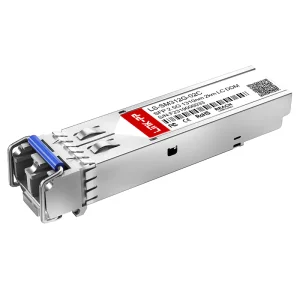
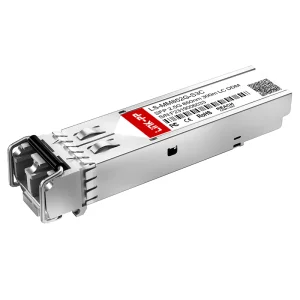
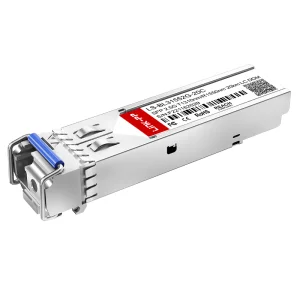
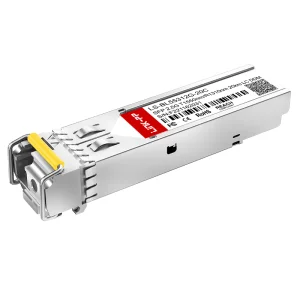
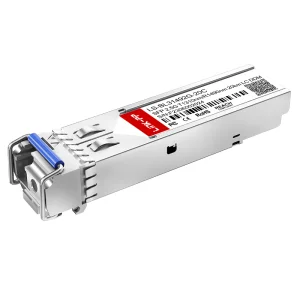
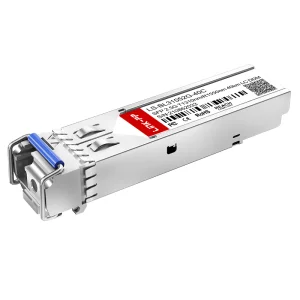
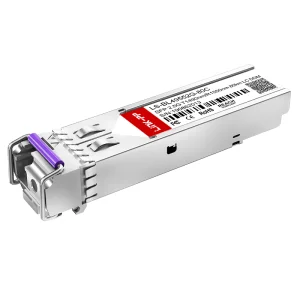
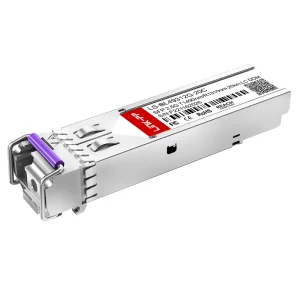
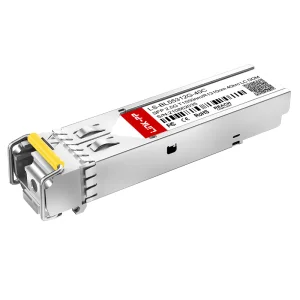
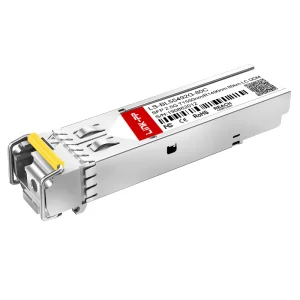
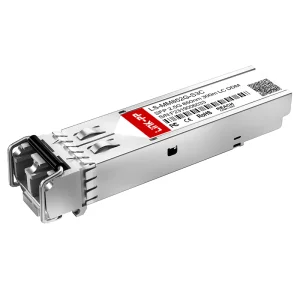
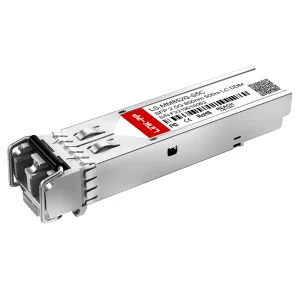
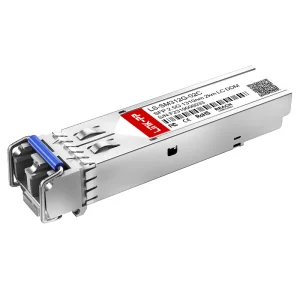
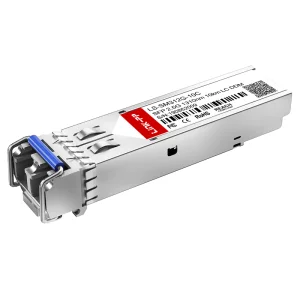
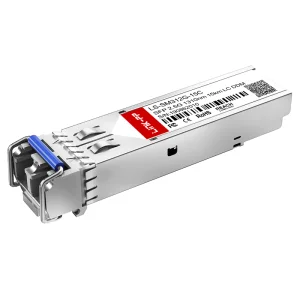
The Philippines is currently witnessing a massive transformation in its telecommunications infrastructure. Driven by the "Digital Cities 2025" initiative and the post-pandemic surge in remote work, the demand for high-speed fiber connectivity has moved beyond the standard 1G limitations. As a leading 2.5G~6G SFP Module Factory, we provide the essential building blocks for this migration.
In regions like Metro Manila, Cebu, and Davao, enterprises and ISPs are increasingly deploying 2.5G and 5G/6G CPRI (Common Public Radio Interface) protocols to support high-density user environments. The 2.5G SFP module has become a "sweet spot" for upgrading existing Cat5e/Cat6 infrastructure to support Wi-Fi 6/6E access points and high-speed broadband without the prohibitive cost of full 10G overhauls.
Global optical communication trends indicate that the "middle-mile" and "access-layer" networks are the primary bottlenecks. While 100G and 400G dominate the core, the 2.5G to 6G range is critical for:
Established in 2016, Dynafiber Optical Technology Co., Ltd. stands as a titan in the optical transceiver industry. With a massive 28,600㎡ production facility, we are not just a supplier but a strategic partner for Philippines' network integrators. Our 12 years of industry experience ensure that every module leaving our factory is optimized for high-temperature tropical climates—a critical factor for deployment in the Philippines.
Our commitment to E-E-A-T (Experience, Expertise, Authoritativeness, and Trustworthiness) is reflected in our rigorous testing protocols. Unlike generic suppliers, Dynafiber employs AOI (Automated Optical Inspection), Bit Error Rate (BER) testing, and environmental stress tests to ensure our 2.5G~6G SFP modules can withstand the Philippine humidity and heat (operating temperature ranges from 0°C to 70°C for commercial and -40°C to 85°C for industrial grade).

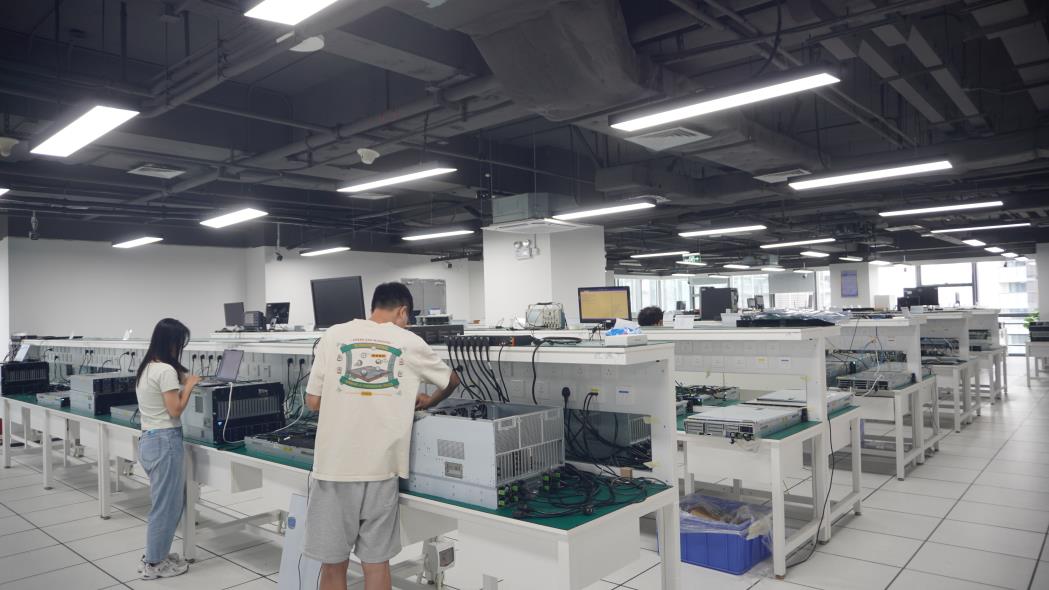
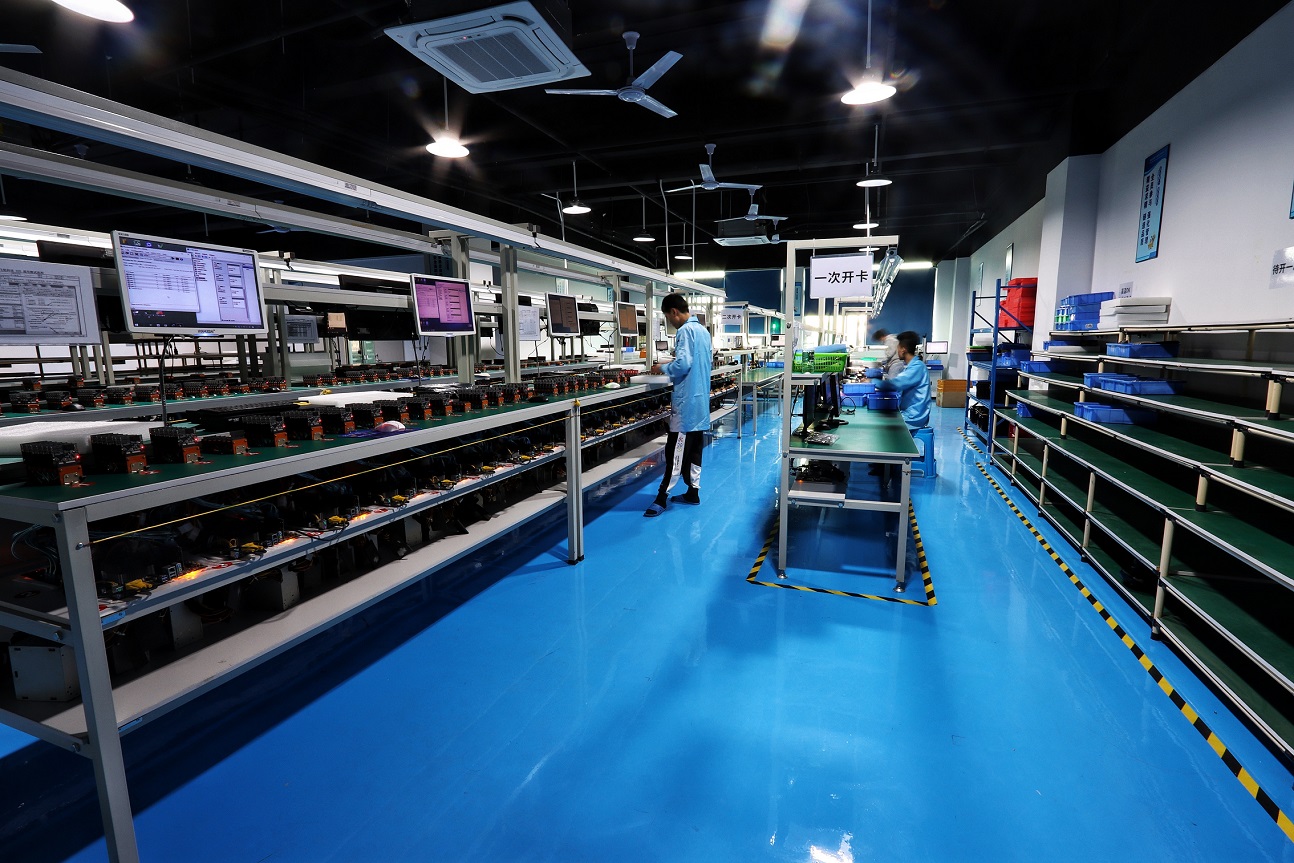
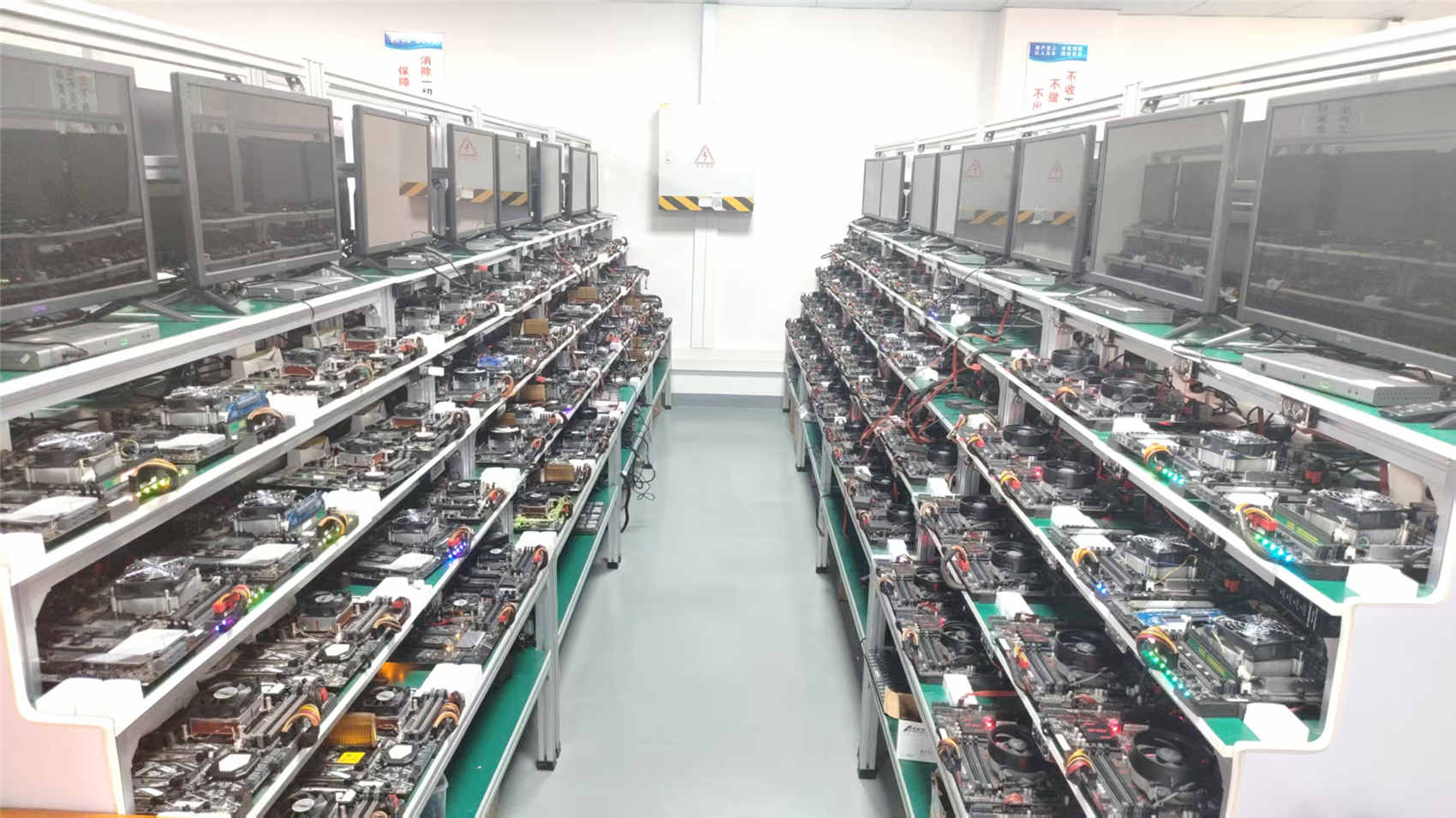

Building a network in the Philippines presents unique challenges, from the geographical fragmentation of the archipelago to the regulatory requirements of the National Telecommunications Commission (NTC). Dynafiber provides a specialized support framework to address these needs:
We provide full documentation for NTC clearance, ensuring that importation and local deployment are seamless. Our technical team offers remote firmware configuration to ensure 100% compatibility with local equipment from brands like Huawei, ZTE, Nokia, and Cisco, which are prevalent in the Philippine telecom landscape.
The evolution of SFP modules is moving toward lower power consumption and higher thermal stability. At Dynafiber, our R&D team is currently focusing on:
By choosing a factory-direct partnership, Philippine businesses gain "Information Gain"—insight into the next generation of networking before it hits the retail market, allowing for future-proofed network designs.
Yes. Our modules are extensively tested for compatibility with Cisco, Huawei, Nokia, and ZTE equipment, which are the standard across Globe, Smart, and PLDT networks. We can provide custom firmware coding before shipping.
We have 7 years of export experience and strong logistics partnerships. We typically ship via DHL, FedEx, or air freight to NAIA (Manila) or Davao International Airport, with transit times ranging from 3-5 business days.
We provide a 3-year standard warranty on all 2.5G~6G SFP modules, covering performance degradation and hardware failure under normal operating conditions.
Absolutely. We encourage system integrators in the Philippines to request evaluation samples to verify performance in their specific network environment.
2.5G is typically used for Ethernet-based broadband and Wi-Fi 6 backhaul. 6G modules are primarily used for mobile fronthaul (CPRI) in 5G radio deployments. We manufacture both categories in our factory.