Dynafiber Dynafiber

Dynafiber Optical Communication Solutions

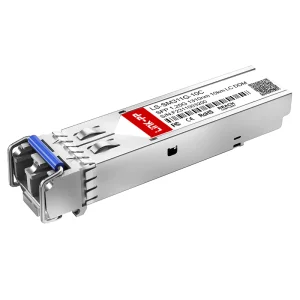
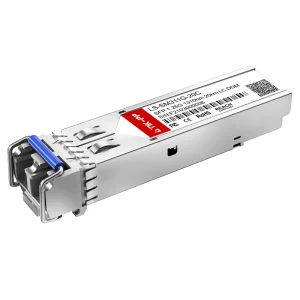
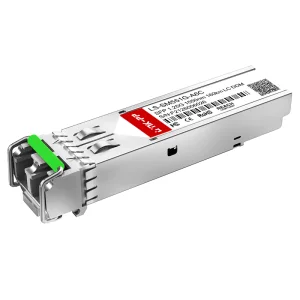
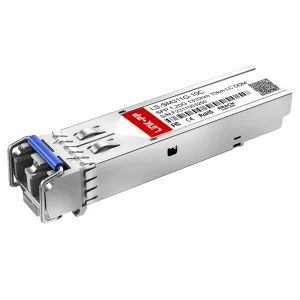
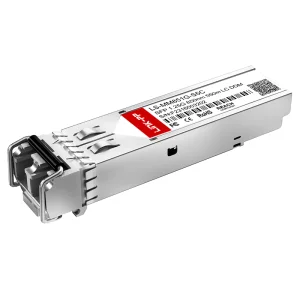
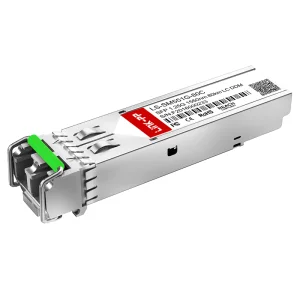
1.25G SFP Module Manufacturers & Factory in the South Sudan market

Send Inquiry Now
28,600㎡ Production Facility
12+ Yrs Industry Experience
260 R&D Engineers
USD 18.6M Annual Export Revenue
Local Market Insights

Optical Fiber Evolution & Hardware Demand in South Sudan

As Africa's youngest nation, South Sudan is undergoing an aggressive and transformative expansion of its telecommunications and digital infrastructure. Moving rapidly away from high-latency satellite communications, the government and private telecom operators—such as MTN, Zain, and Digitel—are laying down extensive terrestrial fiber-optic backbones. These projects physically link key metropolitan hubs, including the capital city of Juba, Wau, Malakal, and Yei, to the submarine cable networks arriving at East African coastal nodes via Uganda and Kenya.

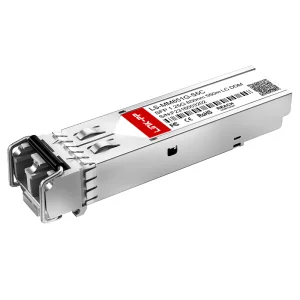
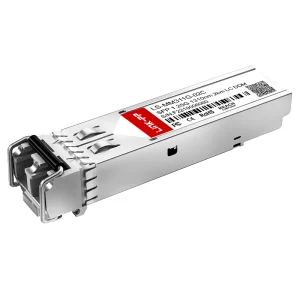
In this demanding deployment landscape, the 1.25G SFP (Small Form-factor Pluggable) optical transceiver stands out as a critical operational workhorse. Despite the global focus on 10G, 40G, and 100G migration in hyperscale data centers, 1.25G networks remain the backbone of fiber-to-the-x (FTTx) access loops, base station backhaul systems, and metropolitan area distribution rings across developing regions. In South Sudan, where geographical challenges, electrical grid fluctuations, and high ambient temperatures place immense stress on network hardware, selecting the right optical modules is not just a question of price—it is a critical determination of network uptime and stability.

Severe Environmental Ruggedness

South Sudan experiences prolonged dry seasons with temperatures frequently exceeding 40°C. Heavy dust and particulate matter can damage sensitive optical connections. Transceivers deployed in outdoor cabinets require hardened housings, exceptional thermal dissipation, and industrial-grade operating ranges (-40°C to 85°C) to prevent thermal shutdown and premature laser degradation.

Long-Distance Signal Optimization

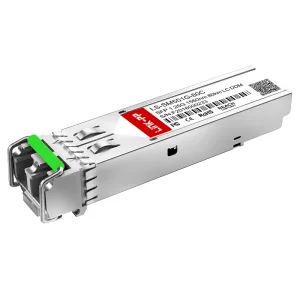
Due to sparse metropolitan spacing, optical links in South Sudan must traverse vast distances without active amplification. Modules covering 40km (1000BASE-EX), 80km (1000BASE-ZX), and up to 120km/160km (1000BASE-EZX) are in high demand to maintain link budget integrity across remote regions like the Bahr el Ghazal and Upper Nile states.

Power Fluctuation Tolerance

Unstable power supplies and reliance on diesel generators at remote cellular towers cause voltage spikes. Optical modules with integrated digital diagnostics (DDM/DOM) allow Juba-based central operations centers to remotely monitor optical power levels, voltage, temperature, and transmitter bias currents in real time.
Manufacturing Excellence

Direct-from-China Sourcing Advantages for South Sudan

For network operators, procurement managers, and system integrators in Juba or regional offices, partnering directly with a leading Chinese optoelectronic manufacturer like Dynafiber Optical Technology Co., Ltd. offers significant strategic advantages. Local distributors in East Africa often carry high markups and lack the deep technical expertise or customization capabilities required for specialized projects.

Dynafiber, established in 2016, offers an optimized balance of strict quality assurance and manufacturing scale. Operating a state-of-the-art 28,600㎡ production facility, Dynafiber manages every stage of design and manufacturing in-house. This ensures that every 1.25G SFP module shipped to the East African market is built to survive challenging local field conditions, while minimizing procurement overhead.

Our global partnerships extend to over 1,200 supply chain partners, guaranteeing high-grade optical sub-assemblies (TOSA/ROSA) and dependable chipsets. By maintaining an annual export volume of USD 18.6 million and possessing 12 years of industry experience, we have optimized our supply-chain and shipping routes to service challenging markets like South Sudan with fast turnaround times and comprehensive customs documentation.

Dynafiber Quality Control Protocol

Every transceiver is subjected to rigorous testing to guarantee a 0% failure rate upon arrival in Juba:

  • Automated Optical Inspection (AOI): Validates component placement and structural integrity.
  • Bit Error Rate (BER) Testing: Ensures error-free transmission under extreme load.
  • Wavelength Analysis & Optical Power Tuning: Confirms TX power and RX sensitivity match strict limits.
  • Environmental Stress & High-Temperature Cycling: Simulates extreme outdoor operational settings.
  • Switch Compatibility Auditing: Verified against Cisco, Mikrotik, Ubiquiti, Huawei, and other major platforms.

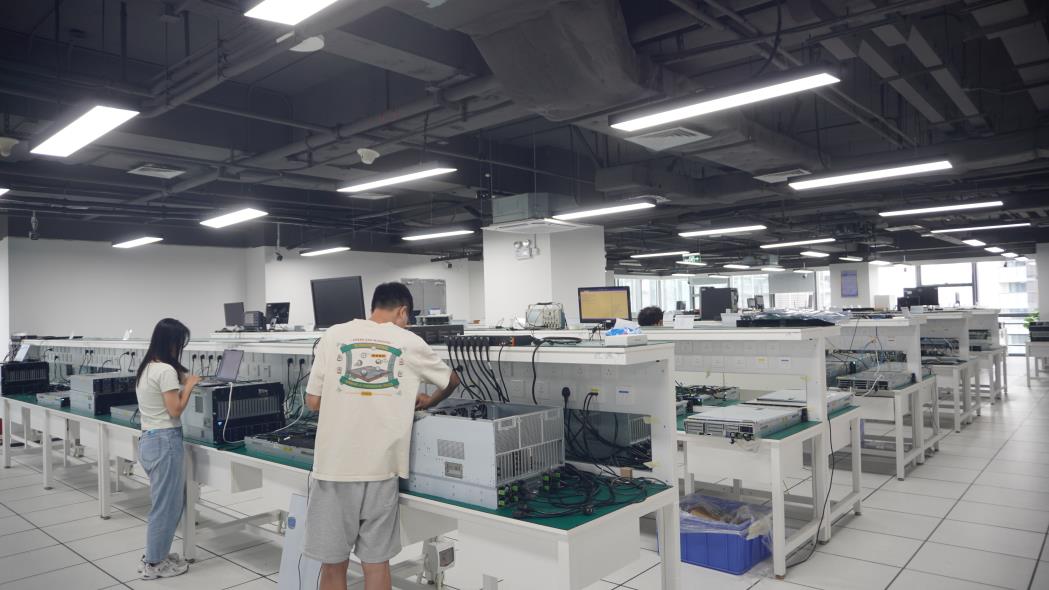
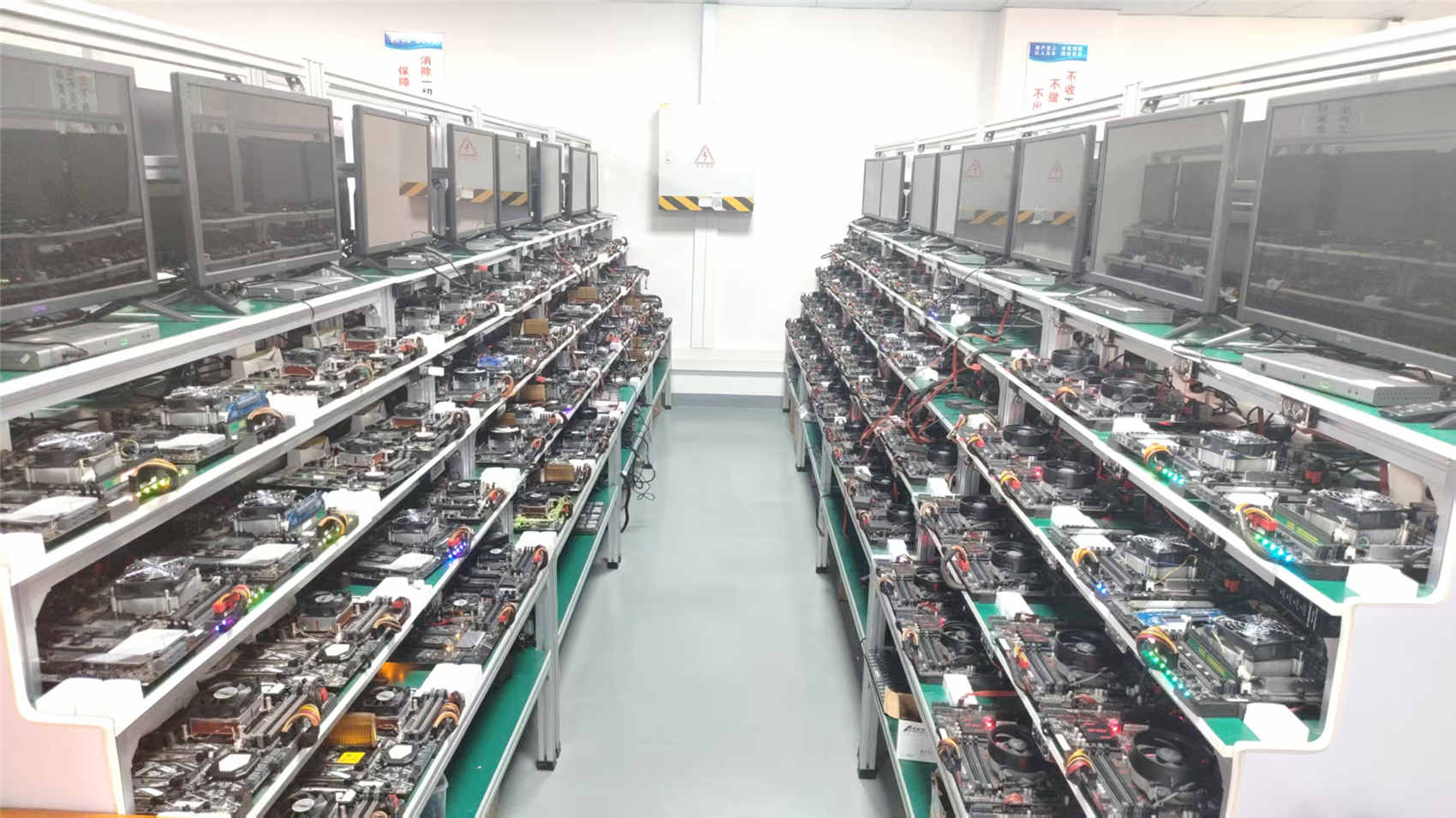
Inside Our Production Facility

Dynafiber invests heavily in automated assembly lines, dust-free cleanrooms, and testing facilities to meet the stringent demands of global operators.

Real-World Case Scenarios

Typical Deployments of 1.25G SFPs in South Sudan

1. Oil & Gas Field Connectivity

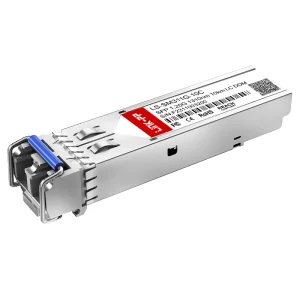
In regions like the Melut Basin or Unity State, oil fields require secure, high-reliability local communication loops over large exploration blocks. Due to the high risk of electromagnetic interference and lighting strikes on copper cabling, single-mode 1.25G SFP transceivers (covering 40km or 80km) are deployed in optical modems and industrial switches. These modules feed SCADA control and monitoring data back to the central base camp safely.

2. Mobile Backhaul Links

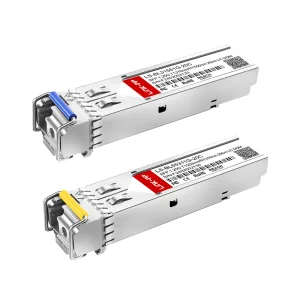
Connecting cell towers in rural parts of South Sudan to the metropolitan packet network requires robust gigabit backhaul. Our 1.25G BiDi (Bidirectional) SFP modules allow operators to transmit and receive signals over a single strand of fiber, effectively doubling physical fiber capacity. This reduces infrastructure layout costs along main highways connecting Juba with outlying districts.

3. Government & NGO Office LANs

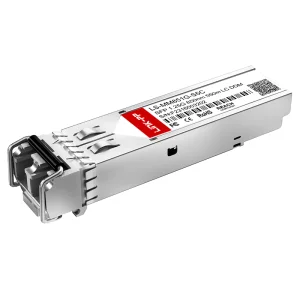
Juba houses numerous non-governmental organizations (NGOs), foreign embassies, and ministries that demand high-speed local Area Network (LAN) backbones. Multi-mode 1.25G SFPs (850nm) are heavily utilized to link core switches to distribution switches across server rooms, providing low-latency, secure internal communication links.

Need Custom Brand Compatibility or Custom Firmware?

Our engineering team can customize transceivers for compatibility with any major switch platform.

Get A Free Quote
Buying Advice & Market Outlook

Crucial SFP Selection & Sourcing Strategies

As South Sudan moves to establish its digital economy, the purchasing demands of telecom operators and infrastructure managers focus heavily on stability and lifetime total cost of ownership (TCO). High shipping fees, custom clearances, and long transport timelines mean that buying low-quality transceivers that fail prematurely is extremely expensive. Procurement directors are looking for manufacturers who can supply highly reliable, carrier-grade products.

Key Sourcing Considerations:

  • MSA (Multi-Source Agreement) Compliance: Standardizing optical module design ensures interoperability. Dynafiber SFP modules conform strictly to SFP MSAs, meaning they work smoothly with switches from multiple hardware makers without vendor-lock issues.
  • DDM/DOM Functionality: Integrated Digital Diagnostics Monitoring is essential for monitoring parameters such as optical input/output power, laser bias current, and temperature. DDM acts as an early warning system, preventing complete link failures.
  • Logistics and Transit Insurance: Transporting sensitive optoelectronics from China to East Africa requires secure, shock-absorbent packaging. Dynafiber uses specialized anti-static custom blister packs and reliable air-freight services with full insurance coverage, ensuring your equipment arrives in perfect condition.

1.25G SFP Technology Trends:

While next-generation data centers are deploying 400G and 800G, the 1.25G standard continues to grow in rural backhaul and industrial access networks. Its balance of low power consumption, affordability, and physical robustness makes it the preferred interface for remote industrial nodes, solar-powered base stations, and localized FTTH rollouts. Long-wavelength modules (such as 1550nm for 80km to 160km ranges) will remain in high demand as network builders continue to extend connectivity to remote regions.

FAQ

Technical Support & Sourcing FAQ

Are Dynafiber 1.25G SFPs compatible with Cisco and Mikrotik switches deployed in South Sudan?

Yes. All Dynafiber transceivers can be customized with specific EEPROM coding to ensure compatibility with major routing and switching systems, including Cisco, Mikrotik, Ubiquiti, Huawei, Juniper, and HP. Please state your target hardware brands when requesting a quote so that we can pre-program the firmware in our factory.

How do industrial-grade SFP modules handle the high temperatures in South Sudan?

Commercial SFP modules are rated for temperatures between 0°C and 70°C. For the hot climate of South Sudan, particularly in uncooled outdoor enclosures, we recommend our industrial-grade SFP modules. These use premium laser diodes and rugged internal components designed to operate reliably from -40°C up to 85°C.

What is the difference between BiDi SFP and Duplex SFP, and which is better for South Sudan?

A Duplex SFP uses two separate fibers: one for transmitting (TX) and one for receiving (RX). A BiDi (Bidirectional) SFP transmits and receives over a single fiber strand by using two different wavelengths (e.g., 1310nm-TX/1550nm-RX). BiDi modules are ideal when fiber cabling is limited or expensive to lay, allowing operators to double their capacity without installing new physical fiber.

What logistics methods do you use to ship orders from China to Juba, South Sudan?

We routinely ship to East Africa via air freight (DHL, FedEx, UPS) and major sea cargo routes. For urgent telecom components, air freight to Juba International Airport (JUB) takes approximately 5 to 9 business days. We provide comprehensive commercial invoices, packing lists, and Certificate of Origin (CO) documents to simplify local customs clearance.

Does Dynafiber support OEM and custom labeling for local system integrators?

Yes. Our 28,600㎡ factory supports full OEM/ODM customization. We can customize the module labeling, pull-tab colors, package branding, and EEPROM vendor names to match your company's specifications, supporting local integrators in building their own brand presence.

What quality tests are performed on the SFP modules before shipping?

Every single SFP module undergoes automated optical inspection (AOI), eye-diagram verification, bit error rate (BER) testing, optical power measurement, and environmental stress tests in our temperature chambers. These rigorous steps ensure that the transceivers arrive on-site ready for deployment, minimizing field failures.

Have more technical questions or need a volume price list?

Contact Our Engineering Team