Dynafiber
Dynafiber
Dynafiber
Engineered for absolute compatibility, long-distance signal integrity, and high-density industrial switches deployed across Lomé, Kara, and regional networks.
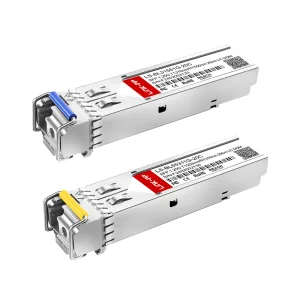
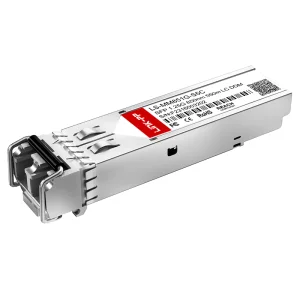
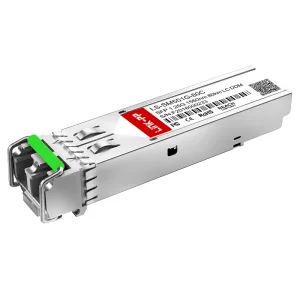
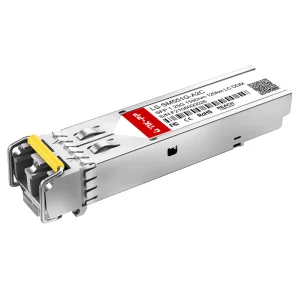
As West Africa accelerates its digital transformation initiatives, the Republic of Togo has emerged as a critical gateway and technological hub for the sub-region. Driven by government strategies such as the Togo Digital 2025 Strategy, the country has made immense strides in developing its telecommunications architecture. Lomé, hosting major subsea cables including Equiano and WACS, functions as a high-bandwidth digital landing station feeding connectivity into landlocked neighboring countries like Burkina Faso, Mali, and Niger.
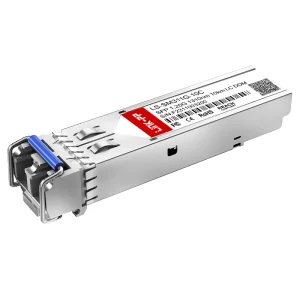
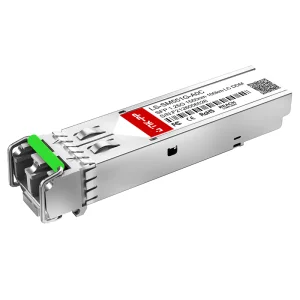
Within this rapidly expanding broadband landscape, the demand for stable, reliable, and high-performance hardware components has grown exponentially. Specifically, 1.25G SFP (Small Form-factor Pluggable) optical transceiver modules serve as the structural backbone of Togolese metropolitan area networks (MANs), Fiber-to-the-Home (FTTH) architectures, and enterprise Local Area Networks (LANs). In order to achieve the necessary digital infrastructure maturity, domestic telecommunications operators, local ISPs, and government-backed agencies require SFP hardware that strictly adheres to the Multi-Source Agreement (MSA) standards, offering seamless integration with preexisting optical transport equipment.
The Port Autonome de Lomé utilizes high-throughput industrial switches requiring industrial-grade 1.25G SFP transceivers to manage real-time automated cargo tracking and security monitoring networks over optical backbones.
Telecommunications providers such as Togo Telecom and Moov Africa leverage 1.25G SFP optical transceivers to bridge the optical distribution frame (ODF) and customer premises equipment (CPE) in dense urban deployments.
With the construction of Togo’s flagship Tier III Carrier-Neutral Data Center (Lomé Data Center), reliable 1.25G copper (1000BASE-T) and short-range multimode fiber modules are key for interconnecting top-of-rack switches.
Operating telecommunications hardware in West Africa presents unique environmental challenges. Togo features a tropical climate characterized by sustained high humidity levels (often exceeding 80%) and ambient temperatures reaching up to 40°C in inland regions such as Savanes and Kara. Standard commercial-grade optical transceivers are prone to premature failure under these conditions due to thermal expansion, laser diode degradation, and moisture intrusion.
Consequently, Dynafiber manufactures high-specification 1.25G SFP transceivers featuring Digital Diagnostic Monitoring (DDM) / Digital Optical Monitoring (DOM). This allows Togolese network administrators to monitor real-time laser temperature, receiver optical power, transmitter bias current, and supply voltage. By utilizing industrial-grade temperature-hardened components (capable of operating from -40°C to +85°C), we ensure long-term network survivability and lower the total cost of ownership (TCO) for local engineering teams.
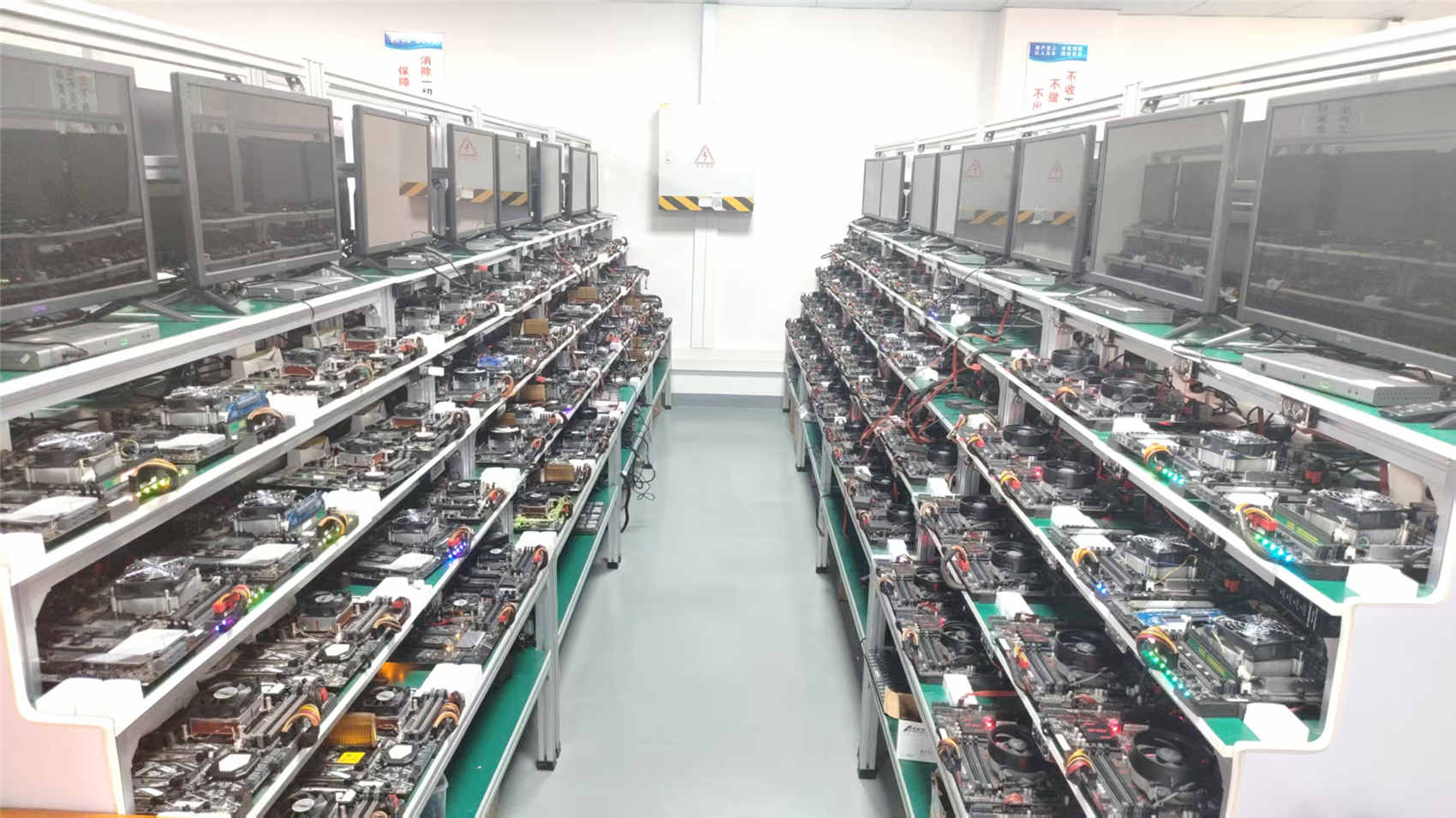
Established in 2016, Dynafiber Optical Technology Co., Ltd. has grown to become a globally recognized manufacturer of high-performance optical transceiver modules and customized fiber optic systems. Our state-of-the-art 28,600㎡ production center is equipped with advanced automated assembly lines, high-frequency signal analyzers, and cleanroom environments, allowing us to maintain an annual export capacity of millions of transceiver modules, translating to an annual export revenue of approximately USD 18.6 million.
With 12 years of industry experience, Dynafiber excels in solving hardware interoperability challenges. Our products undergo rigorous validation processes, backed by a professional quality control team consisting of 65 dedicated quality engineers and inspectors. We leverage key manufacturing technologies, including Automated Optical Inspection (AOI), Bit Error Rate (BER) testing, optical spectrum analysis, and strict compliance testing against CE, FCC, RoHS, and ISO9001 standards.
Each 1.25G SFP transceiver is programmed and tested on-site using original host systems (Cisco, Mikrotik, Juniper, Huawei, HP) to guarantee plug-and-play functionality in Togo's legacy setups.
To withstand Togo's coastal humidity and tropical heat, our transceivers undergo a 48-hour continuous thermal aging chamber test, preventing premature laser diode drift.
With a robust network of over 1,200 component partners, Dynafiber secures key optical chips (TOSA/ROSA) even during global silicon shortages, promising Togo clients short lead times.




Procuring optical transceivers from a direct China manufacturer like Dynafiber offers unmatched financial and technical advantages for enterprises and telecoms operating in Togo:
By producing tens of thousands of SFP modules daily, Dynafiber reduces unit costs far below those of localized European or regional resellers, offering Togolese procurement managers higher margins.
We can program SFP EEPROMs to mimic specific vendor IDs (Vendor Name, Part Number, Serial Number), bypassing hardware lockouts implemented by legacy network device brands.
With established air freight and maritime shipping corridors directly connecting Shenzhen/Guangzhou to the Autonome Port of Lomé and Gnassingbé Eyadéma International Airport, custom clearances are streamlined.
Togo’s growing position as an optical transport pathway to interior Africa underscores the necessity of purchasing robust, long-lifespan network gear. Our custom labeling, customized firmware configuration, and custom packaging enable regional distributors in Lomé to quickly deploy white-labeled hardware across West Africa.
Critical engineering and trade answers regarding the deployment of 1.25G SFP transceivers in West Africa.
High-speed fiber solutions designed for optical networks across West Africa. Keep your infrastructure performing efficiently with MSA-compliant hardware.
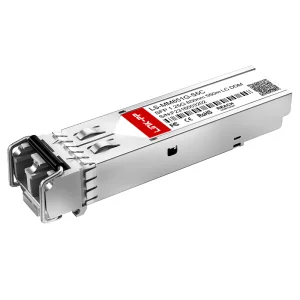
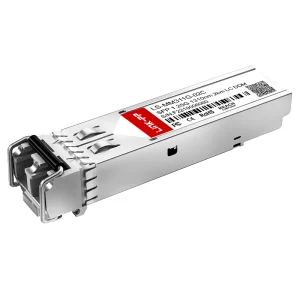
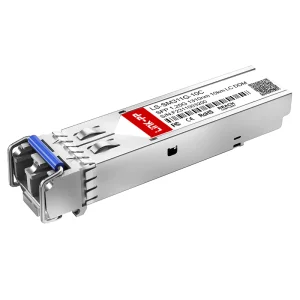
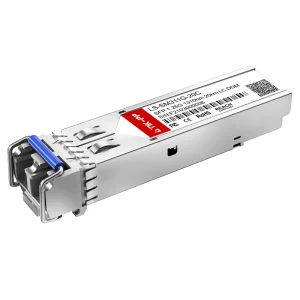
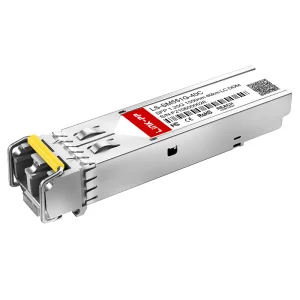
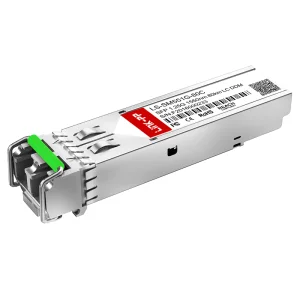
Other variants available in our standard export line: