Dynafiber
Dynafiber
Dynafiber
In the rapidly accelerating era of hyper-scale computing, 5G densification, and AI-driven data center architectures, the efficiency of physical layer networking is no longer a secondary consideration. Modern communication infrastructures demands high speed, absolute path redundancy, and modularity. At the epicenter of this physical orchestration lies the patch panel—the foundational component that ensures structured cabling integrity, allows seamless migration paths, and eliminates signal degradation.
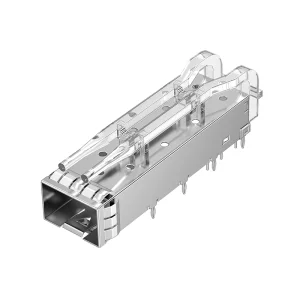
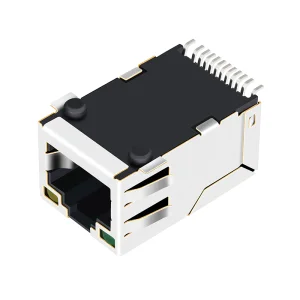
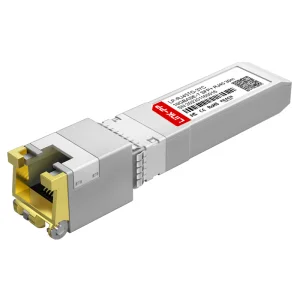
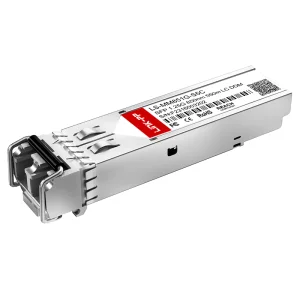
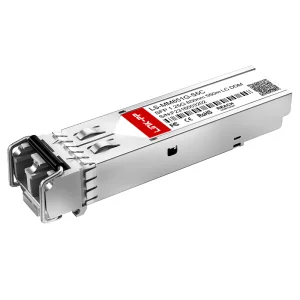
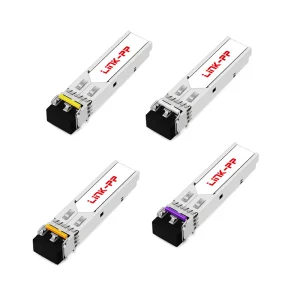
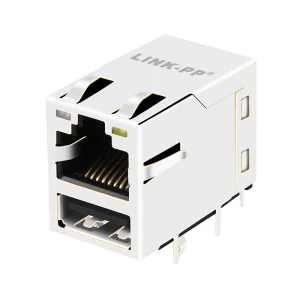
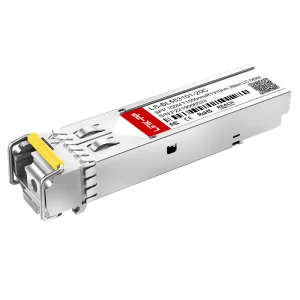
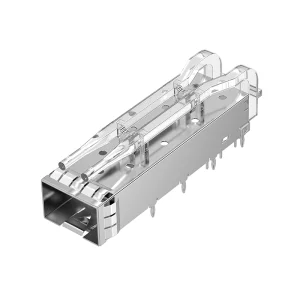
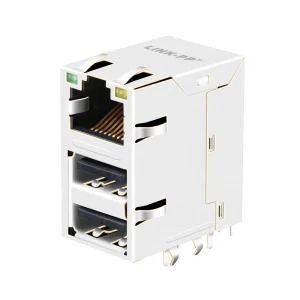
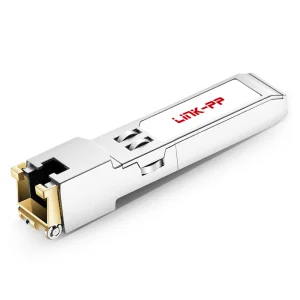
As a premier manufacturer of high-reliability networking solutions, Dynafiber Optical Technology Co., Ltd. spearheads the evolution of patch panel ecosystems and physical layer connectivity. Operating from our advanced manufacturing hubs in China, we synthesize years of design expertise with next-generation materials engineering to manufacture patch panels, fiber optical transceivers, RJ45 ports, and customized SFP cages that are deployed globally. Our solutions minimize near-end crosstalk (NEXT), enhance return loss thresholds, and provide robust durability to survive decades of routing changes in complex enterprise topologies.
"The physical connection remains the weakest link in high-frequency data transmission. High-density, precision-engineered patch panels are the critical safeguard of digital asset uptime."
Real estate optimization in modern server racks is critical. We are witnessing an accelerating migration from conventional 24-port 1U panels to 48-port, or even 72-port configurations. Furthermore, the rising integration of Zero-U vertical patch panels allows cable management to occupy vertical structural space alongside rack cabinets, preserving horizontal slots exclusively for active equipment such as SFP+ switches and enterprise routers.
Monolithic, single-standard copper-only or fiber-only panels are being phased out in favor of modular keystone design topologies. Modern systems use unloaded modular patch panels that accept customizable combinations of Cat6 RJ45 keystone jacks, Cat6A shielded couplers, LC/MPO fiber pass-through modules, and USB/HDMI terminations. This plug-and-play adaptability allows field network scaling without rewiring the complete structure.
"Smart patch panels" are transforming cloud-scale routing. By integrating sensor grids on connection ports, AIM systems automatically detect the insertion or removal of patch cables, transmitting status updates directly to IT management consoles. This ensures precise tracking of network configuration paths, minimizes structural errors, and shortens disaster recovery routines.
For engineering procurement officers (EPOs) and tier-one infrastructure integrators, purchasing patch panels and modular RJ45 connectors involves rigorous technological standards. A single connection point failure can cascade into data corruption or operational downtime.
When choosing patch panel suppliers, international enterprise buyers examine key criteria:
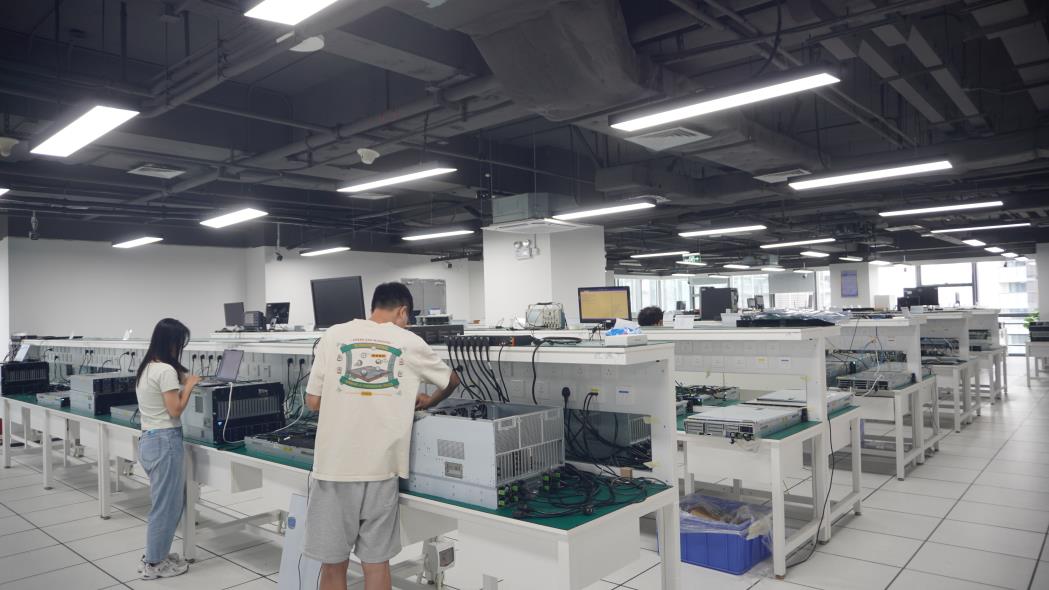
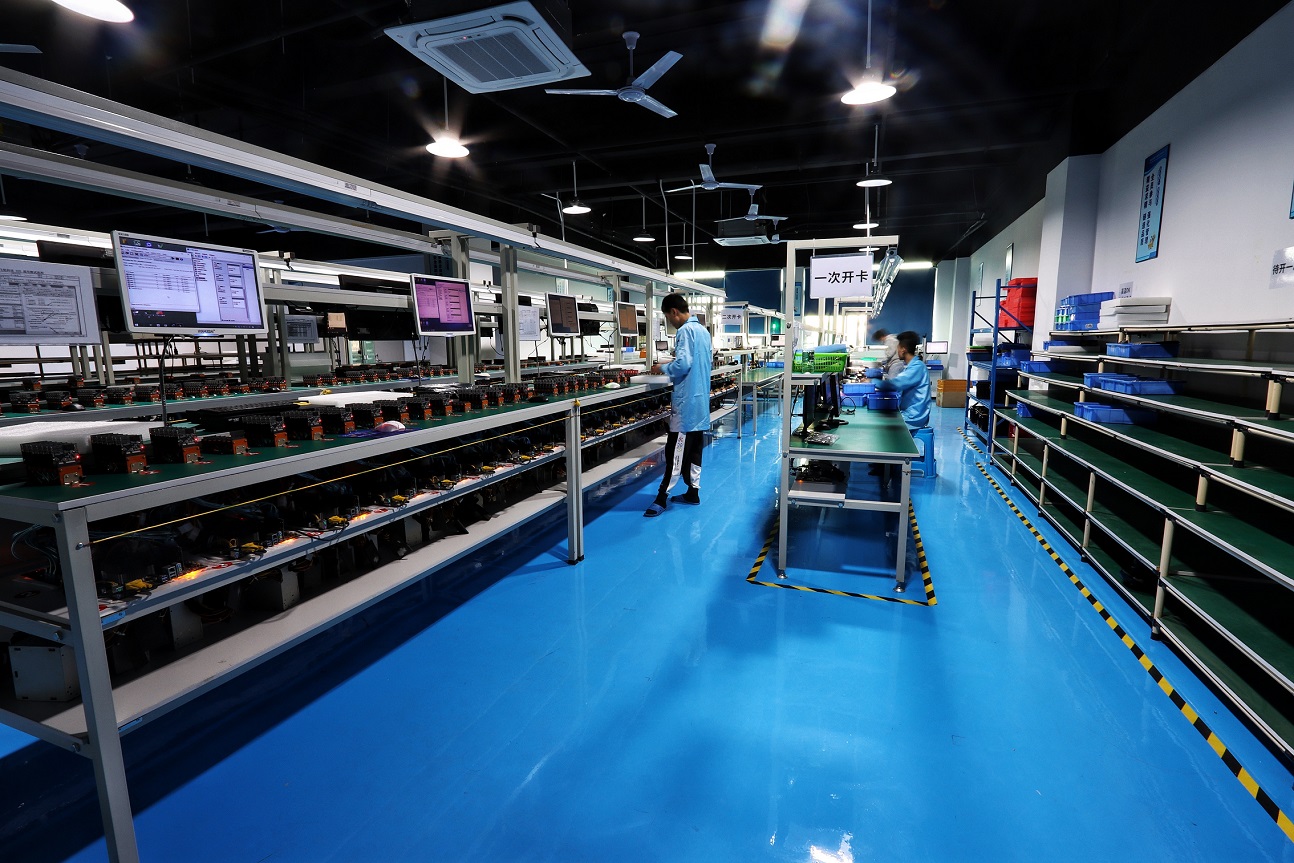
In the modern manufacturing landscape, Dynafiber’s 28,600㎡ facility represents a paradigm shift toward intelligent automation and production efficiency. Our factory incorporates IoT-driven assembly lines, real-time process monitoring, and strict environmental controls to guarantee quality consistency across high-volume production runs.
With over 12 years of industry manufacturing experience and 7 years of global export experience, Dynafiber has optimized every phase of production. We maintain deep strategic partnerships with over 1,200 supply chain partners. This extensive network secures supply paths for raw plastics, high-grade copper alloys, specialized optical glass, and semiconductors, neutralizing potential supply bottlenecks.
By implementing automatic laser welding systems, automated optical inspection (AOI), and precise high-speed punching presses, we minimize variation and guarantee precise tolerances. These advanced production methodologies deliver cost efficiencies that we pass directly to our global customers, offering premium-grade connectivity solutions at highly competitive rates.
| Patch Panel Type | Maximum Bandwidth | Shielding (UTP vs. STP) | Key Applications | Max Transmission Distance | Connector Form Factor |
|---|---|---|---|---|---|
| Category 5e Panel | 100 MHz | Primarily UTP | Legacy Enterprise Networks, VoIP | 100 Meters (at 1 Gbps) | RJ45 (8P8C) Keystone |
| Category 6 Panel | 250 MHz | UTP / STP Optional | Gigabit Lan Backbones, PoE Systems | 55 Meters (at 10 Gbps) | RJ45 (8P8C) Modular |
| Category 6A Panel | 500 MHz | Fully STP (Shielded) | 10G Ethernet Data Centers, Edge Server Rooms | 100 Meters (at 10 Gbps) | Shielded RJ45 Jack |
| Optical Fiber Panel | Varies (10G to 400G+) | Immune to EMI | High-Density Fiber Backbones, Cloud Data Centers | Up to 40 KM (SMF LC/SC) | LC, SC, MPO, MTP Adapters |
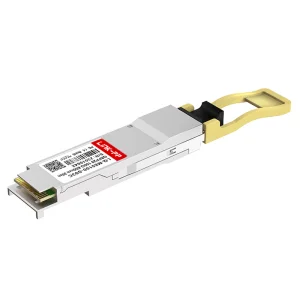
In data centers with thousands of active server links, our ultra-high density fiber distribution panels manage optical connections for transceiver modules such as 100G QSFP28 and SFP+ copper modules. Combined with clean routing, our patch panels optimize airflow and reduce thermal loads across equipment rows.
Industrial environments generate high levels of electromagnetic interference (EMI) from motors and power lines. Dynafiber’s fully shielded Cat6A modular panels and EMI-shielded SFP+ cages isolate communication lines, maintaining signal integrity and preventing transmission errors in automation networks.
For corporate local area networks (LANs) and edge micro-data centers, our patch panels provide reliable connection points that simplify network modifications. The color-coded keystone design allows local network administrators to easily trace paths and resolve connectivity issues.
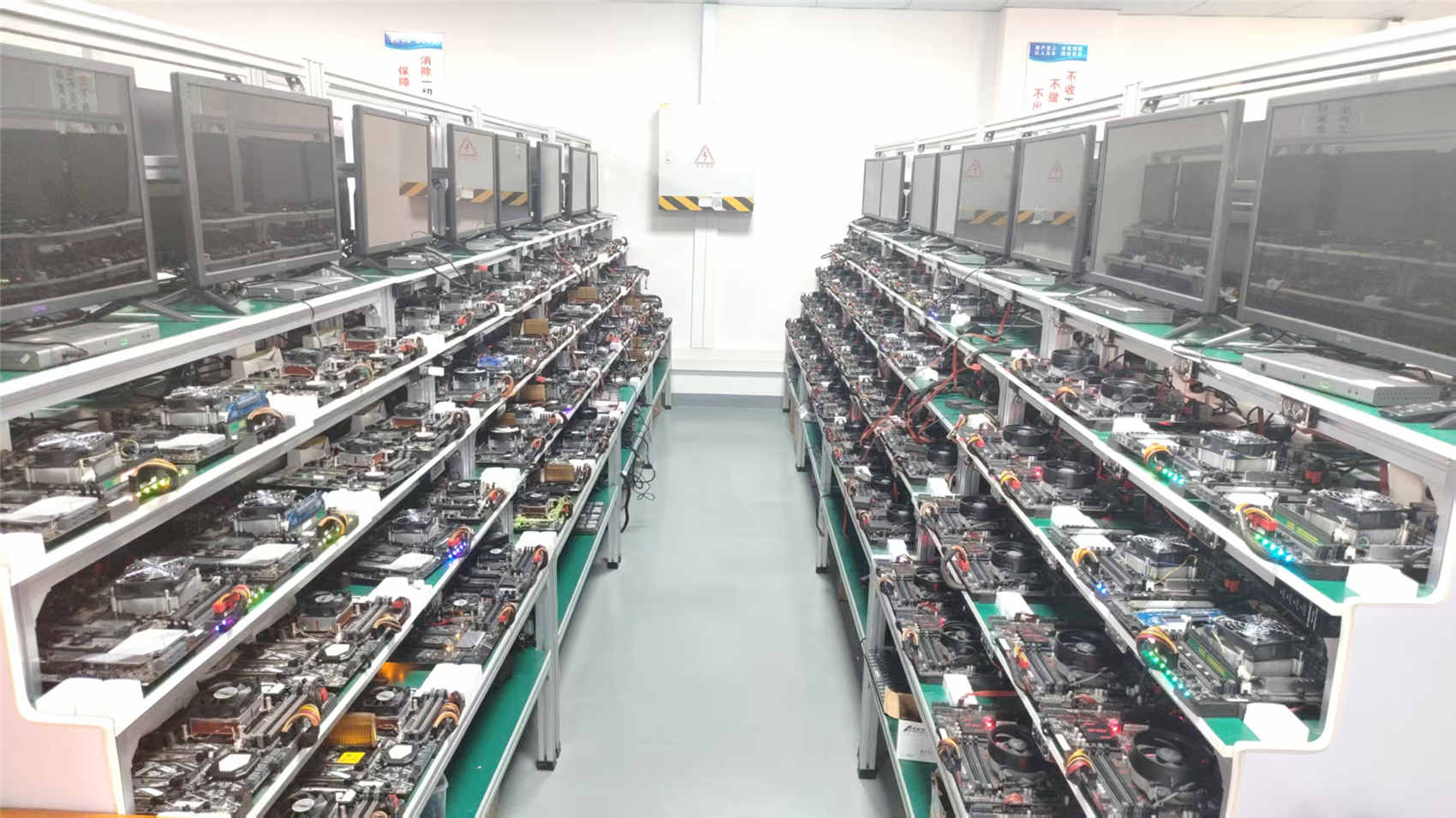
At Dynafiber, product reliability is managed through a comprehensive quality control system overseen by 65 engineers and quality inspectors. All materials and components undergo testing before, during, and after assembly to guarantee they meet performance specifications.
Our validation process includes several critical steps:
A patch panel is a passive hardware device that aggregates and organizes cable runs. It does not actively process, switch, or route data. A network switch is an active computing device that routes data packets between source and destination ports across the local area network.
Gold plating protects the copper contacts from oxidation and corrosion. 50 micro-inches of gold plating ensures long-term connection integrity, low electrical resistance, and durability over hundreds of insertion and removal cycles.
Yes, provided the patch panel is certified for high electrical current. Standard-compliant panels must support heat dissipation to handle PoE++ (up to 90W) without melting plastic components or causing spark damage at the contact points.
Unloaded panels offer flexibility by allowing you to populate ports as needed. You can mix Cat6, Cat6A, fiber, and coaxial couplers within the same physical panel, making it easy to adapt the system as connectivity needs change.
With 260 R&D engineers, we provide custom services that include firmware modifications, special structural footprints, labeling, and packaging. We work with clients to design connectors and optical transceiver interfaces that fit unique networking architectures.
Yes. Our R&D team tests our SFP, SFP+, and QSFP28 modules for firmware compatibility with major global networking brands. This ensures direct compatibility when replacing transceivers in multi-vendor enterprise environments.
Dynafiber Optical Technology Co., Ltd. combines advanced manufacturing technology with rigorous quality control. Our facility supports the design and high-volume production of optical network connectivity products for clients worldwide.