 Dynafiber
Dynafiber
Dynafiber
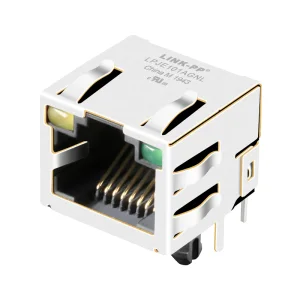 RJHSE-5381 RJHSE538X RJHSE5481 RJ45 Power Connector RJ 45 without Magnetics
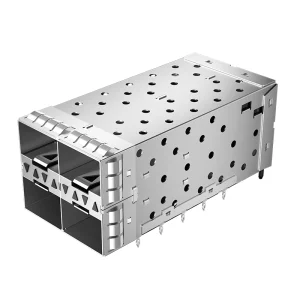 2007637-5 Right Angle Press-Fit Shielded Ganged 2x2 SFP+ Receptacle Cage
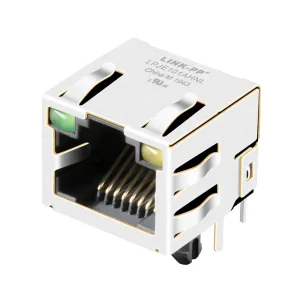 LPJE101AHNL Single Port Without Magnetics Through Hole MagJack Short RJ45 Connector
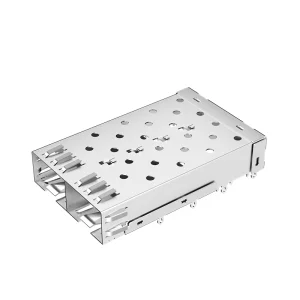 1888424-1 TE Compatible Through Hole EMI Shielded Housing 1x2 Ports Press-Fit SFP Cage Assembly
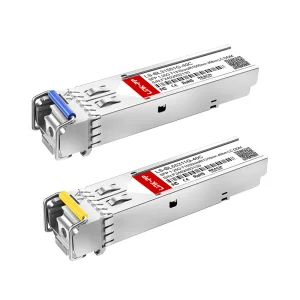 1G BiDi SFP Module 40km Bidirectional 1310nm/1550nm Simplex LC SMF Single Mode Optical Transceiver
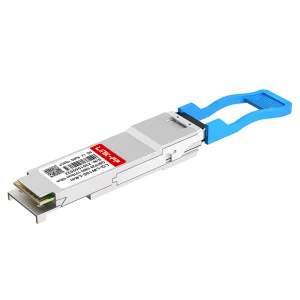 100GBASE-LR4 Duplex LC SMF Optical Transceiver Module Single Mode 1310nm 100G QSFP28 10km
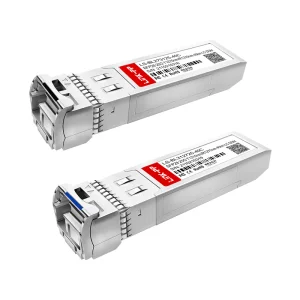 1270nm/1310nm Bidirectional Single Fiber 25G BiDi SFP28 40km Simplex LC SMF Optical Transceiver Module
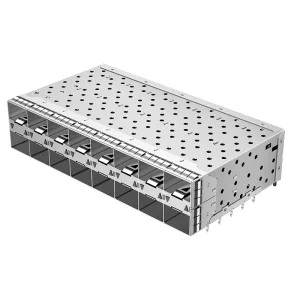 2274867-6 TE Compatible Through Hole 320P Press-Fit 2x8 EMI Shielded SFP+ Cage With Light Pipe
In the rapidly advancing landscape of telecommunications, Ethernet Prototyping Boards serve as the foundational bedrock for testing next-generation network infrastructures. As high-speed data centers migrate from 100G to 400G and 800G architectures, the demand for precision-engineered components—ranging from SFP+ cages to magnetic RJ45 connectors—has reached an all-time high. China has emerged as the primary global hub for these critical components, providing the necessary balance of high-volume manufacturing and cutting-edge R&D.
Today's industrial ecosystem is no longer satisfied with standard connectivity. The rise of Industry 4.0, autonomous vehicles, and Edge AI requires hardware that can withstand extreme environmental stress while maintaining signal integrity. Ethernet prototyping boards are the first step in validating these designs. Engineers worldwide rely on Chinese suppliers for "Press-Fit" shielded cages and "BiDi" (Bidirectional) SFP modules because they offer a standardized yet flexible interface for diverse testing environments. The global market is currently witnessing a CAGR of over 12% in the high-speed optical module sector, driven largely by the expansion of hyperscale data centers in North America and Europe.
Established in 2016, Dynafiber Optical Technology Co., Ltd. has spent over 12 years perfecting the art of optical communication. Our expertise isn't just in assembly; it's in the deep understanding of optical performance, signal integrity, and environmental reliability. With a professional quality control team of 65 engineers, we implement rigorous AOI inspections, BER testing, and environmental stress tests to ensure that every SFP module and RJ45 connector we export meets or exceeds international standards.
Our 260+ R&D engineers focus on "Information Gain" for our clients—providing not just a product, but a solution that optimizes thermal management and optimizes signal-to-noise ratios. Whether you are a system integrator in the EU or a data center operator in North America, our products are designed with your specific compliance and performance needs in mind.
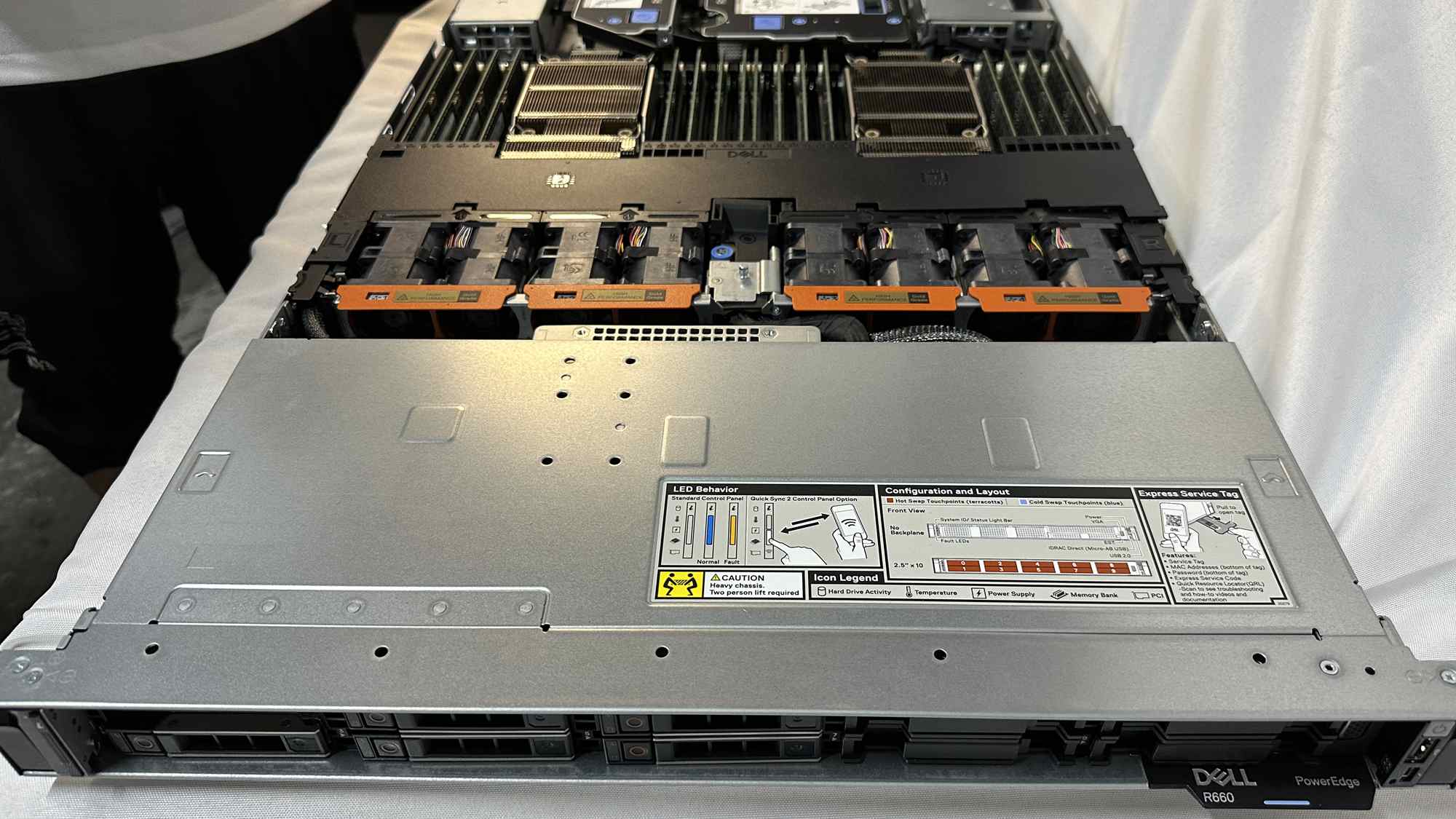
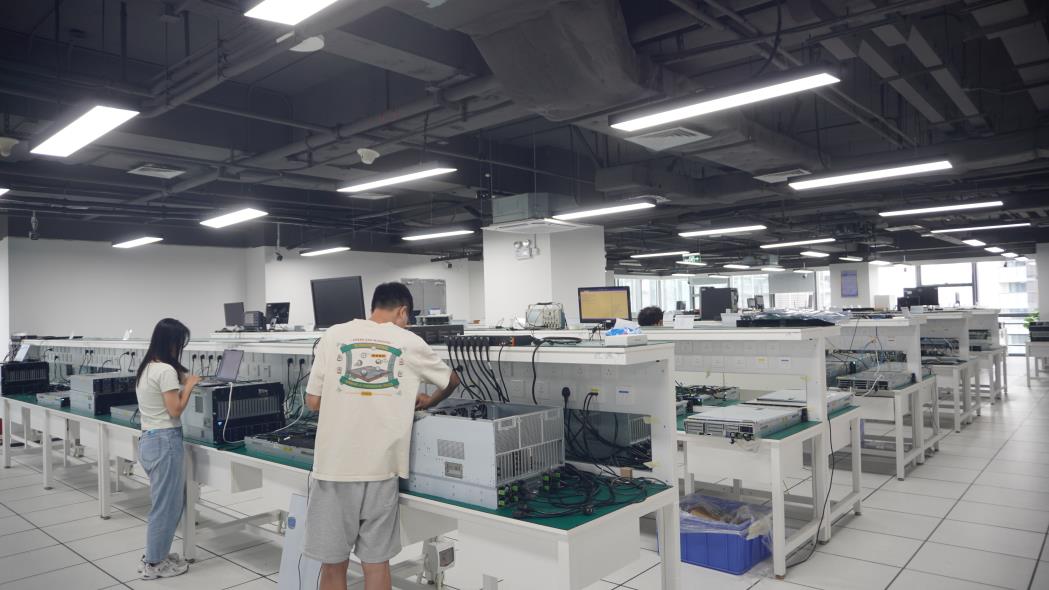

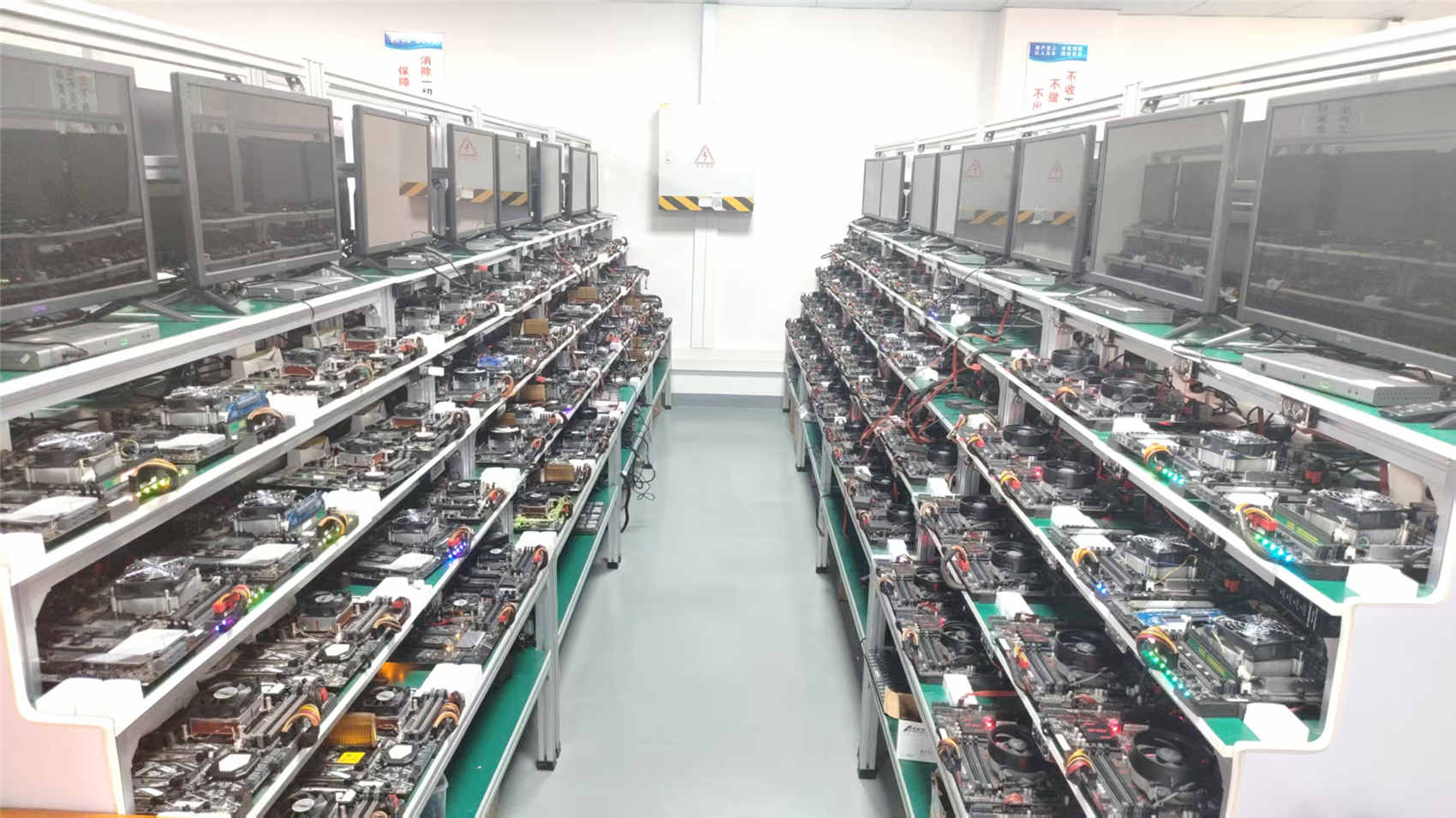
We provide more than components; we provide the building blocks for global connectivity solutions:
The next five years will see a transition from traditional pluggable optics to Co-Packaged Optics (CPO). However, the Ethernet Prototyping Board will remain essential for testing the bridge between copper (RJ45) and fiber (SFP/QSFP). We are currently developing transceivers that support even higher temperature ranges for automotive Ethernet and space-constrained aerospace applications. Our roadmap includes the integration of AI-driven diagnostic firmware within our optical modules to provide real-time health monitoring of the fiber link.
Vertical 10/100BASE-T POE RJ45 Female Connector Modular Jack 1840469-4
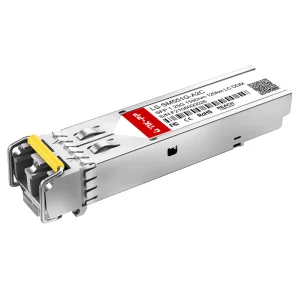 1000BASE-EZX SFP Transceiver 1550nm 120km DOM Duplex LC SMF Fiber Optical Module
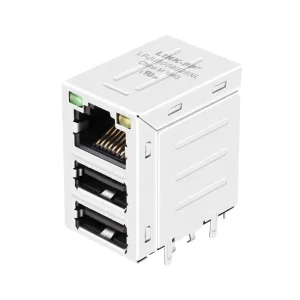 45F-10101DYD2NL JW0-0009NL C893-1AX1-E1 Magnetic RJ45 Connector Jack With Dual USB
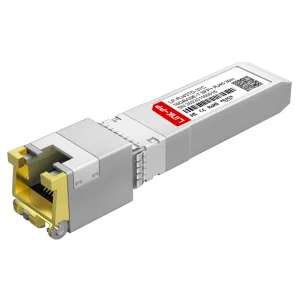 10GBASE-T SFP+ Ethernet Module Copper RJ-45 30m Fiber Optical Transceiver
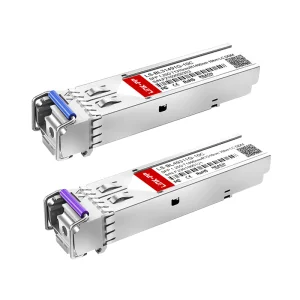 Single Mode SMF Bidirectional Optical Transceiver 1310nm/1490nm Simplex LC 1G BiDi SFP Module 10km
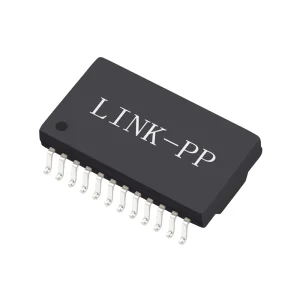 IEEE 802.3 1000BASE-T LAN Magnetic Transformer HST-24002SAR / HST-24002SXAR
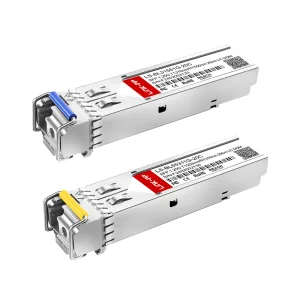 1310nm-TX/1550nm-RX Simplex LC Bidirectional Fiber Optic Transceivers Module Single Mode 1G Bidi SFP 20km
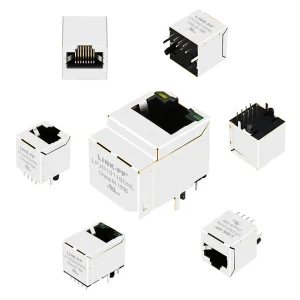 Cat5 Cat5e 8 Pin Led Connector RJ45 Magjack Network Connector Female PCB Connector RJ45 Modular Jack
While both share the same form factor, SFP+ supports data rates up to 10 Gbps, whereas standard SFP is typically limited to 1 Gbps. For future-proof prototyping boards, we recommend using SFP+ cages as they are backward compatible with standard SFP modules.
Press-Fit technology allows for a reliable mechanical and electrical connection without the thermal stress of soldering, which is crucial for maintaining signal integrity in high-speed 10G and 25G applications. It also simplifies PCB repair and replacement.
We maintain an extensive library of host switches from major brands (Cisco, Juniper, Arista, etc.). Every module undergoes a compatibility verification test in our lab to ensure seamless plug-and-play performance.
Integrated magnetics (MagJacks) provide signal conditioning, EMI suppression, and electrical isolation between the PHY chip and the network cable. This is essential for protecting sensitive prototyping boards from external electrical surges.
