Dynafiber
Dynafiber
Dynafiber
Explore our premium range of industrial-grade network components, engineered to meet precise electrical specifications and mechanical durability standards.
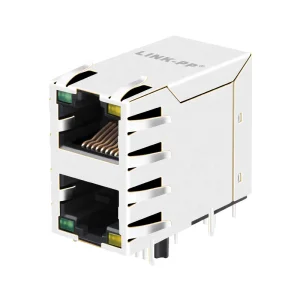
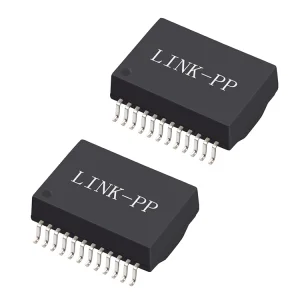
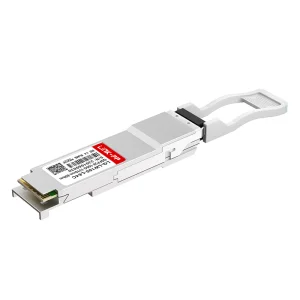
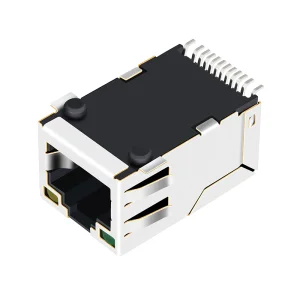
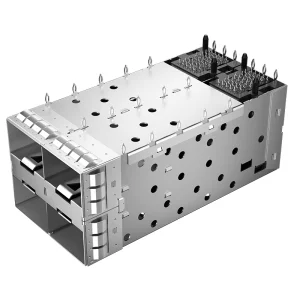
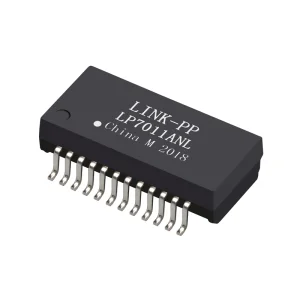
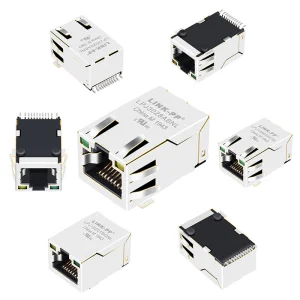
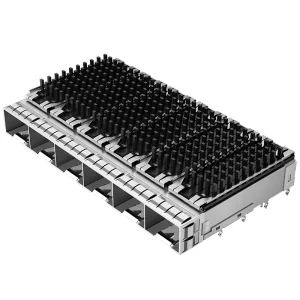
In high-performance industrial networking, the integrity of the physical connection layer dictates the reliability of the entire system. Standard commercial RJ45 interfaces often fail under thermal fluctuations, electromagnetic interference (EMI), mechanical shocks, and ingress of dust or fluids. Engineering a rugged RJ45 Ethernet solution demands careful materials science, mechanical design, and electromagnetic shielding configuration.
To maintain data throughput at Gigabit speeds (1000BASE-T) and beyond (2.5G/5G/10G Base-T) in severe operational environments, rugged connectors must prevent impedance variations caused by physical movement. Traditional housings deform under vibration, inducing contact displacement and micro-interruptions that result in packet losses and physical layer link-flapping.
By utilizing high-grade thermoplastic compounds or metal-shielded alloys, robust connectors maintain precise contact geometry. Solid gold plating (typically 50 micro-inches over nickel) on phosphorus-bronze pins ensures minimal insertion resistance and prevents oxidation over thousands of mating cycles. The physical retention force is bolstered by integrated mechanical locks and metallic shells, capable of resisting pull-out forces exceeding 150 Newtons.
Industrial sites are saturated with high-frequency electromagnetic noise from variable-frequency drives, heavy motors, and high-voltage power lines. Standard unshielded connectors behave like miniature antennas, picking up radiated common-mode noise.
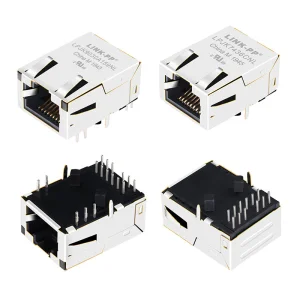
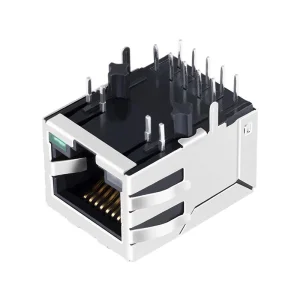
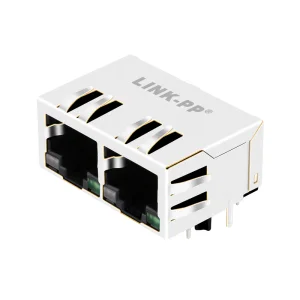
Our integrated magnetic RJ45 connectors solve this via built-in common-mode chokes, isolation transformers, and 360-degree copper-alloy shielding wraps. The integrated transformer isolates the transceiver PHY silicon from high transient voltages, static discharges (ESD protection up to 15kV), and stray currents. This magnetic suppression ensures minimal Near-End Crosstalk (NEXT) and Far-End Crosstalk (FEXT), meeting IEEE standards for noise margins and signal-to-noise ratios (SNR) even along extended runs.
Power over Ethernet (PoE/PoE++) routes DC electrical power along with signal pairs. In a confined, rugged connector, higher currents (up to 960mA per pair under 802.3bt Type 4) raise temperatures due to resistive heating. If heat dissipation is insufficient, dielectric degradation and signal decay occur.
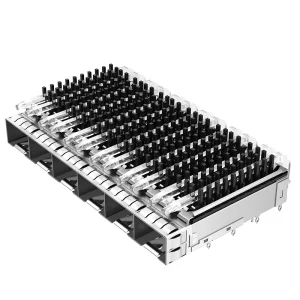
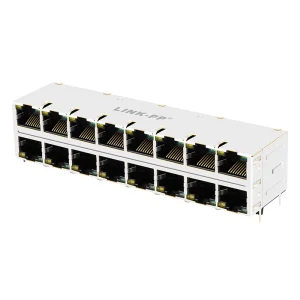
To combat this, Dynafiber designs its RJ45 interfaces with optimized trace thicknesses, high-temp glass-reinforced nylon materials, and dedicated thermal dissipation channels. SFP+ cages and multi-port arrays (such as 1x6 and 2x2 press-fit configurations) incorporate integrated heatsinks and ventilation holes, preventing thermal bottlenecks within the chassis.
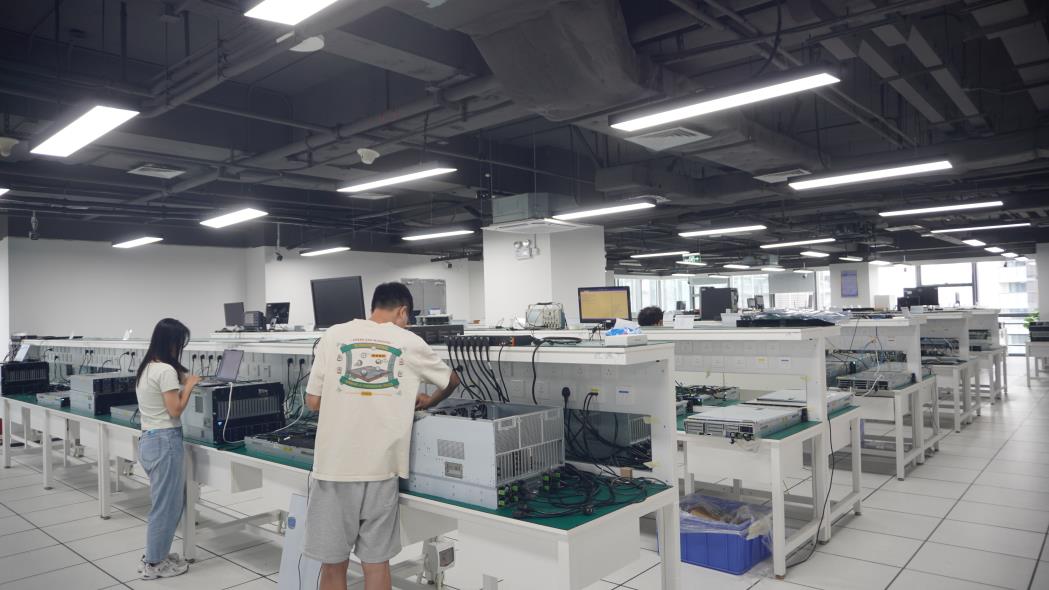
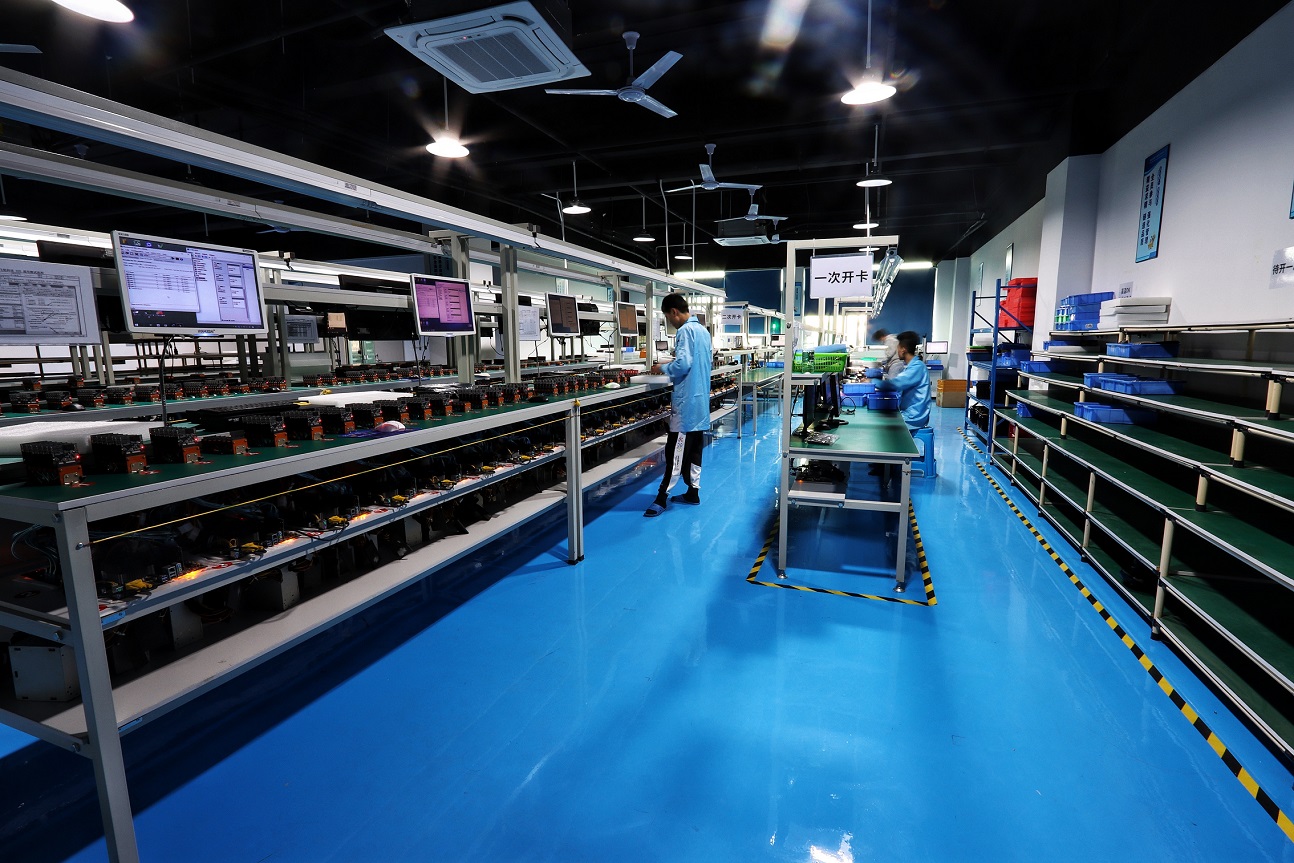
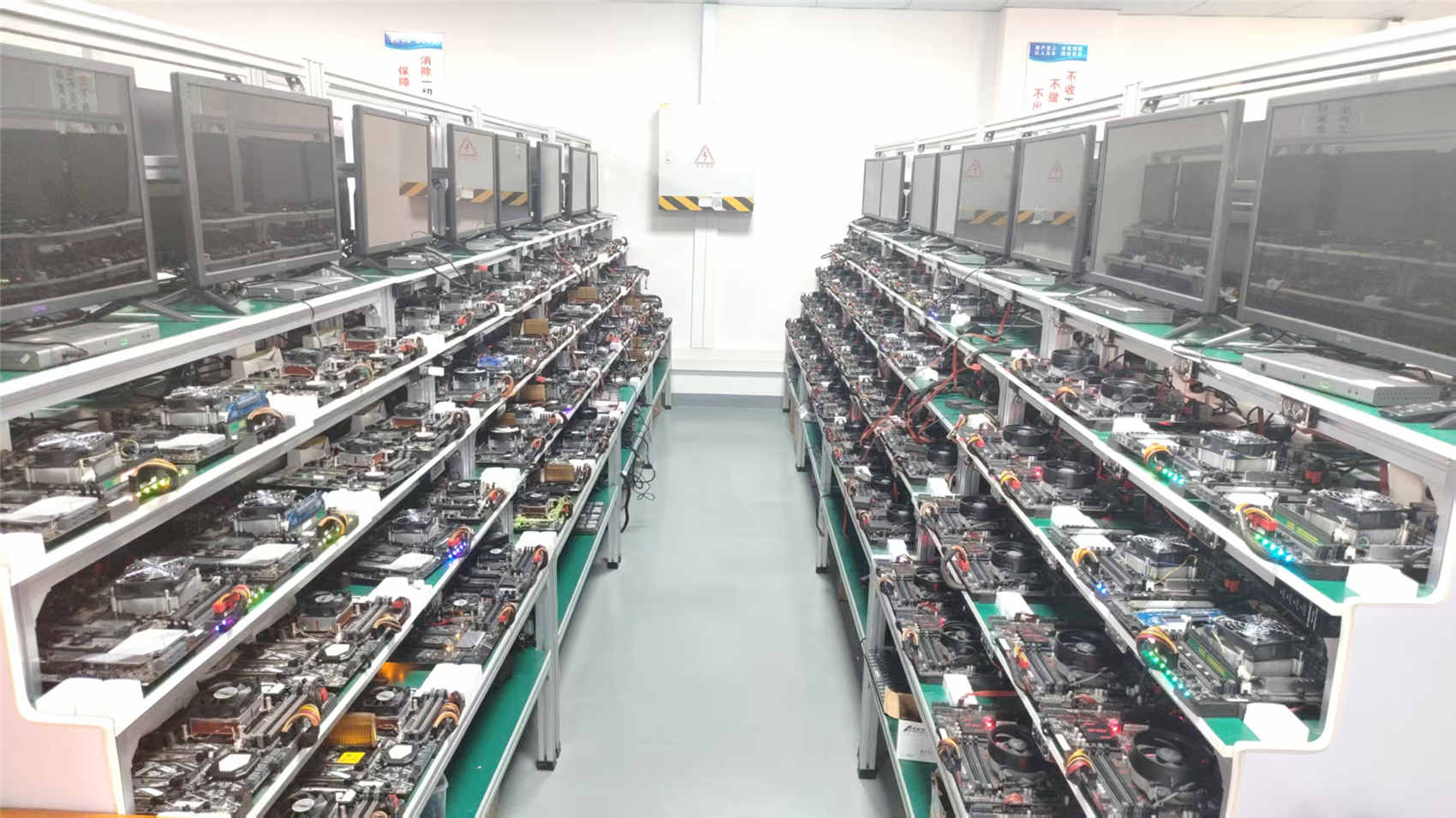
Inside Dynafiber’s 28,600㎡ modern manufacturing infrastructure, where precision engineering meets high-volume capacity.
Dynafiber Optical Technology Co., Ltd. blends scalable, high-volume production with tight laboratory-grade quality controls. With over 12 years of industry experience and 7 years of global export capabilities, we operate as a key manufacturing partner for global telecom providers, enterprise datacenters, and industrial system integrators. Our annual export volume of USD 18.6 million highlights our global reach.
Quality assurance is sustained by a dedicated team of 65 engineers and quality inspectors. Each connector, transceiver module, and SFP+ cage assembly undergoes a rigid battery of quality evaluations:
High-resolution Automated Optical Inspection (AOI) identifies solder joint variations, component shifts, and mechanical misalignments at the micron level.
Components endure temperature cycling tests (-40°C to +85°C) and aging chambers to verify lifetime reliability in harsh settings.
Bit Error Rate (BER) analysis, optical power measurements, and waveform testing verify optical-to-electrical signal conversion integrity.
Supported by a supply chain grid of over 1,200 partners, Dynafiber secures priority allocations of critical raw materials. Our 260 R&D engineers continuously adapt designs to support customizable mechanical profiles, pin assignments, packaging options, and software integrations.
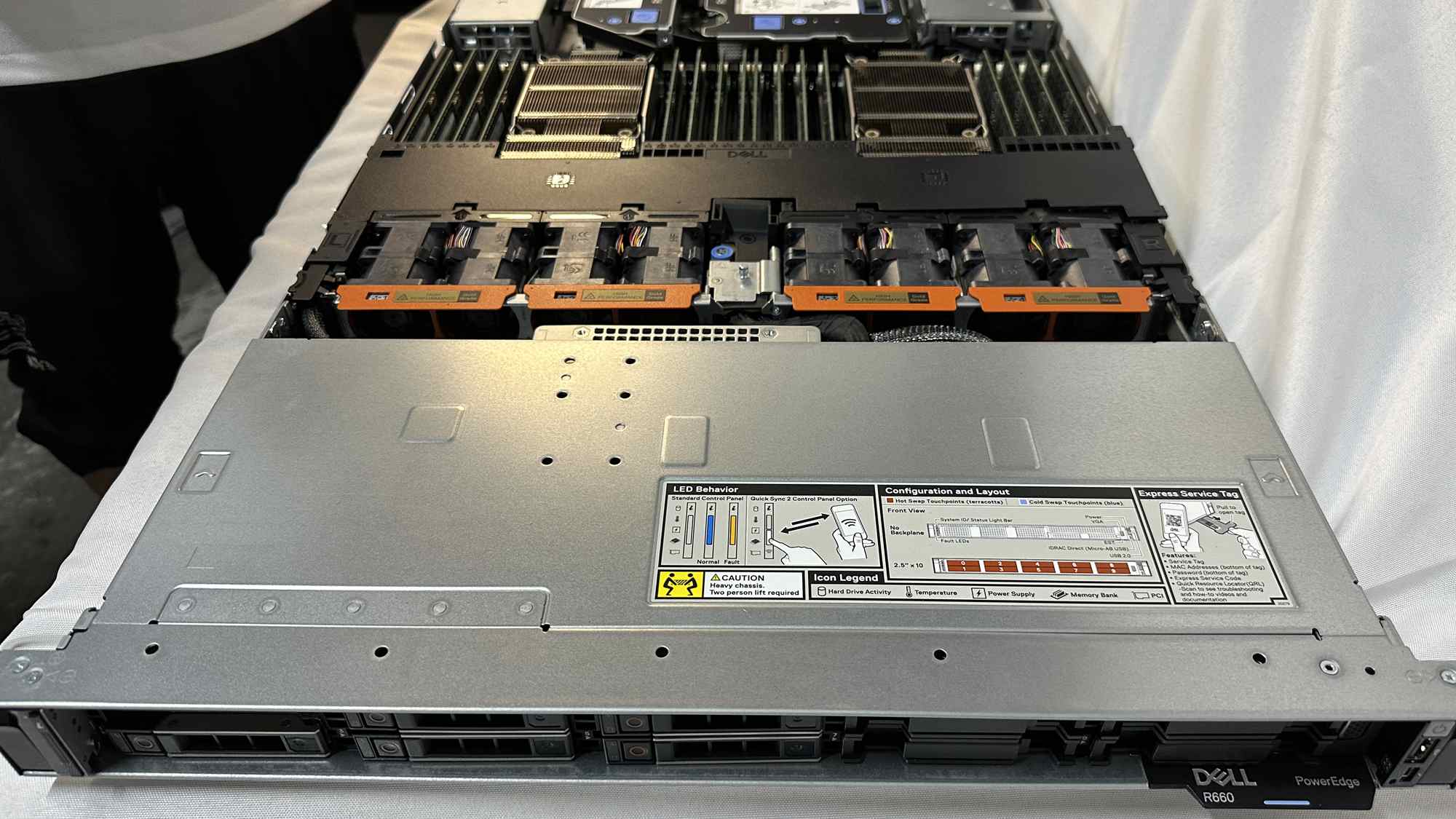

How Dynafiber components form the backbone of next-generation infrastructure across multiple vertical markets.
In automated assembly lines, robot arms require continuous power and data connections under extreme vibrations. Our rugged RJ45 connectors with integrated magnetics prevent packet dropouts, while high SMT retention pins secure the PCB connector jack against heavy mechanical stress.
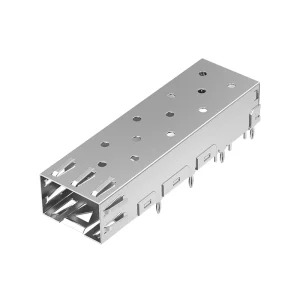
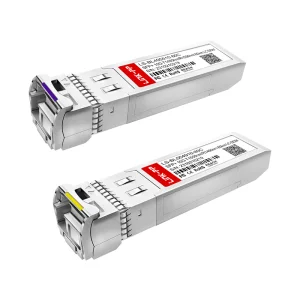
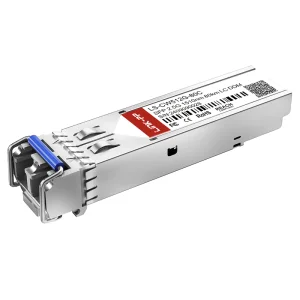
Our optical transceivers (ranging from 10G SFP+ BiDi up to 100G QSFP28 modules) operate in carrier networks over spans up to 80km. Complemented by TE replacement press-fit SFP cages, we help operators scale fiber infrastructure efficiently.
Modern hyperscale facilities require dense layouts with minimal thermal buildup. Using multi-port SFP+ cages with integrated heatsinks, our components improve airflow, contain EMI noise, and support dense optical transceivers.
As edge compute nodes proliferate and throughput demands escalate, the boundaries between electrical copper interfaces and optical backplanes are blurring. The industry's push toward Single Pair Ethernet (SPE / 802.3cg) and multi-gigabit copper connectivity requires miniaturized, highly isolated RJ45 magnetic modules.
Dynafiber's R&D path focuses on two core tracks:
By aligning our design roadmap with these emerging standards, we ensure that our global partners can confidently design platforms with a decade-long operational life.
Ensuring compliance, documentation, and technical support across major international markets.
Our entire line of connectors, optical transceivers, and SFP+ housings complies with RoHS, REACH, and WEEE directives, ensuring smooth customs clearance and regulatory alignment in North America and the European Union.
To guarantee transceiver compatibility across various host platforms (Cisco, Juniper, Arista, etc.), our engineers compile and test custom EEPROM/MSA-compliant code at the factory.
Whether you require customized packaging, custom pinning configurations, or TE/Tyco replacement housing form factors, our R&D facility can provide full tooling and production design services.
Find technical answers about physical-layer performance, mechanical configuration, and sourcing variables.
Explore our shielding solutions, optical-to-electrical interfaces, and cage setups designed for dense configurations.