Dynafiber
Dynafiber
Dynafiber
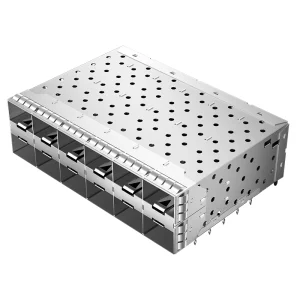
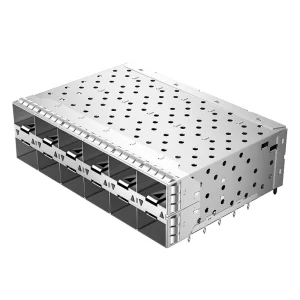
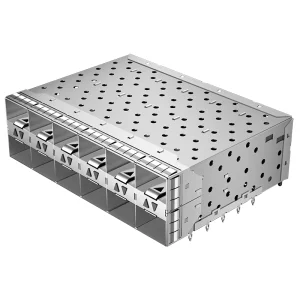
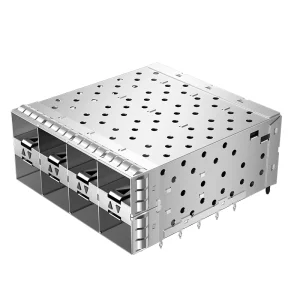
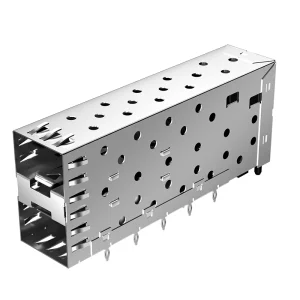
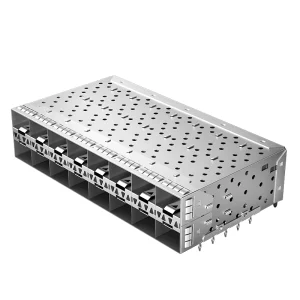
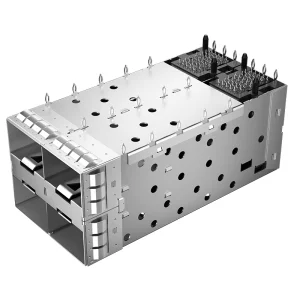
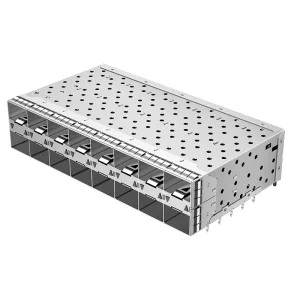
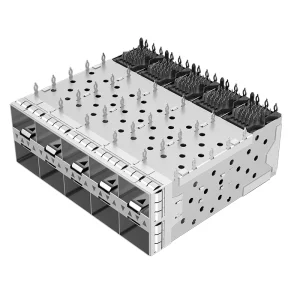
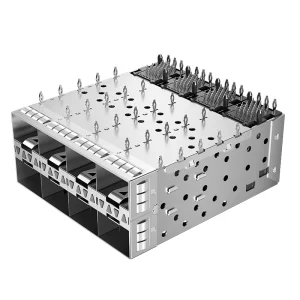
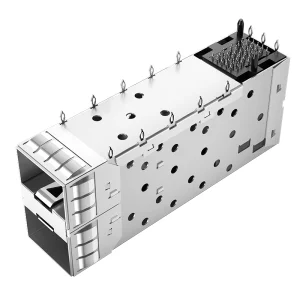
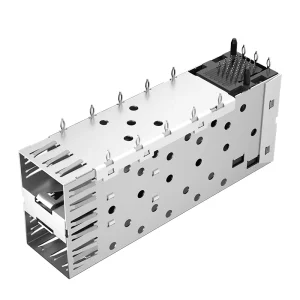
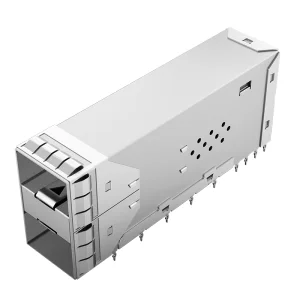
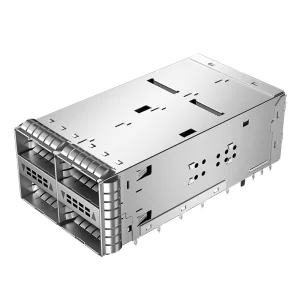
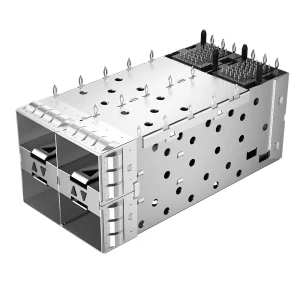
In the era of 5G, AI, and Big Data, the demand for bandwidth is exploding. The SFP cage 2xN (Stacked Ports) architecture has emerged as the critical backbone for high-density networking hardware. By vertically stacking ports, engineers can double the port density on a standard 1U rack unit, optimizing the precious real estate of modern data centers.
Stacked configurations present unique challenges in signal integrity (SI) and electromagnetic interference (EMI). Our 2xN cages utilize advanced EMI springs and gasket technologies to ensure that high-speed signals—up to 28Gbps per channel—remain uncorrupted even in the most densely packed environments. High-performance alloys provide the necessary shielding to meet stringent global standards.
Heat is the enemy of optical performance. Stacked cages often suffer from "heat trapping" in the lower row. Our designs incorporate integrated heat sinks and optimized airflow paths, ensuring that both the top and bottom transceiver modules operate within their optimal temperature range, extending the lifespan of the equipment and maintaining consistent data rates.
The global market for SFP cage 2xN stacked ports is currently driven by the massive migration toward cloud computing and the deployment of Edge Computing nodes. As major telecommunication providers in North America and Europe transition from 10G to 100G and 400G infrastructures, the 2xN cage becomes an essential component for high-speed switches, routers, and Network Interface Cards (NICs).
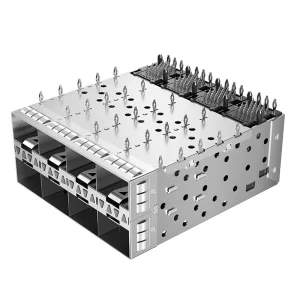
Our role as a leading supplier and exporter involves not just manufacturing, but ensuring that these components adhere to the Multi-Source Agreement (MSA) standards. This guarantees cross-vendor compatibility, allowing our cages to support transceivers from Cisco, Juniper, Arista, and others. The industrial shift toward "Open Networking" further emphasizes the need for reliable, standardized hardware like our Press-Fit SFP+ and ZSFP+ cages.
Furthermore, the Information Gain we provide lies in our specific focus on material science. By utilizing phosphor bronze with selective gold plating on the contact areas and nickel underplating, we achieve superior conductivity and durability, rated for over 100 mating cycles. This is particularly crucial in testing environments and dynamic data centers where hardware configurations change frequently.
Dynafiber's commitment to the E-E-A-T principle is reflected in our 12 years of industry experience. Our manufacturing process includes automated optical performance testing and environmental stress testing, ensuring that our products can withstand the rigorous demands of industrial automation and aerospace applications where vibration and temperature fluctuations are common.
We provide localized technical support across North America, Southeast Asia, and Europe. Our engineering teams are fluent in international regulatory requirements, ensuring that every export meets the specific safety and environmental codes of the destination country, including RoHS and REACH compliance.
Quality is non-negotiable. Our 65-member QC team operates under ISO 9001:2015 frameworks. Products undergo AOI inspection, BER testing, and reliability evaluations. We provide full traceability for every batch, a critical requirement for enterprise-grade deployments and government contracts.
Understanding that "one size does not fit all," we offer flexible customization. Whether it's a specific light pipe configuration, custom EMI shielding gaskets, or unique PCB mounting pins, our 260+ R&D engineers work directly with system integrators to develop bespoke solutions.
The next frontier in interconnect technology is the integration of 112G and 224G SerDes lanes. Our current 2xN ZSFP+ designs are already being optimized for SFP-DD (Double Density) protocols, which will double the bandwidth again while maintaining backwards compatibility. We are investing heavily in "Liquid Cooling Compatible" cage designs to support the massive heat generated by future AI-optimized optical modules.
As 6G research begins, the role of the physical cage will evolve from a simple housing to a critical component of the signal path, requiring even tighter tolerances and lower insertion losses. Dynafiber is at the forefront of this evolution, participating in global standards bodies to define the next generation of high-density connectors.
A: The primary benefit is port density. A 2x6 stacked cage allows for 12 ports in the same horizontal space as a 1x6 cage, effectively doubling the capacity of switches and routers in high-density data centers.
A: Yes, our cages are designed according to SFF-8431 and SFF-8432 standards, ensuring full compatibility with all MSA-compliant SFP, SFP+, and SFP28 transceivers.
A: Our 2xN cages feature optimized ventilation holes and can be equipped with custom heat sinks. We also recommend specific PCB layouts to enhance passive cooling through the ground planes.
A: Press-Fit refers to the mounting style where the cage pins are mechanically pressed into the PCB holes, creating a solderless, high-reliability connection that is easier to repair and more environmentally friendly than traditional soldering.
A: Absolutely. Every product line undergoes rigorous EMI testing in our internal labs, and we can provide detailed reports demonstrating compliance with FCC and CE electromagnetic emission standards.
Dynafiber Optical Technology Co., Ltd. was established in 2016, specializing in the research, development, manufacturing, and global supply of high-performance optical transceiver modules and fiber optic communication solutions. With a modern production facility covering 28,600㎡, Dynafiber has developed strong capabilities in optical communication technologies, supporting customers worldwide with reliable, scalable, and customized networking products.
The company achieves an annual export revenue of approximately USD 18.6 million, with 7 years of export experience and 12 years of industry experience in optical communication manufacturing. Dynafiber serves global telecom operators, data center providers, system integrators, and enterprise networking companies with advanced optical solutions designed for high-speed connectivity.

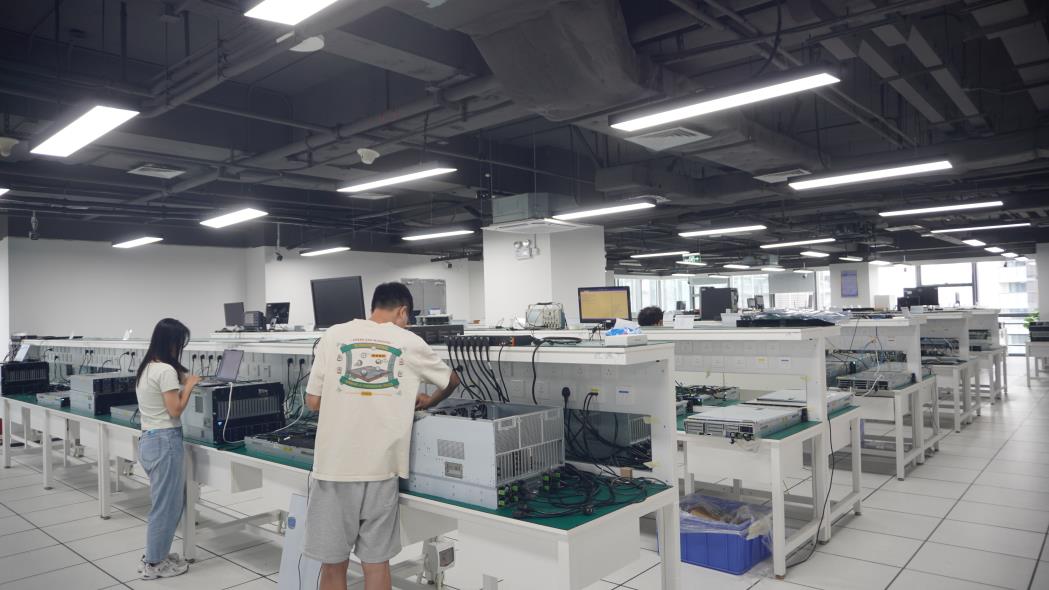
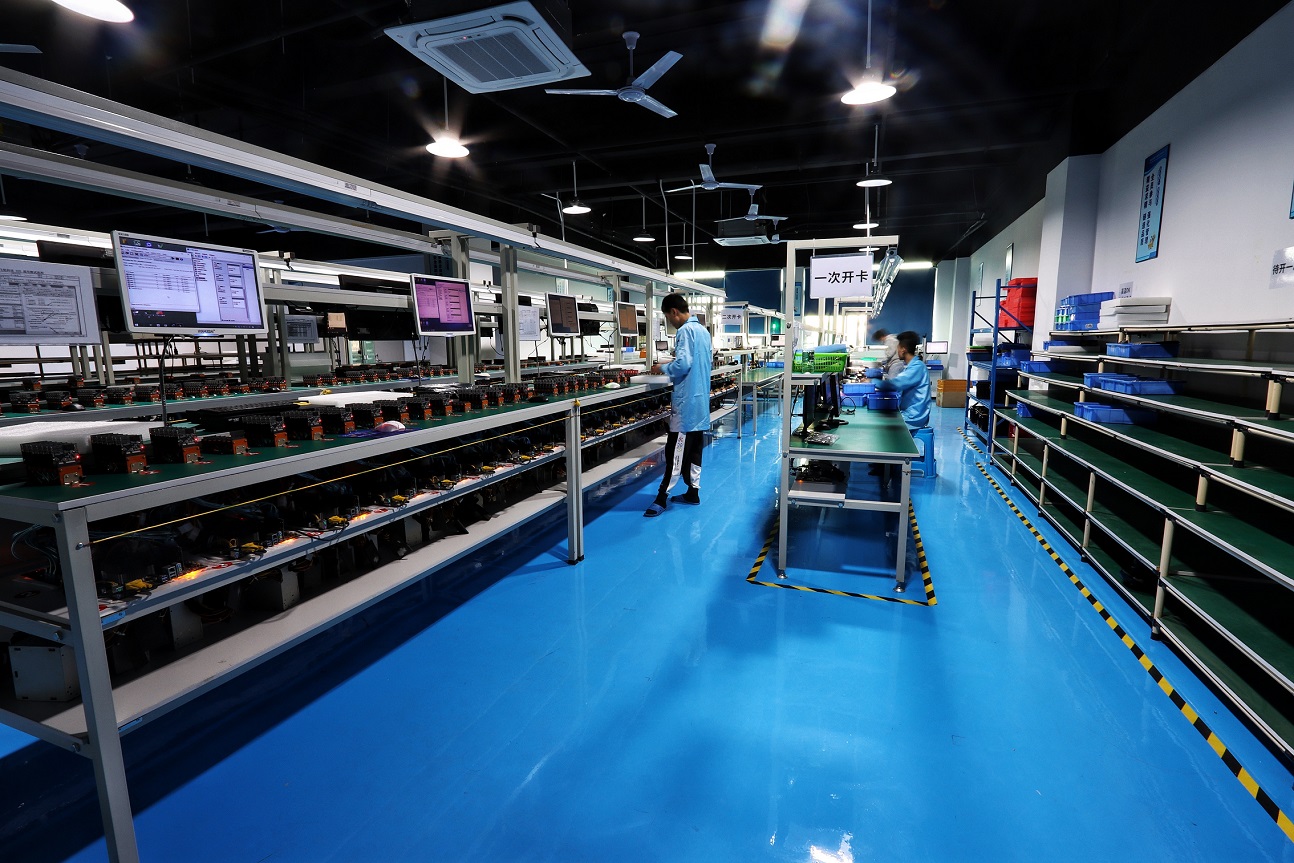
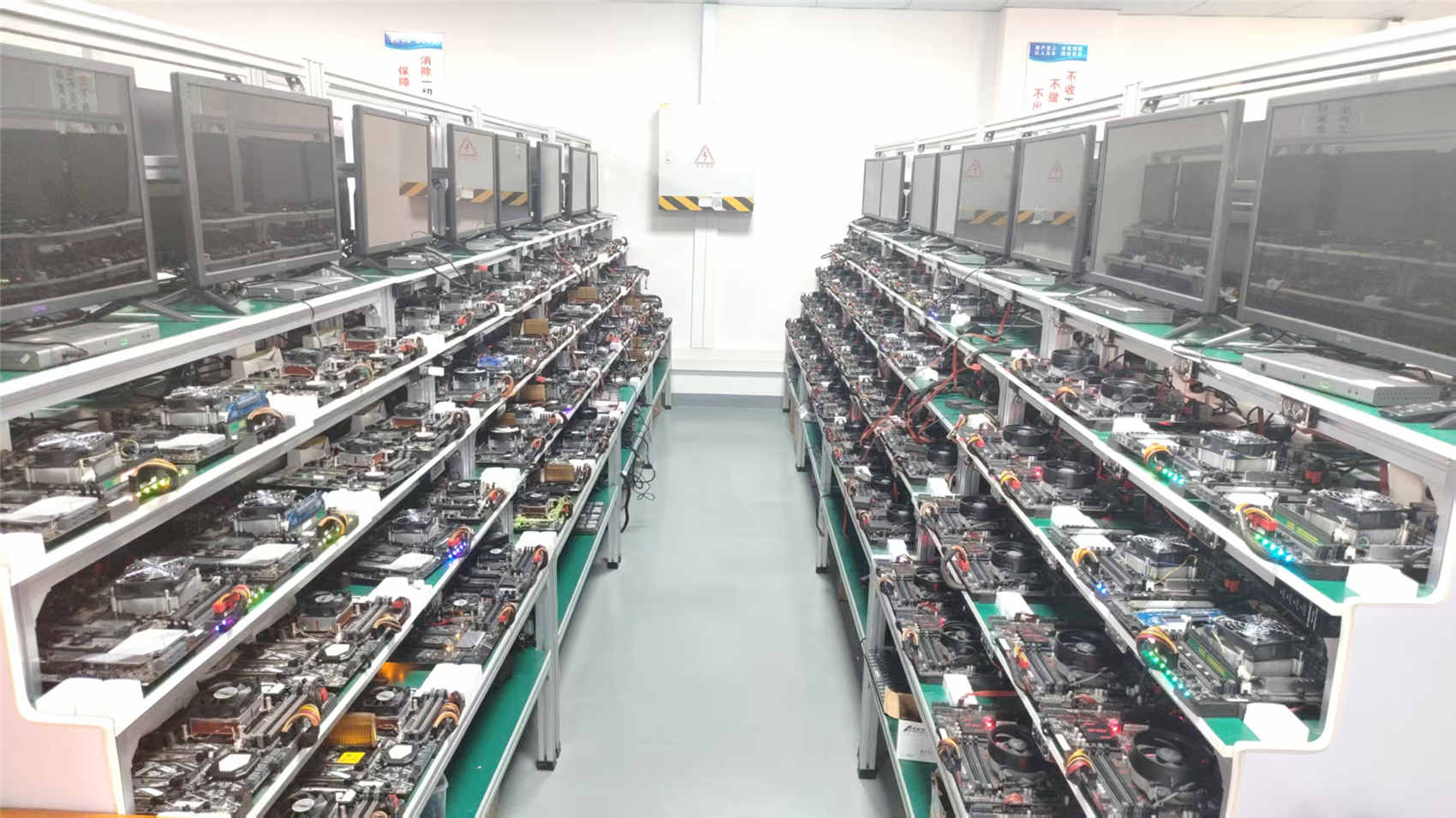

Dynafiber maintains strict quality control systems throughout the entire manufacturing process. Quality inspection includes automated optical performance testing, temperature cycling tests, compatibility verification, aging tests, and reliability evaluation. The company implements advanced product inspection methods such as AOI inspection, BER testing, optical power measurement, wavelength analysis, and environmental stress testing. A professional quality control team of 65 engineers and inspectors ensures that every product meets international quality standards.
Our professional engineering team of 260 R&D engineers focuses on optical module design, signal integrity optimization, thermal management, and next-generation communication technologies. In the past year, Dynafiber launched 180 new products, covering advanced optical transceiver categories such as SFP, SFP+, QSFP, QSFP28, QSFP-DD, DAC, AOC, and high-speed data center optical solutions.