Dynafiber
Dynafiber
Dynafiber
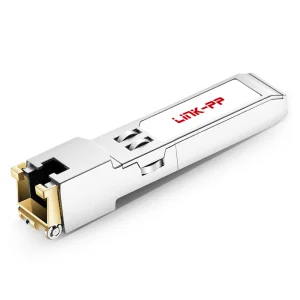
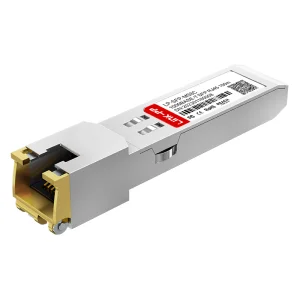
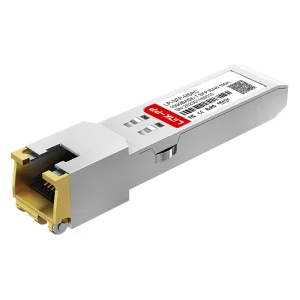
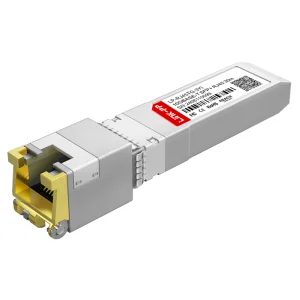
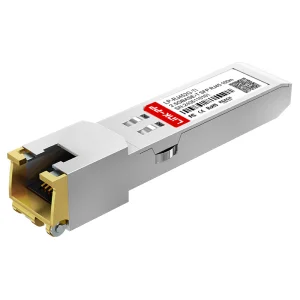
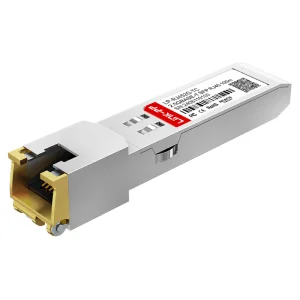
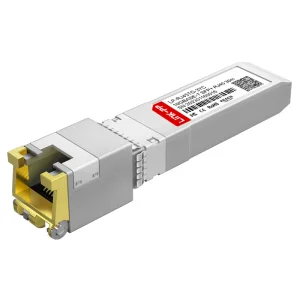
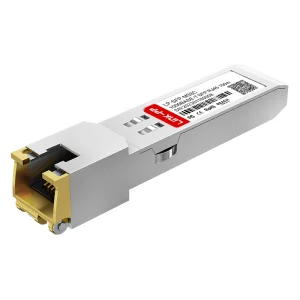
Explore our leading 10GBASE-T, 1000BASE-T, and multi-rate RJ45 transceiver modules designed for absolute compatibility and reliability.
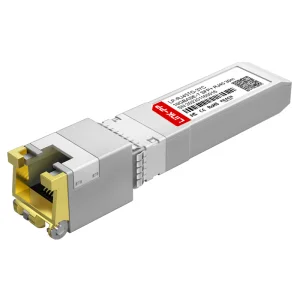
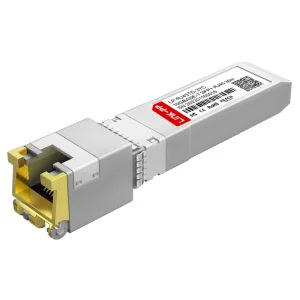
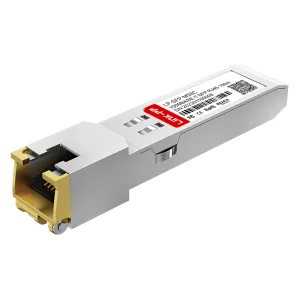
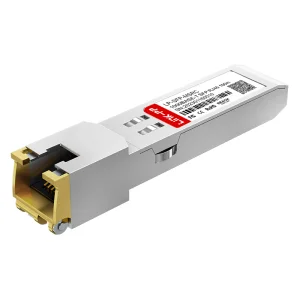
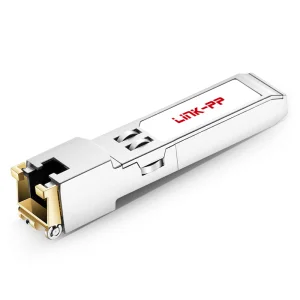
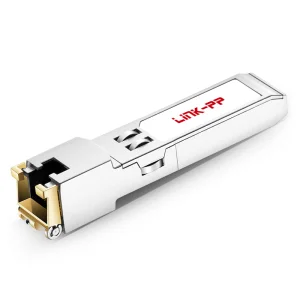
As enterprise networks expand and the demand for bandwidth spikes, the deployment of RJ45 Copper SFP modules has emerged as a cornerstone strategy for structured cabling optimization. Unlike standard optical transceivers, RJ45 Copper SFPs allow network administrators to bridging the gap between existing RJ45 copper connections and modern SFP/SFP+ switch architectures.
Global procurement teams prioritize these modules because they maximize existing investment in Cat5e, Cat6, and Cat6a cabling. Instead of committing to the high CapEx of upgrading entire infrastructures to fiber, companies utilize these Hot-Pluggable units to integrate high-speed copper nodes. This strategy reduces Total Cost of Ownership (TCO) while offering deployment flexibility in mixed media networks.
Dynafiber Optical Technology provides engineered solutions that guarantee compatibility, power efficiency, and long-term thermal management, addressing the precise needs of global supply chains and high-density networking infrastructures.
| Parameters | 1000BASE-T (1G) | 2.5GBASE-T | 10GBASE-T (10G) |
|---|---|---|---|
| Cable Requirement | Cat5e / Cat6 | Cat6 / Cat6a | Cat6a / Cat7 | Max Distance | Up to 100m | Up to 100m | 30m / 80m / 100m |
| Power Dissipation | < 1.0 W | < 1.3 W | 1.6 W to 2.5 W |
| Primary Application | LAN Edge Switches | WiFi 6/7 AP Backhaul | ToR Server Links |
Understanding the hardware engineering that powers modern multi-gigabit copper transceivers.
Our transceivers feature industry-leading PHY chips (Marvell, Broadcom) to ensure signal conversion from Host-side SerDes to Line-side Base-T. These chips employ advanced Digital Signal Processing (DSP) to counteract crosstalk and echo over twisted-pair copper cables.
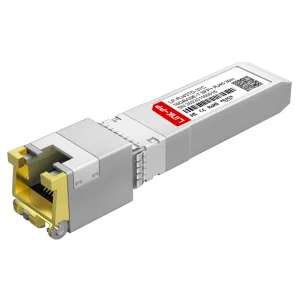
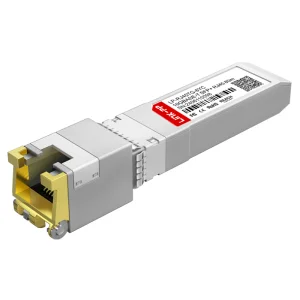
10GBASE-T RJ45 SFP+ modules generate significantly more heat than optical modules. We design our SFP+ copper modules with optimized thermal dissipation structures and lower power-draw PHY engines to operate within standard host port limitations.
Housed in fully metallic enclosures, our RJ45 modules offer robust electromagnetic interference (EMI) protection. Coupled with ESD protection circuitry, they maintain reliable link stability even in electrically noisy industrial environments.
Quality at Dynafiber is built into every step of the manufacturing pipeline. Operating from our advanced facility, we maintain strict quality control systems to support high-reliability environments.
Every single RJ45 Copper SFP module goes through an exhaustive testing sequence, including:
Our dedicated team of 65 quality control engineers and inspectors ensures that every batch meets stringent international standards, minimizing field return rates.
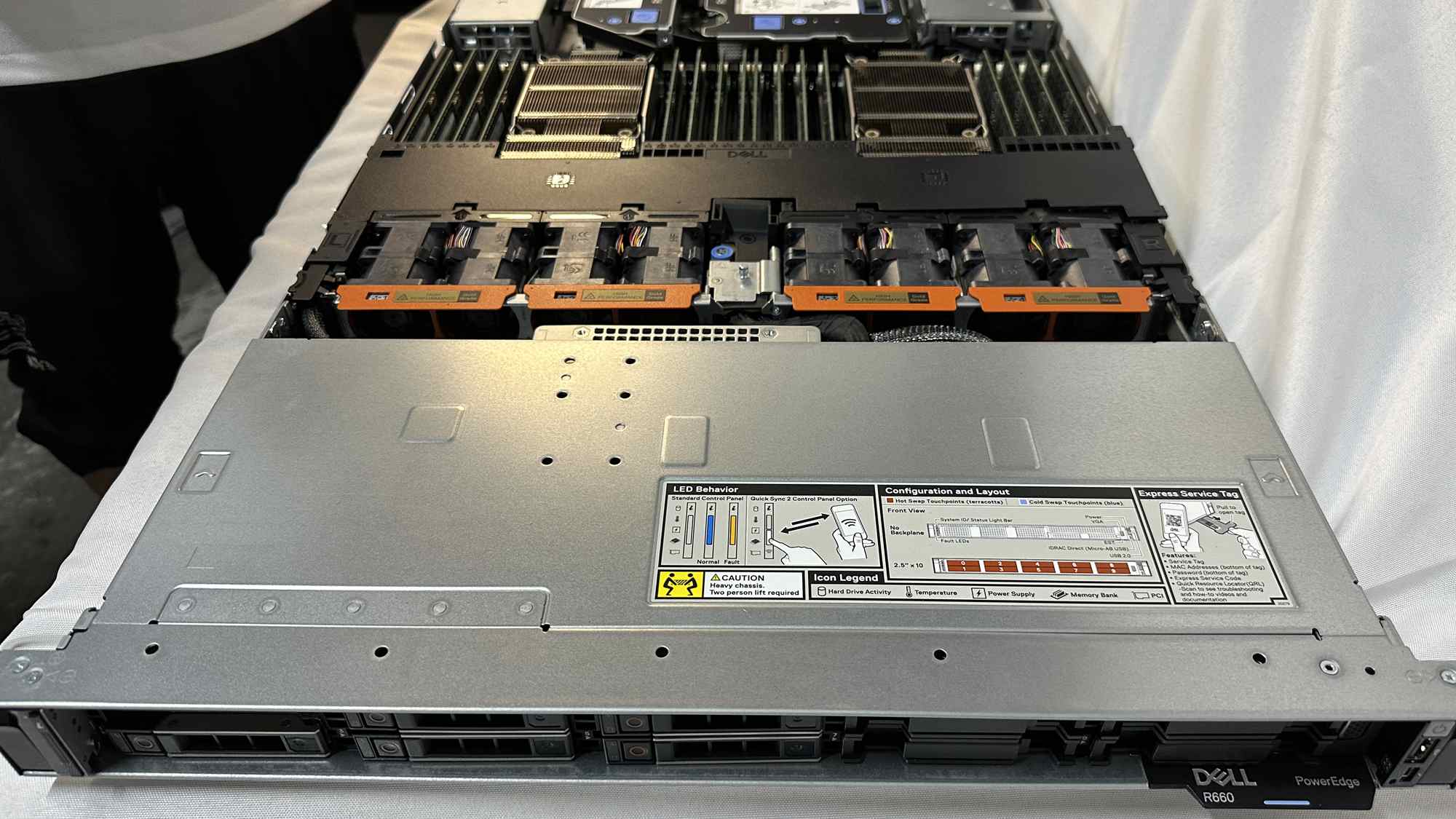
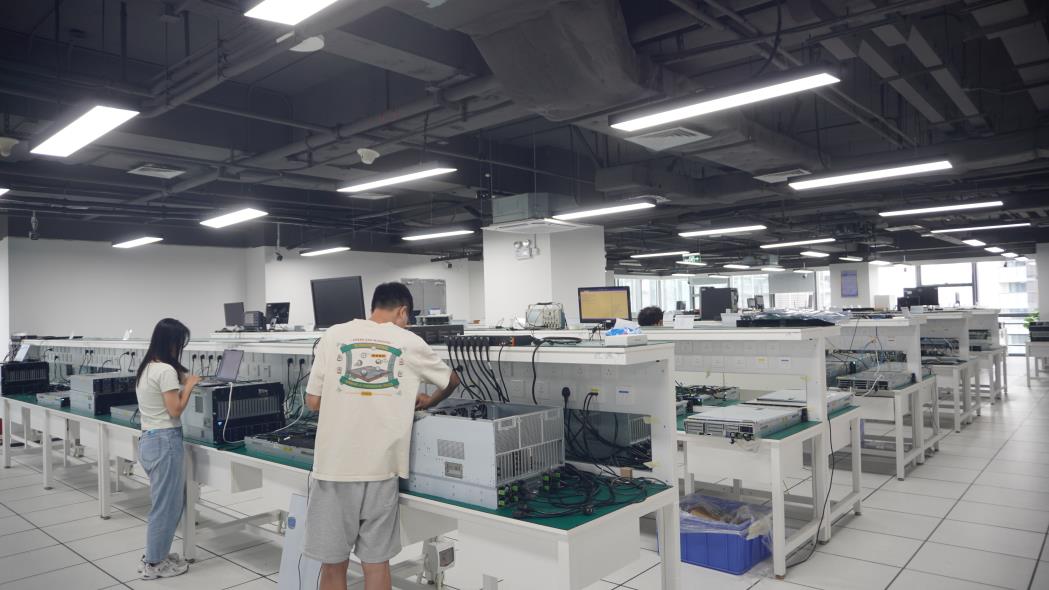

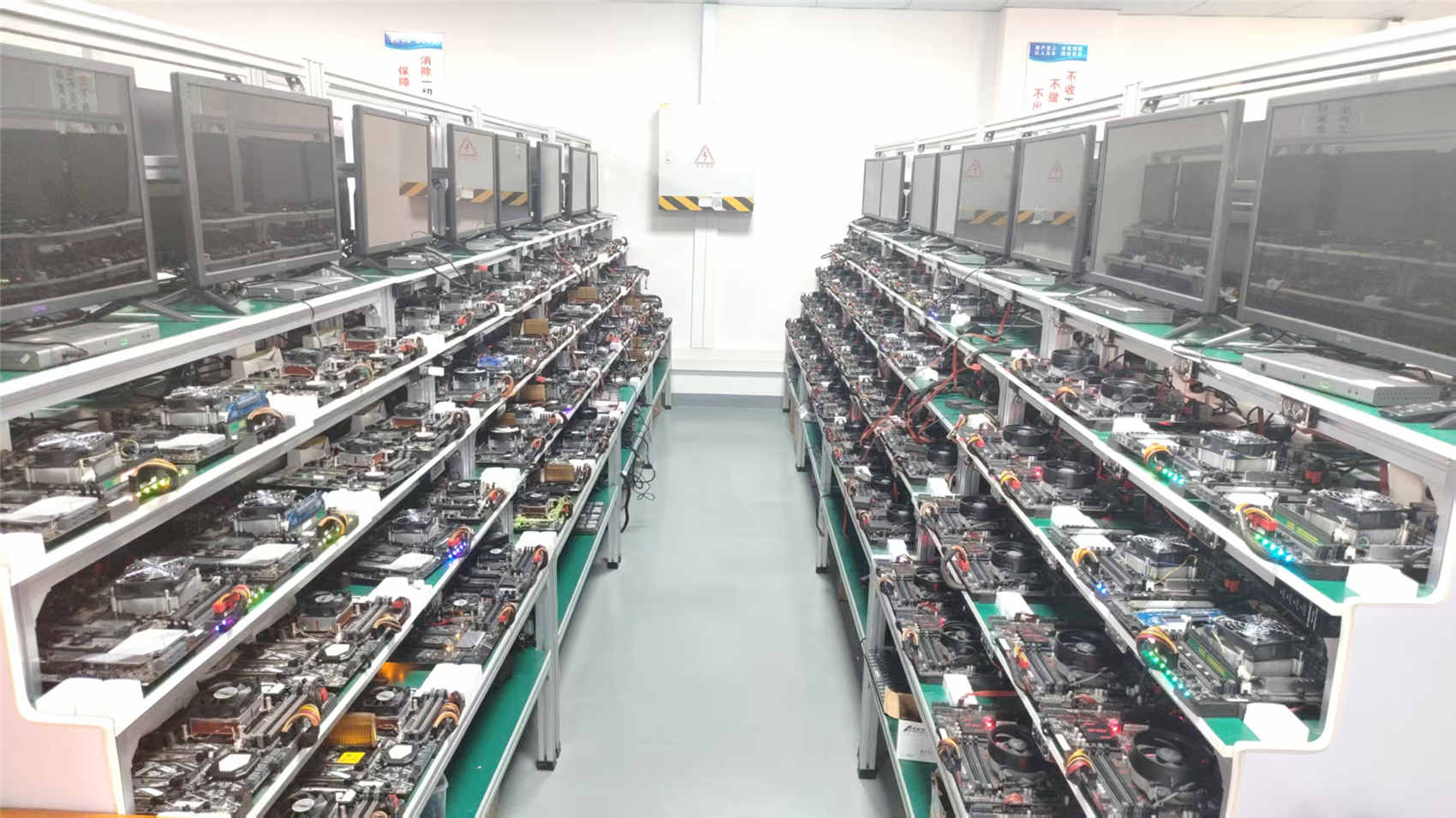

Tailored connectivity layouts for enterprise data centers, campus networks, and industrial deployments.
In high-density Leaf-Spine architectures, our 10GBASE-T SFP+ modules are deployed to establish reliable links between Top-of-Rack (ToR) switches and local storage servers. This design offers a plug-and-play solution that supports existing copper connections at lengths of 30 to 80 meters.
For organizations looking to deploy multi-gigabit access switches or higher throughput wireless access points (AP), our 2.5G and 5G multi-rate copper SFPs allow the utilization of pre-existing Cat6 cables, saving significant installation costs.
For factory floors and heavy industrial environments, we manufacture hardened, industrial-grade copper SFP modules designed to withstand extreme operating temperature ranges (-40°C to 85°C) and higher vibrations.
Compliance and standards are critical to maintaining network interoperability. Dynafiber ensures that every copper SFP we ship complies strictly with international industry agreements:
Our dedicated engineering department provides extensive OEM/ODM configuration options. We offer custom EEPROM firmware encoding to match compatibility profiles for over 80 major networking vendor systems, ensuring trouble-free plug-and-play installation.
As multi-gigabit speeds expand, copper transmission protocols continue to push theoretical boundaries. The next transition cycle focuses on shifting from 10G to 25GBASE-T and 40GBASE-T copper links within short distances, using PAM4 modulation techniques to pack more data into existing frequency ranges.
At Dynafiber, our R&D roadmap focuses on developing next-generation PHY structures that operate below 1.2W power draw. Lowering this consumption is crucial to keeping host port temperatures within manageable limits and enabling higher packing density across enterprise datacenter switches.
Answers to critical questions asked by optical network engineers, datacenter architects, and procurement managers.
Complete your deployment specifications with our compatible and multi-rate RJ45 copper transceivers.
Contact our technical engineering team for bulk pricing, customized compatibility configuration, or to request custom evaluation samples.
Contact Our Engineers