In the rapidly evolving world of networking, the QSFP28 transceiver has emerged as a vital component for high-speed data transmission. Industry expert Dr. Emily Chen, a leading figure at Network Solutions Inc., emphasizes, “Choosing the right QSFP28 transceiver can make or break your network performance.” Her insight highlights the importance of understanding various options available in the market.
With data centers demanding higher bandwidth, buyers face numerous choices. The QSFP28 transceiver, capable of achieving 100 Gbps, stands out among options. However, not all transceivers are created equal. Buyers need to consider factors like compatibility and reliability. Many companies have launched products with varying specifications. Some fall short of expectations, leading to network downtime and frustration.
This article outlines the top 10 QSFP28 transceivers for global buyers. As you navigate this complex landscape, remember the significance of thorough research. Buyers should focus not only on specifications but also on manufacturer reputation. Additionally, user reviews can provide valuable insights. In this dynamic industry, making a well-informed decision can have long-lasting effects on network efficiency.
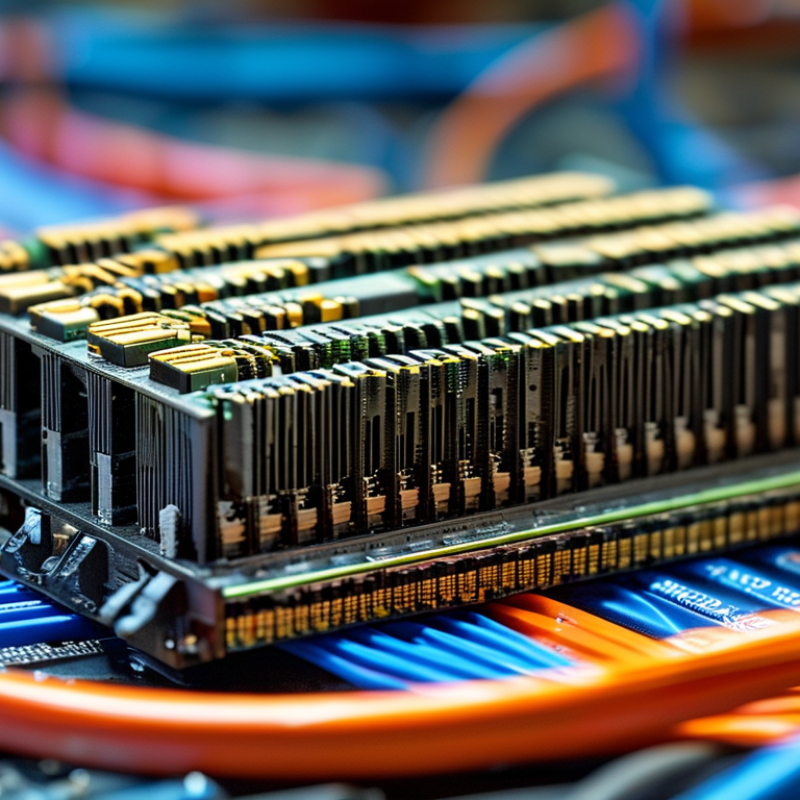
Overview of QSFP28 Transceivers and Their Importance
QSFP28 transceivers have become crucial in modern networking. They are used to support high-speed data transfers. These devices are essential in data centers and telecommunication networks. Their ability to handle 100Gbps data rates makes them a preferred option.
One of the significant advantages of QSFP28 transceivers is their compact size. This allows for more efficient spacing in networking equipment. Additionally, they offer lower power consumption than previous generations. This makes them more cost-effective in the long run. Many users might overlook the importance of compatibility. Always verify that your equipment supports the specific transceiver you choose.
Tips for selecting QSFP28 transceivers include checking specifications thoroughly. Look for details like transmission distance and wavelength compatibility. Also, consider the specific network infrastructure you are working with. Sometimes, the cheapest option may not always be the best for your needs. It's wise to seek expert advice if unsure. Transceivers are not all created equal, and understanding their unique features can help optimize performance.
Top 10 QSFP28 Transceivers - Performance Comparison
This chart illustrates the data rates of the top 10 QSFP28 transceivers, providing a comparative overview to assist buyers in their selection process. Higher rates typically indicate better performance for data transmission needs.
Key Features to Consider When Choosing QSFP28 Transceivers
When selecting QSFP28 transceivers, certain key features are crucial. Understanding these can help ensure efficient network performance. One major consideration is the transmission distance. QSFP28 transceivers can support varying distances, typically from 100 meters to 10 kilometers. Choosing the right distance for your application is essential.
Compatibility plays a significant role, too. Ensure the transceiver is compatible with your existing network infrastructure. According to industry reports, mismatched components can lead to performance degradation. Look for transceivers that meet established standards. This ensures reliability and longevity in your setup.
Tip: Always check the optical specifications. Different applications may require different wavelengths. A mismatch can cause signal loss or attenuation, negatively impacting your network.
Power consumption is another factor to evaluate. QSFP28 transceivers are designed for efficiency, typically using less than 3.5 watts per port. However, some models may consume more power. Higher consumption can lead to increased operational costs. Monitor these levels when deploying transceivers in large-scale environments.
Ultimately, take time to assess all these features. A well-informed decision will lead to better performance and efficiency in your network. Keep an eye on evolving standards and market offerings. Staying informed can help mitigate potential pitfalls in selection.
Top 10 QSFP28 Transceivers: Performance and Compatibility
When selecting QSFP28 transceivers, performance and compatibility are crucial factors. A recent industry report highlights that data centers are increasingly adopting 100G optical fibers, making the demand for high-performance transceivers essential. Most QSFP28 transceivers support both 100G and 25G Ethernet, offering flexible options for network configurations. This adaptability allows businesses to future-proof their infrastructure as bandwidth demands grow.
Furthermore, compatibility with different networking equipment is a key consideration. An analysis from a networking standards body revealed that nearly 30% of operational issues stem from incompatibility between transceivers and network devices. It's vital to verify that the transceiver can integrate seamlessly with existing switches and routers. Choosing a transceiver with broad compatibility can significantly reduce potential downtime.
However, not all transceivers perform equally under various conditions. Some models suffer from increased latency or temperature sensitivity, which can affect overall network performance. Evaluating the environmental specifications and real-world performance metrics of transceivers can help identify the most reliable options.
Comparative Analysis of Leading QSFP28 Transceiver Brands
When evaluating QSFP28 transceivers, potential buyers should focus on key factors like performance, reliability, and compatibility. It’s essential to consider the technical specifications that cater to specific needs. For instance, some transceivers excel in short-range applications, while others are designed for long-distance transmission. These variations can significantly impact overall network efficiency.
Another critical aspect is the brand reputation and support offered. Brands with a history of innovation tend to provide products that meet rigorous standards. Look for detailed documentation and customer support to aid in the installation process. However, not all brands offer the same level of service, which may leave users in the lurch. It's vital to weigh the pros and cons carefully.
While many transceiver options exist, users often report inconsistencies in performance across different environments. Testing is essential. Users should also consider future scalability. An option that seems perfect now may not meet future demands, leading to possible regret later. Each buyer's unique environment demands careful consideration of these factors for optimal network performance.
Future Trends in QSFP28 Technology and Market Demand
The QSFP28 technology landscape is evolving rapidly. According to a recent report by MarketsandMarkets, the global QSFP28 transceiver market is projected to grow from $1.62 billion in 2020 to $5.01 billion by 2026, reflecting a compound annual growth rate (CAGR) of 21.1%. This growth stems from increasing demand for higher bandwidth in data centers and telecommunication networks. As organizations upgrade their infrastructures, the need for advanced transceivers is underscored.
Market trends indicate a shift toward greater energy efficiency and lower latency solutions. The adoption of cloud computing and big data applications necessitates faster data transmission. By 2025, it is estimated that 60% of enterprise data will be stored off-site, further pressing the need for resilient and high-capacity connections. However, challenges persist, including compatibility issues with older systems and varying standards across regions.
As manufacturers innovate, future QSFP28 transceivers might incorporate AI for self-optimization and monitoring. Such advancements could enhance performance but also lead to dependency on complex technologies. The market’s trajectory points to sustained demand, but can producers keep pace with the evolving needs? Navigating this dynamic environment will require continuous research and adaptation to meet users' expectations effectively.
Top 10 QSFP28 Transceivers for Global Buyers to Consider
| Model |
Data Rate |
Distance |
Connector Type |
Application |
| Model A |
100G |
100m |
MTP/MPO |
Data Center |
| Model B |
100G |
10km |
LC |
Telecom |
| Model C |
100G |
40km |
LC |
Metro |
| Model D |
100G |
80km |
LC |
Long-Haul |
| Model E |
100G |
200m |
MTP/MPO |
Data Center |
| Model F |
100G |
30km |
LC |
Metro |
| Model G |
100G |
150m |
MTP/MPO |
Data Center |
| Model H |
100G |
500m |
MTP/MPO |
Data Center |
| Model I |
100G |
2km |
LC |
Long-Haul |
| Model J |
100G |
10m |
MTP/MPO |
Short-Range |
Conclusion
The article "Top 10 QSFP28 Transceivers for Global Buyers to Consider" provides a comprehensive overview of QSFP28 transceivers and highlights their significance in modern networking environments. QSFP28 transceivers offer high-speed data transmission capabilities essential for meeting the demands of data centers and high-performance computing.
Key features to consider when selecting QSFP28 transceivers include bandwidth, power consumption, compatibility with existing infrastructure, and reliability. The article also presents a comparative analysis of leading QSFP28 transceiver brands, emphasizing their performance metrics and compatibility with various systems. Lastly, it discusses future trends in QSFP28 technology, pointing to the growing market demand driven by advancements in data transmission speeds and networking efficiency. Overall, understanding these aspects of QSFP28 transceivers is vital for buyers looking to optimize their network performance.
 Dynafiber
