The QSFP transceiver is a critical component in modern data communication systems. It enables high-speed data transfer across various networking platforms, making it vital for cloud computing and big data applications. According to a recent report by MarketsandMarkets, the global QSFP transceiver market is projected to reach $5.1 billion by 2026, highlighting its rapid growth and increasing demand.
Industry expert Dr. Emily Jenkins emphasized, “The importance of the QSFP transceiver cannot be overstated; it enhances bandwidth and optimizes network performance.” This statement reflects a common sentiment among professionals in the telecommunications sector. As data needs expand, so does the necessity for efficient transceivers.
Yet, the evolving technology presents challenges. Companies must adapt to new standards and compatibility issues. Providers face pressure to balance cost and performance, often leading to compromises. Thus, understanding and leveraging QSFP transceivers is essential for success in a competitive landscape.
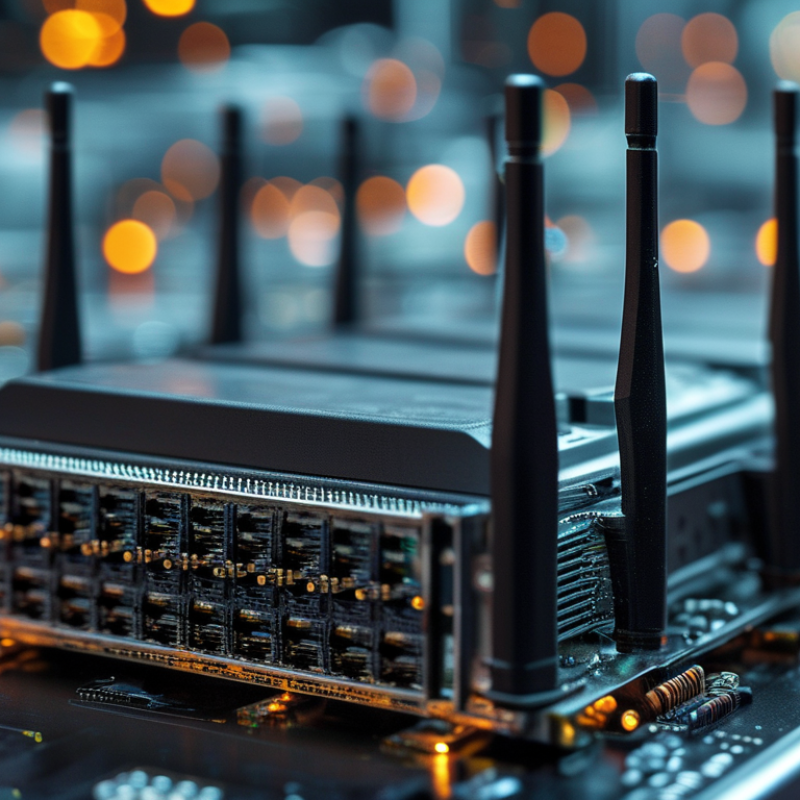
Understanding QSFP Transceivers: A Comprehensive Overview
QSFP transceivers, or Quad Small Form-factor Pluggables, are essential in networking. These compact devices allow high-speed data transmission. A typical QSFP can transmit data at rates up to 400 Gbps. This capability is vital for data centers and enterprise networks, which require reliable connections.
The design of QSFP transceivers enables scalability and flexibility. They support various protocols and can connect different types of devices. Their versatility makes them crucial in modern telecommunications. Users can easily swap them out without shutting down the system. However, this convenience can lead to mistakes if not handled carefully.
While QSFP transceivers are powerful tools, there are concerns. Improper installation can lead to connectivity issues. Additionally, heat management is important; without adequate cooling, performance may degrade. Regular monitoring and maintenance are necessary. A lack of attention to these factors can result in unexpected downtime. Understanding these nuances can enhance the effectiveness of QSFP transceivers in any network setup.
The Functionality of QSFP Transceivers in Networking
QSFP transceivers play a crucial role in networking by facilitating high-speed data transfers. These compact devices can support various data rates, including 40 Gbps and 100 Gbps, depending on the optical and electrical standards used. By utilizing multiple data lanes, QSFP transceivers boost bandwidth significantly. This functionality is vital for data centers and enterprises that demand efficient data communication.
In practical terms, QSFP transceivers help maintain seamless connections between servers and switches. They enable quick and reliable data transmission over fiber optic cables, reducing latency. This feature is essential for applications like cloud computing and video streaming, where fast data access is critical. However, not all installations benefit from QSFP transceivers. When improperly selected or configured, they can lead to connectivity issues or performance bottlenecks.
Networking professionals must carefully consider their requirements. Not every situation calls for the advanced capabilities of QSFP technology. Assessing the specific needs and potential limitations can lead to better, more informed decisions. Adopting QSFP transceivers without thorough analysis might not always yield the expected improvements in network efficiency.
Key Benefits and Applications of QSFP Transceivers
QSFP transceivers, or Quad Small Form-factor Pluggable transceivers, are crucial components in high-speed data transmission. They support multiple data rates, including 40 Gbps and 100 Gbps, making them ideal for demanding applications. In data centers, these transceivers help streamline communication between switches and servers. According to a report by MarketsandMarkets, the QSFP transceiver market is expected to grow at a CAGR of 15.4% from 2021 to 2026.
One key benefit of QSFP transceivers is their versatility. They can support various protocols, including Ethernet, Fibre Channel, and InfiniBand. This adaptability makes them suitable for diverse networking environments. A study highlighted that 70% of organizations now adopt QSFP modules for their ability to handle increased bandwidth demands. Moreover, their compact size allows for higher port density, which is essential for reducing the physical footprint in network racks.
QSFP transceivers also facilitate energy efficiency. Newer designs use advanced technologies to reduce power consumption while maximizing performance. However, as demands for higher speeds grow, the need for constant innovation remains a challenge. The industry must address thermal management, as overheating could impact performance. Balancing efficiency and speed will require continuous reflection and adaptation from manufacturers to meet evolving standards.
What is QSFP Transceiver and Why is it Important?
| Attribute |
Description |
| Form Factor |
Quad Small Form-factor Pluggable (QSFP) |
| Data Rate |
Up to 400 Gbps |
| Connector Type |
Multiple Connector Options (e.g., LC, MPO) |
| Distance Range |
From 300 meters to over 10 kilometers based on the fiber type |
| Key Benefits |
High speed, compact size, low power consumption, and hot-swappable |
| Applications |
Data centers, high-performance computing, enterprise networks, and telecommunications |
Comparing QSFP Transceivers with Other Transceiver Types
QSFP transceivers have surged in popularity, particularly in data centers and high-performance computing environments. They offer high data rates ranging from 40 Gbps to 400 Gbps. This is a significant leap when compared to traditional SFP and SFP+ modules, which typically support lower bandwidths. According to a report by Markets and Markets, the optical transceiver market is projected to grow from $6.35 billion in 2022 to $14.32 billion by 2027. The increasing demand for higher bandwidth drives the adoption of QSFP transceivers.
When comparing QSFP transceivers to other types, such as SFP and XFP, a few key differences emerge. SFP supports data rates up to 1 Gbps, while XFP can handle up to 10 Gbps. QSFP modules, however, leverage multiple channels to achieve higher speeds. They utilize parallel optics, making them more efficient for applications requiring simultaneous high-speed connections. For instance, QSFP-100G modules can use four 25 Gbps lanes to deliver data, which optimizes performance and reduces overall latency.
Despite their advantages, QSFP transceivers aren't universally superior. Compatibility with existing infrastructure can be a hurdle. In some cases, transitioning to QSFP may necessitate additional hardware changes. Moreover, they are generally more expensive than lower-capacity options. The decision to implement QSFP technology should incorporate considerations around budget constraints and network demands. Understanding these nuances is essential for an informed choice.
Future Trends in QSFP Technology and Its Impact on Networking
The future of QSFP technology is shaping the landscape of networking. As demands for higher bandwidth increase, QSFP transceivers evolve to meet these challenges.
Newer models support data rates up to 400 Gbps, providing significant improvements over previous generations. This advance aids in managing growing data loads efficiently.
Incorporating QSFP technology offers flexibility, critical for modern networking. The capacity to connect multiple devices through a single transceiver reduces complexities in wiring and equipment.
Organizations can streamline their infrastructure, leading to cost savings and improved performance.
Tip: Regularly assess your network's capacity and plan for future upgrades. QSFP technology may offer solutions to meet unforeseen demands.
Trends indicate a shift towards multimode fiber for shorter distances, while single-mode fiber remains essential for long-range connections. This dual approach optimizes network performance across various environments.
Tip: Beware of potential compatibility issues with existing hardware. Always verify specifications before upgrading components.
Conclusion
The QSFP transceiver is a crucial component in modern networking, enabling high-speed data transmission and efficient connectivity among various devices. Understanding its functionality reveals how this technology supports bandwidth-intensive applications by allowing multiple data streams over a single connection. The key benefits of QSFP transceivers include reduced latency, increased density, and the capacity to support a wide range of protocols, making them ideal for data centers and enterprise networks.
Comparing QSFP transceivers to other types of transceivers highlights their superior performance and versatility. As technology evolves, future trends in QSFP transceiver design and capabilities promise to further enhance network infrastructure, driving innovation and addressing the growing demands for faster and more reliable communication solutions. The importance of QSFP transceivers in modern networking cannot be overstated, as they play a pivotal role in shaping the future of digital connectivity.
 Dynafiber
