Dynafiber Dynafiber

Why Choose SFP+ Transceiver for Your Networking Needs?

Time:2026-07-17 Author:Sienna
0%

In today's fast-paced digital world, choosing the right networking equipment is crucial. The SFP+ transceiver emerges as a vital component for modern networks. Its compact design and high-speed capabilities make it ideal for various applications.

What sets the SFP+ transceiver apart? It supports data rates up to 10 Gbps, ensuring rapid data transmission. This efficiency is essential for businesses that rely on seamless connectivity. Moreover, its versatility allows compatibility with different types of network cabling. Users appreciate this flexibility, enabling tailored solutions for their specific needs.

However, not every SFP+ transceiver is of equal quality. Some might not meet industry standards or offer reliable performance. It's vital to choose reputable brands to ensure network stability. Investing in a high-quality SFP+ transceiver can enhance your network's reliability and efficiency significantly.
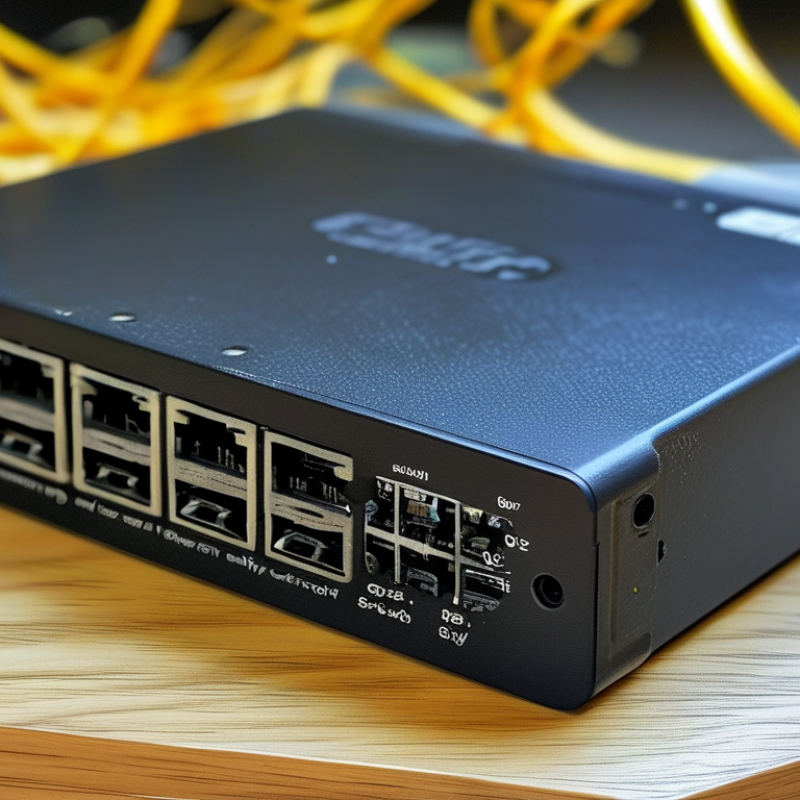
Why Choose SFP+ Transceiver for Your Networking Needs?

Understanding the Basics of SFP+ Transceivers in Networking

SFP+ transceivers are essential components in modern networking environments. They enable seamless communication between devices. Understanding their role can help you make informed decisions. These small modules transmit and receive data, connecting switches, routers, and servers.

The basics of SFP+ transceivers revolve around their design and functionality. They typically support data rates up to 10 Gbps, which is crucial for high-speed networks. Different types of SFP+ modules cater to various distances and environments. For example, short-range modules work well in data centers, while long-range options are suited for wide-area networks.

While SFP+ transceivers offer impressive capabilities, selecting the right one can be challenging. Compatibility issues may arise, and not all devices support every SFP+ type. It’s important to consider your specific networking needs. Often, many overlook the specifics of cable types and environmental factors that can impact performance. These considerations can greatly influence network efficiency and reliability.

Key Features and Advantages of SFP+ Transceivers

SFP+ transceivers are essential for modern networking needs. Their compact form factor allows for flexible deployments. This makes them ideal for various environments, from data centers to enterprise networks. The significant advantage of SFP+ is its ability to support high data rates. Speeds of up to 10 Gbps are commonly achieved. This is crucial for handling large amounts of data efficiently.

One notable feature of SFP+ transceivers is their versatility. They are compatible with multiple types of media. You can use them with fiber optics or copper cables. This adaptability means that organizations can mix and match according to their requirements. Moreover, SFP+ modules are designed for hot-swapping. This allows for easy replacement without shutting down the system, reducing potential downtime.

While SFP+ transceivers offer many benefits, there are challenges. Interoperability issues can occur with different manufacturers. Not all transceivers perform equally well in every scenario. It's important to consider network specifics before choosing. This reflection on compatibility is essential to optimize network performance. SFP+ transceivers are a valuable choice for effective and efficient networking. Their features can significantly enhance network capabilities when selected thoughtfully.

Key Features and Advantages of SFP+ Transceivers

Comparing SFP+ with Other Networking Transceiver Options

When evaluating networking transceivers, one standout option is the SFP+ module. It offers higher data transfer rates compared to traditional SFP modules. With a capacity of up to 10 Gbps, SFP+ supports applications that demand high bandwidth. This feature makes it ideal for data centers and enterprise networks. Some users may overlook this advantage when considering other options.

Comparing SFP+ to other transceiver types, like QSFP or CX4, reveals unique traits. QSFP supports multiple 10 Gbps channels. However, it can be more complex and costly. Meanwhile, CX4 is limited to a shorter range. Users must weigh the trade-offs of these alternatives. While SFP+ shines in speed and flexibility, it's important to recognize its limitations. For instance, its range covers roughly 300 meters for multimode fiber, which might not suffice for all setups.

Many overlook the compatibility issues with SFP+ modules. Not every switch or router supports them. It is crucial to ensure that your existing infrastructure can accommodate SFP+. Some installers rush this step, leading to performance hiccups. This reflection on SFP+ highlights its strengths and potential pitfalls, making informed choices essential in networking setups.

Applications and Use Cases for SFP+ Transceivers

SFP+ transceivers are vital in modern networking. They support high-speed connections up to 10 Gbps. This capability is crucial for data centers and enterprise networks. According to industry reports, the global transceiver market is projected to reach $12 billion by 2027. This growth stems from increasing data traffic and the need for faster networking solutions.

Various use cases highlight the versatility of SFP+ transceivers. For instance, they enable effective data transmission in cloud computing environments. This technology enhances connectivity between servers and storage solutions. In addition, SFP+ transceivers are widely used in telecommunication networks. They support long-distance data transfers, making them essential for ISPs. With the rise of IoT devices, these transceivers are also becoming crucial in managing large data volumes.

However, there are challenges to consider. Compatibility issues can arise when integrating SFP+ transceivers into existing systems. Furthermore, not all SFP+ transceivers provide reliable performance. Users must invest time in evaluating options to avoid potential pitfalls. The right choice can ensure optimal network efficiency and reliability. As the demand for fast, efficient networking grows, the role of SFP+ transceivers will remain pivotal.

Future Trends in SFP+ Technology and Networking Solutions

As technology advances, the demand for faster and more reliable networking solutions increases. SFP+ transceivers are pivotal in meeting these needs. They enhance the ability to transmit data at higher speeds, specifically up to 10 Gbps, ensuring seamless communication across networks. This capability is vital for data centers and enterprise environments.

Future SFP+ technology focuses on improving efficiency. New materials and designs are on the horizon. These innovations could reduce power consumption while increasing performance. Network managers should anticipate these changes to stay ahead. Adapting to new technologies is essential for maintaining competitive edges.

Tips: When selecting SFP+ transceivers, consider compatibility with your existing equipment. Ensure they align with your network’s speed requirements. Regularly assess your infrastructure, as older components can become bottlenecks. Embrace the evolution of networking to avoid lagging behind. Make incremental improvements rather than waiting for major overhauls.

FAQS

: What are SFP+ transceivers?

: SFP+ transceivers are small modules enabling data transmission between networking devices. They are essential for communication.

How fast do SFP+ transceivers operate?

They typically support speeds up to 10 Gbps, crucial for high-speed networking. Speed is vital for efficiency.

What types of environments can SFP+ modules be used in?

SFP+ modules work well in data centers and enterprise networks. Their flexibility makes them suitable for various contexts.

What should I consider when selecting an SFP+ transceiver?

Check compatibility with your devices. Also, consider your specific networking needs and the types of cables being used.

Are SFP+ transceivers hot-swappable?

Yes, they can be replaced without shutting down the system. This reduces potential downtime significantly during maintenance.

What challenges can arise with SFP+ transceivers?

Interoperability issues may occur among different manufacturers. Not every transceiver will perform equally in all scenarios.

How can I maintain efficient networking with SFP+ technology?

Regularly assess your infrastructure. Upgrade older components to avoid bottlenecks and improve overall performance.

What future trends should I watch for in SFP+ technology?

Expect innovations in materials and designs that enhance performance while reducing power consumption. Staying updated is crucial.

How do cable types affect SFP+ performance?

The choice of cable can significantly influence network efficiency. It’s important to match cable types with environment needs.

Why is adapting to new networking technologies important?

Embracing evolving technologies prevents lagging behind competitors. Incremental improvements can lead to better overall network performance.

Conclusion

The article "Why Choose SFP+ Transceiver for Your Networking Needs?" delves into the essential role that SFP+ transceivers play in modern networking environments. It begins by outlining the fundamental principles of SFP+ technology, explaining how these compact, hot-pluggable modules enhance data transmission capabilities. The key features and advantages of SFP+ transceivers are highlighted, including their high-speed performance, flexibility, and ability to support various networking protocols, making them a preferred choice for many organizations.

Furthermore, the article compares SFP+ transceivers with other networking options, showcasing their superior bandwidth and range. Real-world applications and use cases illustrate how SFP+ transceivers are effectively deployed in data centers, enterprise networks, and telecommunications. Finally, the discussion on future trends emphasizes the ongoing development in SFP+ technology and its critical role in facilitating faster and more efficient networking solutions, affirming its significance in the ever-evolving landscape of connectivity.

Sienna

Sienna

Sienna is a skilled marketing professional with a deep expertise in our company’s core products and services. With a passion for innovation and detail, she plays a pivotal role in crafting insightful blog posts that not only highlight the unique features of our offerings but also provide valuable......