Dynafiber
Dynafiber
Dynafiber
Engineered for immediate integration into high-bandwidth infrastructure across Colombo, Hambantota, and the Western Province network hubs.
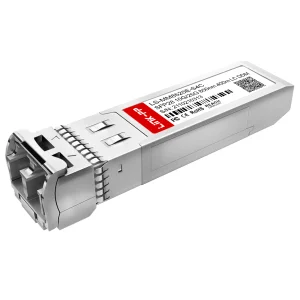
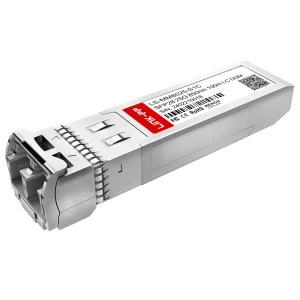
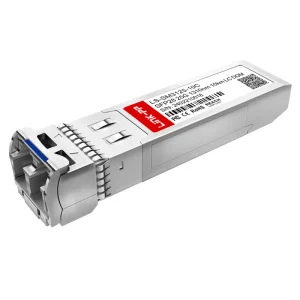
Sri Lanka's digital infrastructure is undergoing an unprecedented modernization program. Driven by national initiatives to transform Colombo into a leading South Asian financial hub and tech corridor, regional operators such as Dialog Axiata, SLT-Mobitel, and Hutch are rapidly expanding their cellular backhauls to support robust 5G standalone networks. The rise of the Colombo Port City special economic zone has attracted substantial multinational cloud investments, requiring high-density, low-latency interconnection nodes.
Traditionally, infrastructure in the region relied heavily on 10G SFP+ links. However, the surging bandwidth demand from mobile data, digital payment architectures, and local IT-BPO (Information Technology and Business Process Outsourcing) exports has pushed operators toward the SFP28 standard. Providing 25G speeds over existing single-mode and multi-mode fiber runs, SFP28 modules mitigate the need for costly fiber overlays, solving the spatial and thermal constraints common in coastal deployments around Colombo, Galle, and Jaffna.
Furthermore, the manufacturing and banking sectors in Sri Lanka are implementing modern Storage Area Networks (SAN) to protect transactional records and logistics databases. This shift has driven the adoption of 32G SFP28 Fibre Channel modules in local data centers, providing the crucial bandwidth and error correction needed to avoid network packet drops in mission-critical applications.
Across global data centers, the standard leaf-spine architecture has moved definitively from 10G-to-40G setups to a more efficient 25G-to-100G framework. SFP28 (Small Form-factor Pluggable 28) represents the primary vehicle for this transformation. Operating on a single channel of 25-28 Gbps, SFP28 bypasses the architectural drawbacks of 40G QSFP+, which splits bandwidth across four lanes, consuming excess power and physical rack space.
For SAN deployment, the 32G Fibre Channel (32GFC) uses the exact physical package of SFP28 but implements specific framing and signaling protocols to guarantee lossless delivery of storage block data. Procurement professionals must navigate critical interoperability demands: transceivers must interface perfectly with diverse switch manufacturers (such as Cisco, Juniper, Arista, and HP) while maintaining low Bit Error Rates (BER) and optimized power dissipation profiles (often below 1W per module).
Unlike QSFP modules that utilize multi-lane structures, SFP28 uses a single lane of 25 Gbps. This simplifies routing on host boards, cuts down component count, and reduces point-of-failure vulnerabilities.
In tropical South Asian installations, high ambient humidity and heat degrade standard lasers. Premium SFP28 modules utilize commercial and industrial temperature grading to guarantee optical stability.
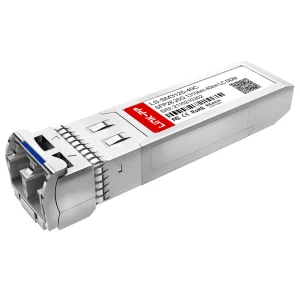
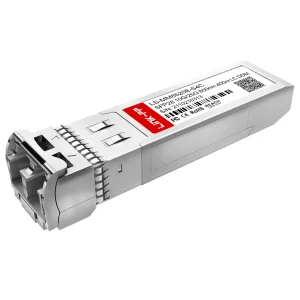
Multi-rate SFP28 optical modules allow enterprises to switch dynamically between 25GE Ethernet networks and 32G Fibre Channel SAN architectures, streamlining physical spares inventory.
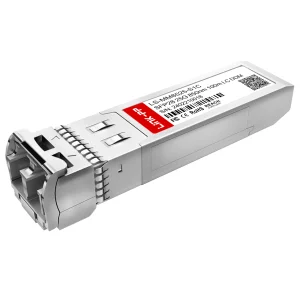
Deployments requiring flexible 10G/25G dual-rate operation and legacy campus infrastructure integrations.
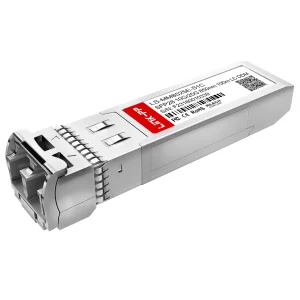
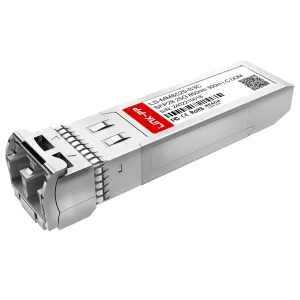
Dynafiber Optical Technology Co., Ltd. (established in 2016) operates a world-class manufacturing layout optimized for high-speed transceivers. Spanning a 28,600㎡ state-of-the-art facility, our factory incorporates modern Industry 4.0 automated processes. This includes high-precision optical sub-assembly (OSA) robotic packaging, automated wire bonding, and advanced optical path alignment systems. Our scale supports an annual export revenue of USD 18.6 million, confirming our status as a trusted global exporter.
Quality assurance is embedded in every step of the production cycle. A dedicated team of 65 engineers and quality inspectors runs every transceiver through a rigorous testing matrix. This protocol includes automated optical performance tests, thermal stress testing (temperature cycling from cold to hot extremes), real-time Bit Error Rate (BER) analysis, and strict compatibility verification using mainstream switches (Cisco, Huawei, Juniper, Arista, etc.).
With 12 years of industry experience and 7 years of export history, Dynafiber has cultivated deep relations with over 1,200 supply chain partners. This network guarantees raw material and chip wafer availability (including lasers, photodetectors, and CDR chipsets) even during global component shortages. For our Sri Lankan buyers, this means highly competitive factory-direct pricing, stable lead times, and customized OEM/ODM options tailored to specific local specifications.


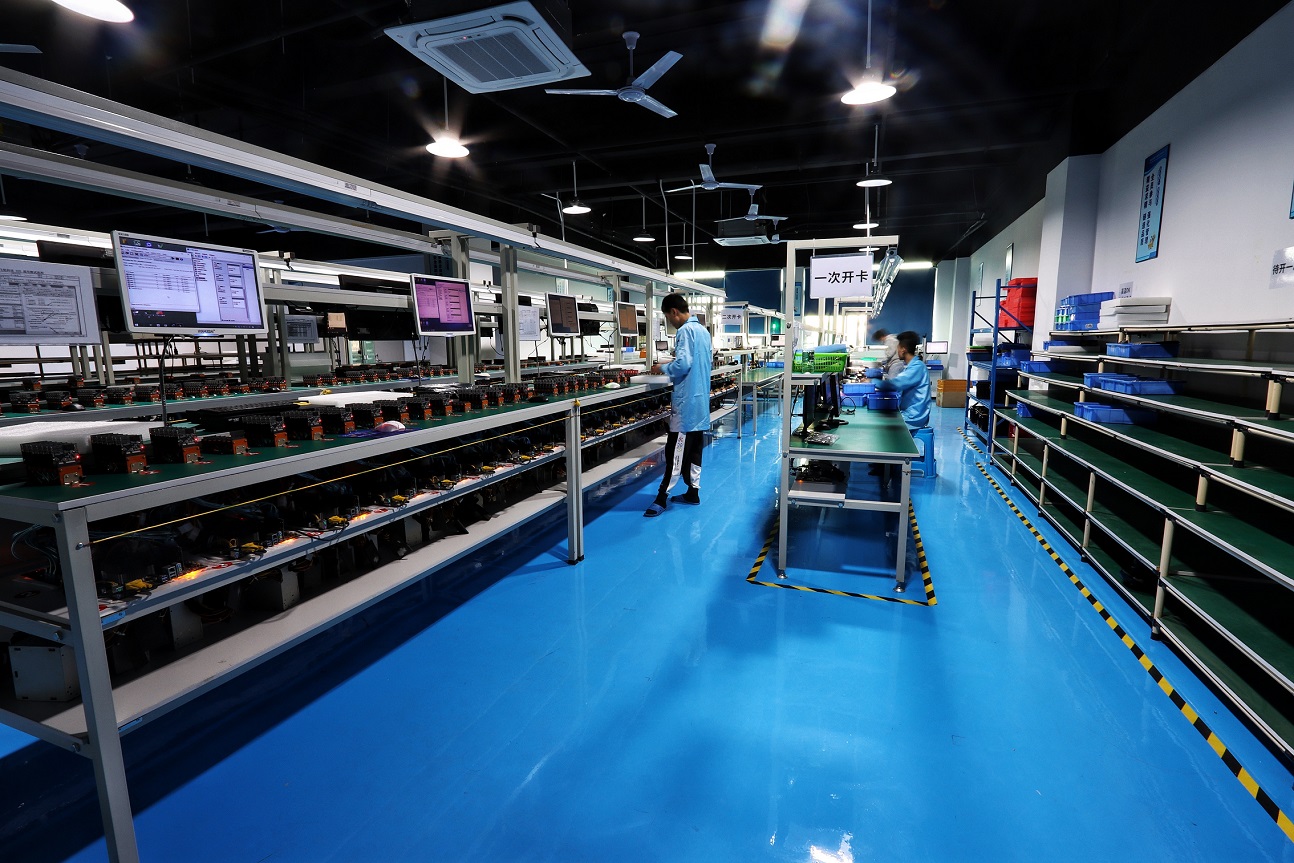
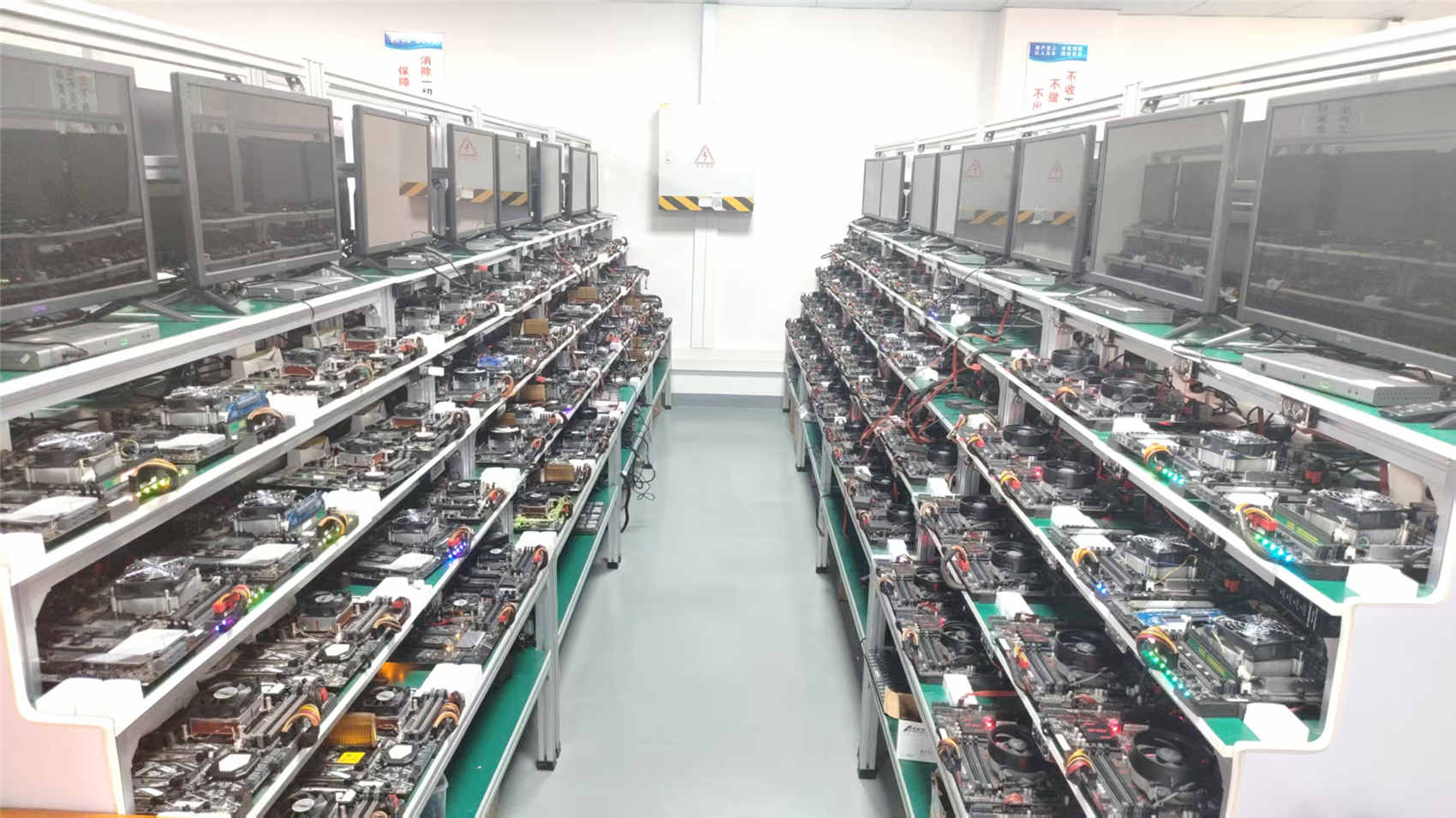

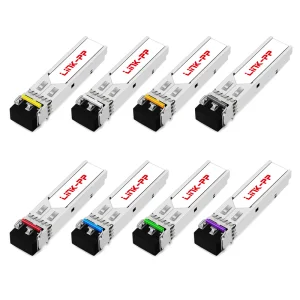
From standard BiDi to advanced CWDM, DWDM, and LWDM wavelength solutions, these modules optimize fiber efficiency for Sri Lankan system integrators.
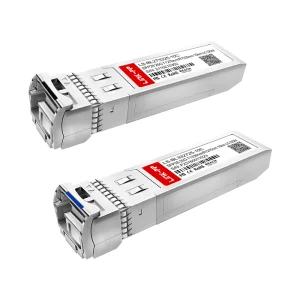
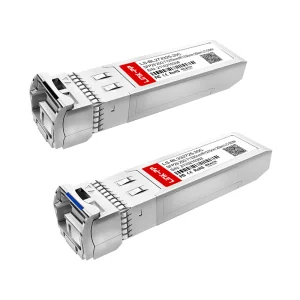
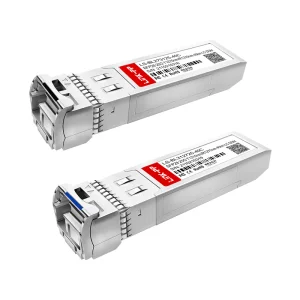
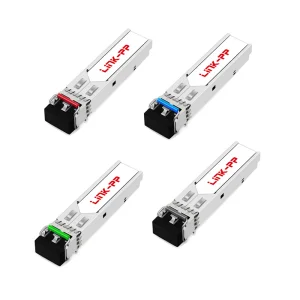
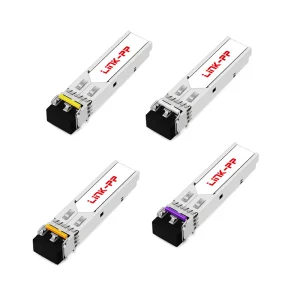
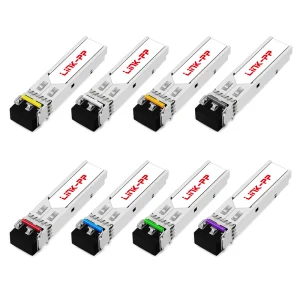
Engineered to excel in regional environments with technical adaptations for power fluctuations and climatic challenges.
High-frequency trading environments and banking infrastructure demand zero-packet-loss transport. Using our 25G DWDM/CWDM SFP28 modules allows financial institutions to build high-capacity, low-latency private networks across the capital, safeguarding data integrity with integrated DDM monitoring.
As local operators scale up 5G towers in Kandy, Galle, and Colombo, our BiDi SFP28 transceivers halve the required fiber resources by transmitting and receiving signals over a single strand. This optimization cuts leasing expenses and simplifies outdoor physical distribution hubs.
Maritime logistics terminals require ultra-rugged communication equipment. Industrial-grade temperature SFP28 modules function reliably in seaside network enclosures, resisting degradation from salt fog, moisture, and high temperatures.
Technical answers to key procurement and installation queries for 25G/32G SFP28 transceivers in Sri Lanka.
10G SFP+ links cannot handle the bandwidth requirements of 5G fronthaul architectures (eCPRI) and modern virtualized core data systems. Upgrading directly to 40G requires QSFP+ modules, which use four parallel lanes, necessitating brand-new optical fibers and bulkier hardware. SFP28 operates on a single channel of 25 Gbps, allowing telecom companies to utilize existing SFP+ fiber patch panels. This transition increases bandwidth by 2.5 times while keeping power consumption, rack footprint, and overall capital expenditure low.
Yes. All Dynafiber SFP28 transceivers undergo specialized compatibility testing in our engineering lab. We write customized EEPROM firmware to match key brands like Cisco, Huawei, Juniper, Arista, HP, and Dell. During checkout or negotiation, buyers can specify their target switch hardware, and our engineers configure the optical modules to bypass firmware locks and prevent system warnings.
While they share the same physical shape and dimensions, they operate on different communication protocols. SFP28 25G is primarily designed for Ethernet traffic in standard local area networks (LAN) and data centers. In contrast, 32G SFP28 is designed specifically for Fibre Channel (FC) Storage Area Networks (SAN). The 32GFC standard runs at 28.05 Gbps line rate and uses specialized encoding to guarantee lossless transmission, crucial for high-speed database replication in banking systems.
Sri Lanka's tropical climate features high humidity and ambient temperatures that can cause heat to build up inside sealed outdoor cabinets. Standard commercial-grade modules operate from 0°C to 70°C. If internal temperatures exceed this, the laser's performance degrades, causing transmission errors. For outdoor or uncooled cabinets, we offer industrial-grade SFP28 transceivers designed to operate reliably from -40°C up to 85°C, ensuring a longer service life and fewer link interruptions.
Standard duplex optical modules require two separate fiber strands: one to transmit data (Tx) and one to receive data (Rx). BiDi modules utilize Wavelength Division Multiplexing (WDM) to transmit and receive signals at different wavelengths (e.g., 1270nm and 1310nm) over a single optical fiber. This allows network operators to double their capacity using their existing fiber routes, avoiding the high cost of laying new optical fiber lines.
Get direct support from Dynafiber's optical engineers. We provide custom compatibility encoding, flexible OEM/ODM options, and cost-effective bulk shipping options to Sri Lanka and international markets.