Dynafiber
Dynafiber
Dynafiber
Explore our foundational transmission and connectivity line designed for OEM network card architectures, standardizing ultra-low latency optical link capabilities.
Decade-long legacy of engineering cutting-edge network interfaces, optical transceivers, and high-frequency communication infrastructure.
Dynafiber Optical Technology Co., Ltd. was established in 2016, specializing in the research, development, manufacturing, and global supply of high-performance optical transceiver modules and fiber optic communication solutions. With a modern production facility covering 28,600㎡, Dynafiber has developed strong capabilities in optical communication technologies, supporting customers worldwide with reliable, scalable, and customized networking products.
Our extensive capability allows us to offer completely verticalized solutions for Network Interface Cards (NICs), starting from basic PCB layout, high-frequency signal integrity tuning, PHY-to-controller pathing, to advanced heat sink customization and firmware development.
In the past year alone, Dynafiber launched 180 new products, covering advanced optical transceiver categories such as SFP, SFP+, QSFP, QSFP28, QSFP-DD, DAC, AOC, and high-speed data center optical solutions.
A dedicated quality control team of 65 engineers and inspectors ensures that every manufactured network card and optical product exceeds the rigorous demands of enterprise networking environments.
How Modern Network Interface Cards (NICs) act as the backbone for hyperscale compute environments and industrial networks worldwide.
The relentless growth of cloud platforms demands physical NICs that can process up to 100G/200G/400G line rates per channel. This requires integrated optical modules and robust RJ45 connections operating with low packet-loss ratios under massive thermal strain.
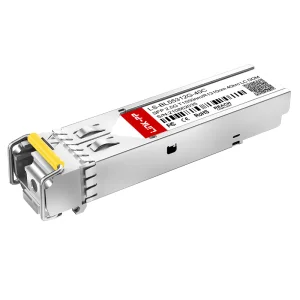
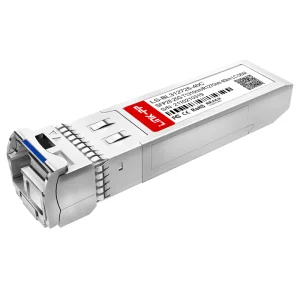
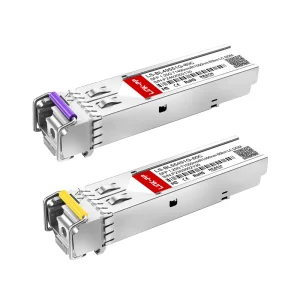
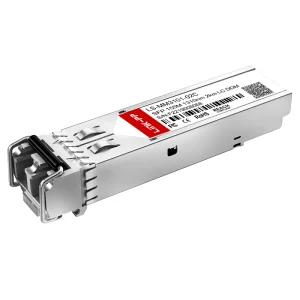
Decentralized nodes require industrial-grade SFP/SFP+ Bidi modules to guarantee bi-directional communication over single fibers, dramatically lowering fiber leasing and installation costs at the regional edge.
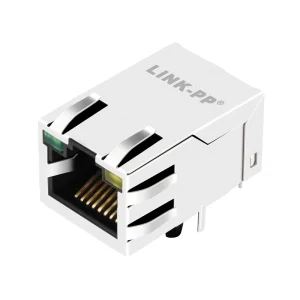
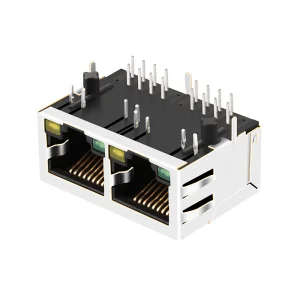
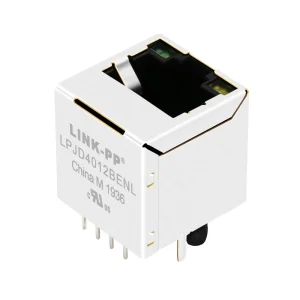
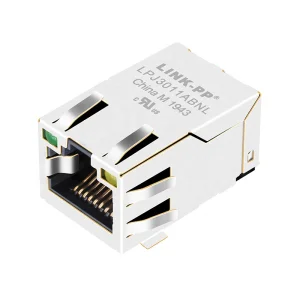
With factory floors upgrading to gigabit ethernet architectures, integrated components such as low-profile inverted RJ45 jacks with built-in magnetic filters protect internal PCIe NIC ASICs from high electromagnetic interference (EMI).
Deploying specialized high-performance network interface units across diverse industrial and geographical environments.
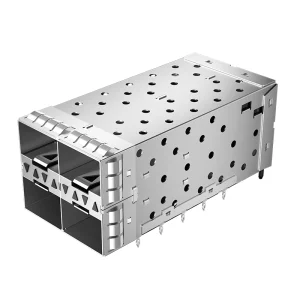
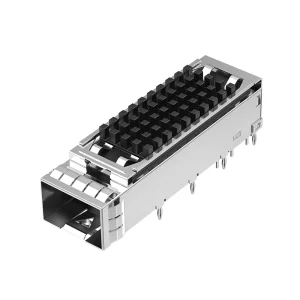
A major cloud computing facility required an immediate upgrade to 25G/50G client connectivity. By deploying custom low-latency SFP28 25G BiDi modules alongside custom-engineered SFP+ ganged cages (with structural thermal heat sinks), the operator reduced port heat signatures by 18% while guaranteeing 40km loopbacks over standard single-mode fiber.
Standard network cards fail when deployed in harsh conditions like outdoor cell towers, edge telecom boxes, or industrial manufacturing floors. Custom OEMs must plan for localized factors:
How we scale our components and assemblies to support next-generation networking protocols, AI workloads, and optical integration.
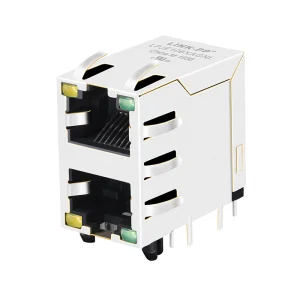
Perfecting SFP28 BiDi, QSFP28, and PCIe Gen 4 system integration. Maximizing thermal management for SFP+ cages and multi-port vertical RJ45 jacks.
Scaling production of QSFP-DD, OSFP packaging configurations, and low-profile high-speed optical transceivers. Integration of DSP-based error correction.
Providing custom structural design for PCIe Gen 5 network processing units containing onboard ARM/FPGA processing blocks and specialized offloading engines.
Moving physical optical interfaces closer to the switch silicon or host processor, reducing power consumption by up to 30% and eliminating signal transmission lines.
Operating from our state-of-the-art facility, Dynafiber represents the modern paradigm of high-precision Chinese electronics manufacturing. Our customers benefit from a highly verticalized cluster of supply chain networks.
By coordinating with over 1,200 verified supply chain partners, we eliminate traditional bottlenecks in raw materials, optical sub-assemblies (TOSA/ROSA), precision injection molds, and copper alloy plating. This allows us to guarantee consistent lead times, even for custom structural revisions on SFP cages and multi-port RJ45 connectors.
Ensuring frictionless importing, compliance auditing, and hardware deployment across North America, Europe, and Asia.
All transceivers, connectors, and customized network interface assemblies conform to CE, FCC, RoHS, and REACH directives. Our manufacturing lines align with ISO 9001 and ISO 14001 quality systems.
We supply comprehensive HS code classification, detailed commercial packing lists, certificates of origin, and custom customs declarations. This ensures smooth passage through major shipping hubs globally.
For custom OEM design contracts, we establish a dedicated service channel. R&D engineers are on call to debug firmware configurations, optical transceiver EEPROM tuning, and diagnostic link anomalies.
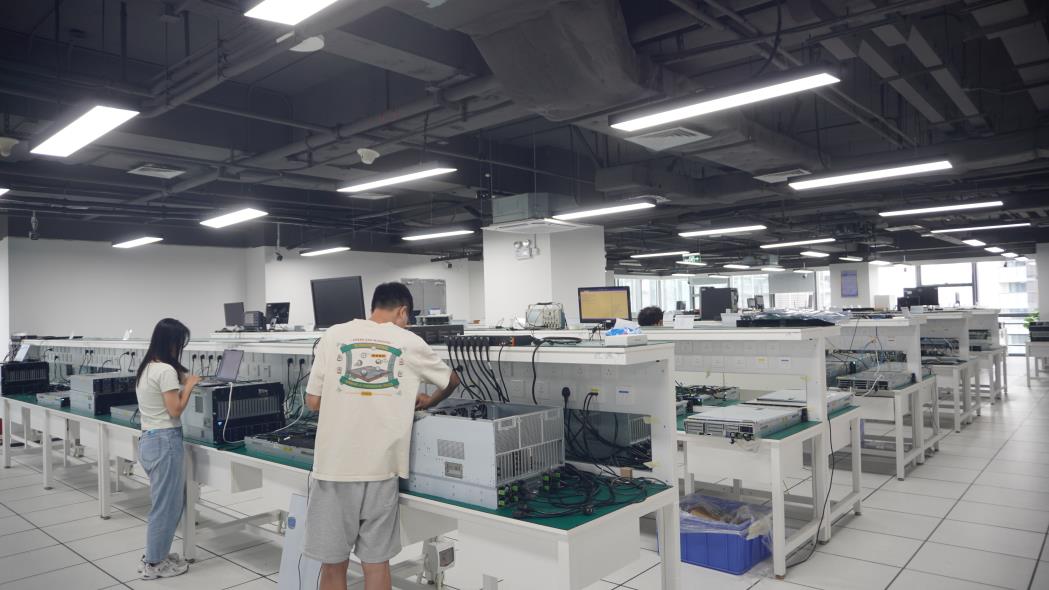
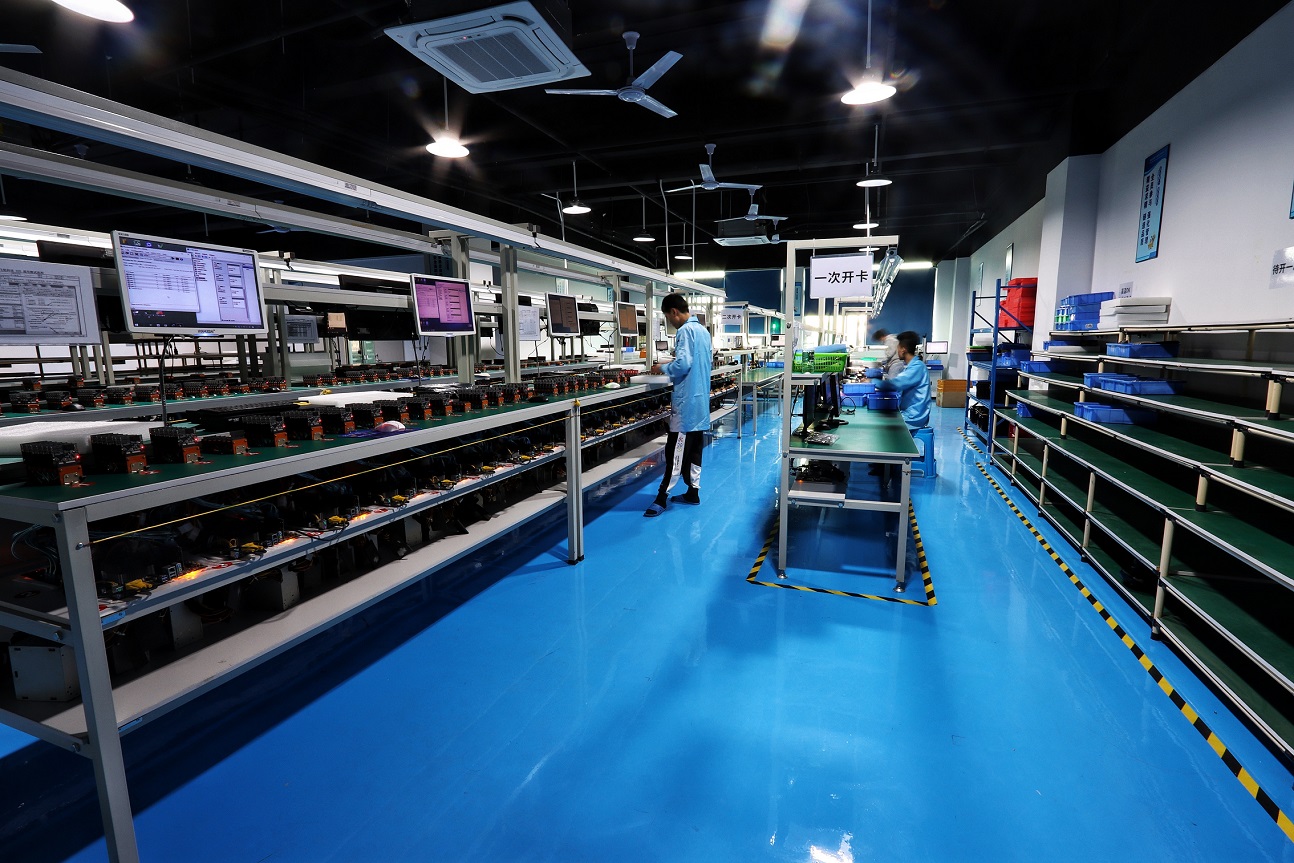
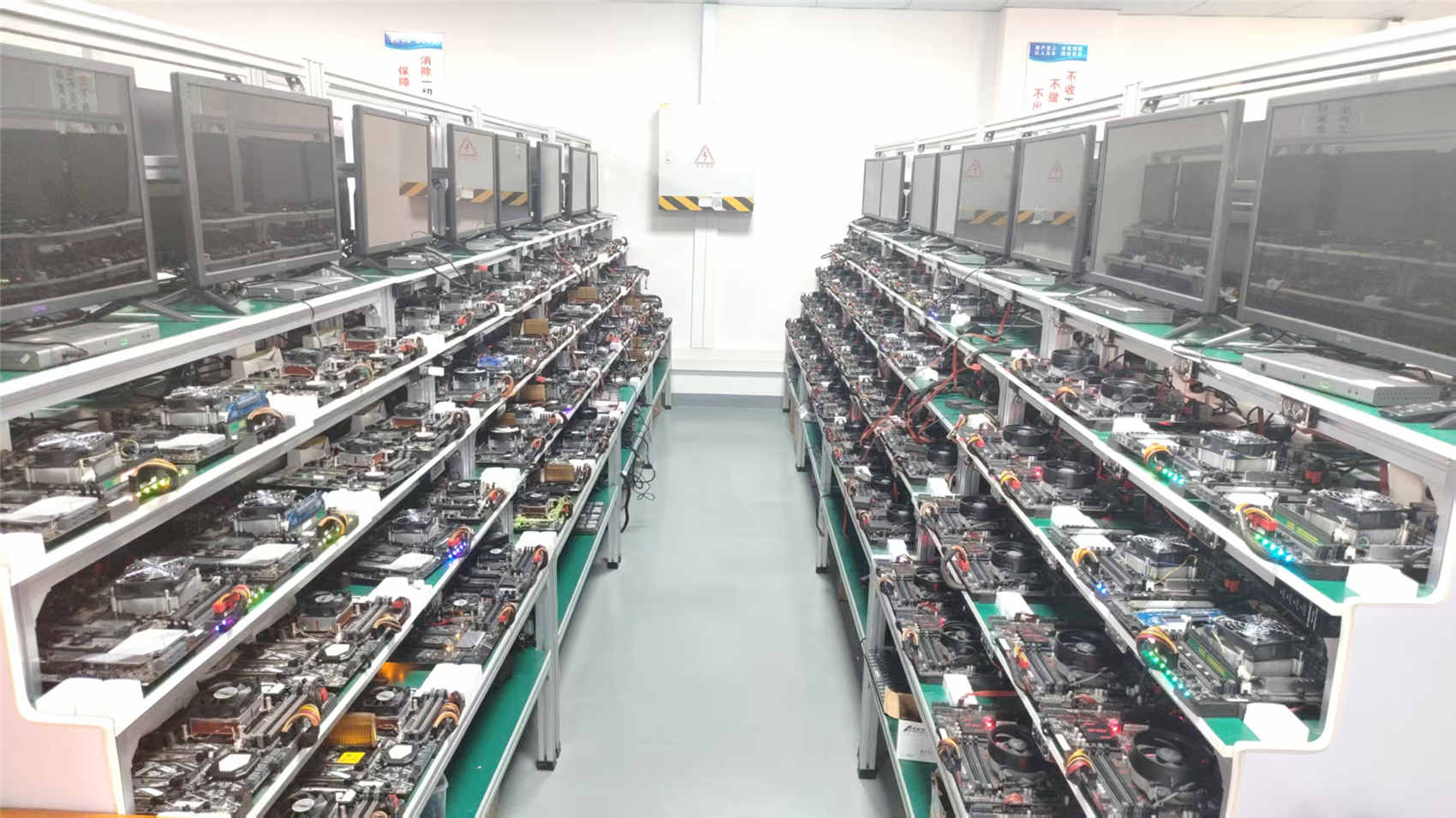
Inside our 28,600㎡ modern manufacturing center where quality meets cutting-edge networking engineering.

Answers to critical questions regarding hardware specifications, system compatibility, and factory customization.
A: We maintain an extensive hardware compatibility database and verification center. Every transceiver module's EEPROM is coded, tested, and validated on native host hardware (including Cisco, HPE, Intel, and Mellanox platforms). This process minimizes handshake errors, packet drops, and reporting failures under high load conditions.
A: As a comprehensive OEM manufacturer, we support adjustments to PCB trace positioning, customized structural dimensions for brackets (low-profile or full-height), variable port spacing, and custom-molded heat sinks to cope with tight airflows in high-density rack units.
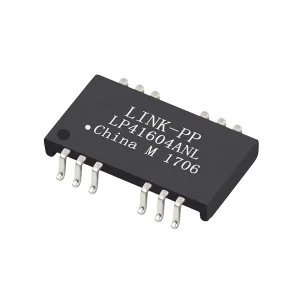
A: Products like our H81621S Lan Filter act as electrical isolators and band-pass filters. They block high-frequency common-mode noise and protect the PHY controller chip from high electrostatic discharges (ESD) or surges on long copper cable lengths, ensuring minimal bit errors.
A: 2.5G rates offer a cost-effective performance upgrade path for broadband access networks, WiFi 6 access points, and regional switches. It utilizes existing optical fiber infrastructure while increasing throughput by 150% without requiring costly moves to 10G SFP+ equipment.
A: All products are produced under ISO 9001 guidelines and carry CE and FCC declarations. We strictly comply with RoHS and REACH standards, ensuring all raw plastics, solder points, and PCB coatings are free of harmful chemicals and easy to import.
A: Standard component shipments are processed immediately from inventory. For custom PCB assembly, specialized metal cage press-fitting, or custom EEPROM coding, typical design-to-delivery lead times range from 3 to 6 weeks, supported by our robust network of 1,200+ local partners.
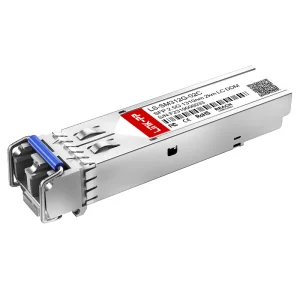
Complete your custom NIC configuration with our robust cage components, vertical RJ45 jacks, and long-range transceivers.