Dynafiber
Dynafiber
Dynafiber
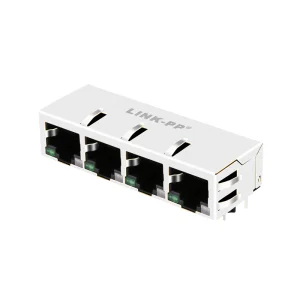
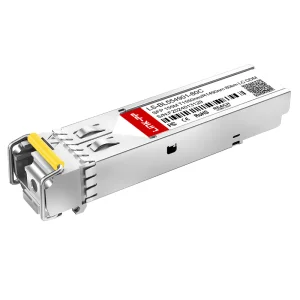
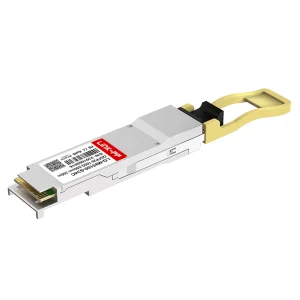
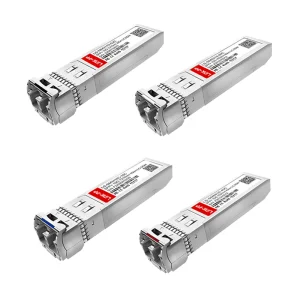
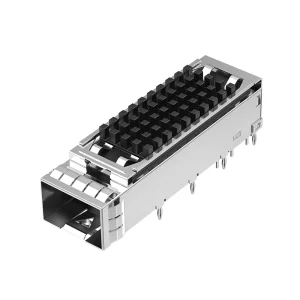
As global data traffic continues to surge, driven by AI workloads and 5G deployment, the demand for high-density networking hardware has reached an all-time high. Compact SFP (CSFP) connectors and modules represent a critical leap forward in optimizing front-panel density.
The global shift toward Edge Computing and hyper-scale data centers has necessitated hardware that can handle double the port density without increasing the physical footprint. CSFP technology allows for two bidirectional channels in the same space as a traditional SFP port.
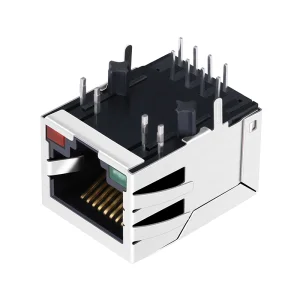
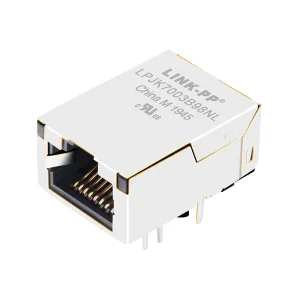
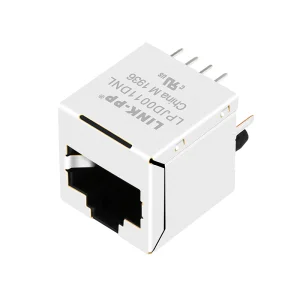
Modern Compact SFP connectors utilize advanced signal integrity measures to prevent EMI (Electromagnetic Interference) and crosstalk. As an OEM manufacturer, Dynafiber focuses on Low Insertion Loss and high thermal stability to ensure 24/7 reliability in industrial environments.
From Metropolitan Area Networks (MAN) to Fiber-to-the-Home (FTTH) central offices, CSFP solutions are reducing the capital expenditure (CAPEX) for telecom operators by maximizing existing rack space efficiency.
Established in 2016, Dynafiber Optical Technology Co., Ltd. has rapidly emerged as a leader in the research, development, and manufacturing of high-performance optical transceiver modules. Our 28,600㎡ state-of-the-art facility is a testament to our commitment to scaling global communication infrastructure.
With 12 years of industry experience and 7 years of specialized export expertise, we bridge the gap between complex engineering requirements and cost-effective mass production. Our annual export revenue of USD 18.6 million underscores our position as a trusted partner for global telecom operators and system integrators.
We don't just manufacture connectors; we provide Information Gain through customized firmware, signal optimization, and rigorous reliability testing that exceeds industry standards like Telcordia and IEEE.

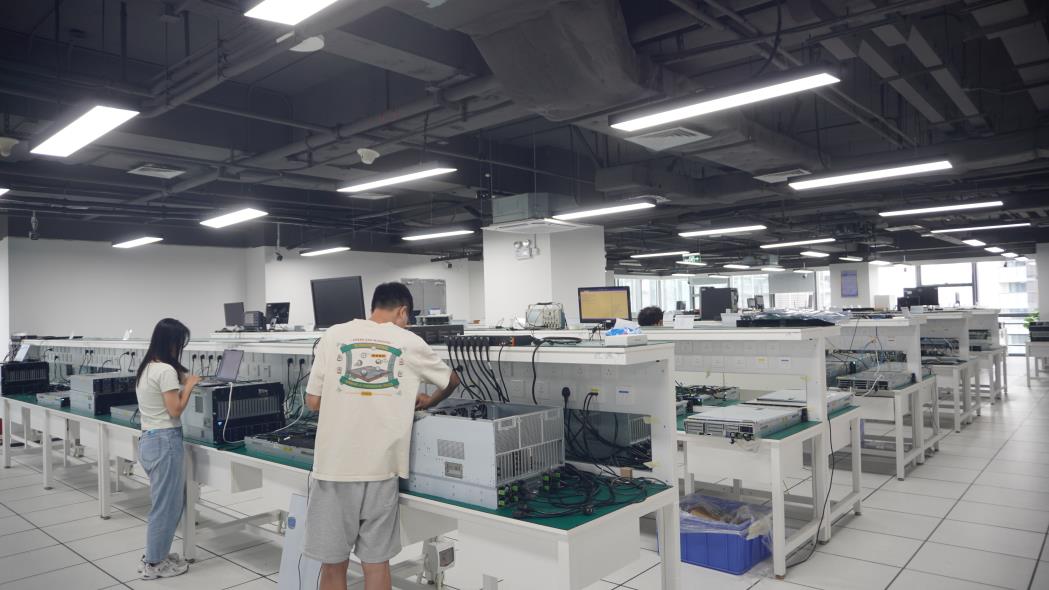

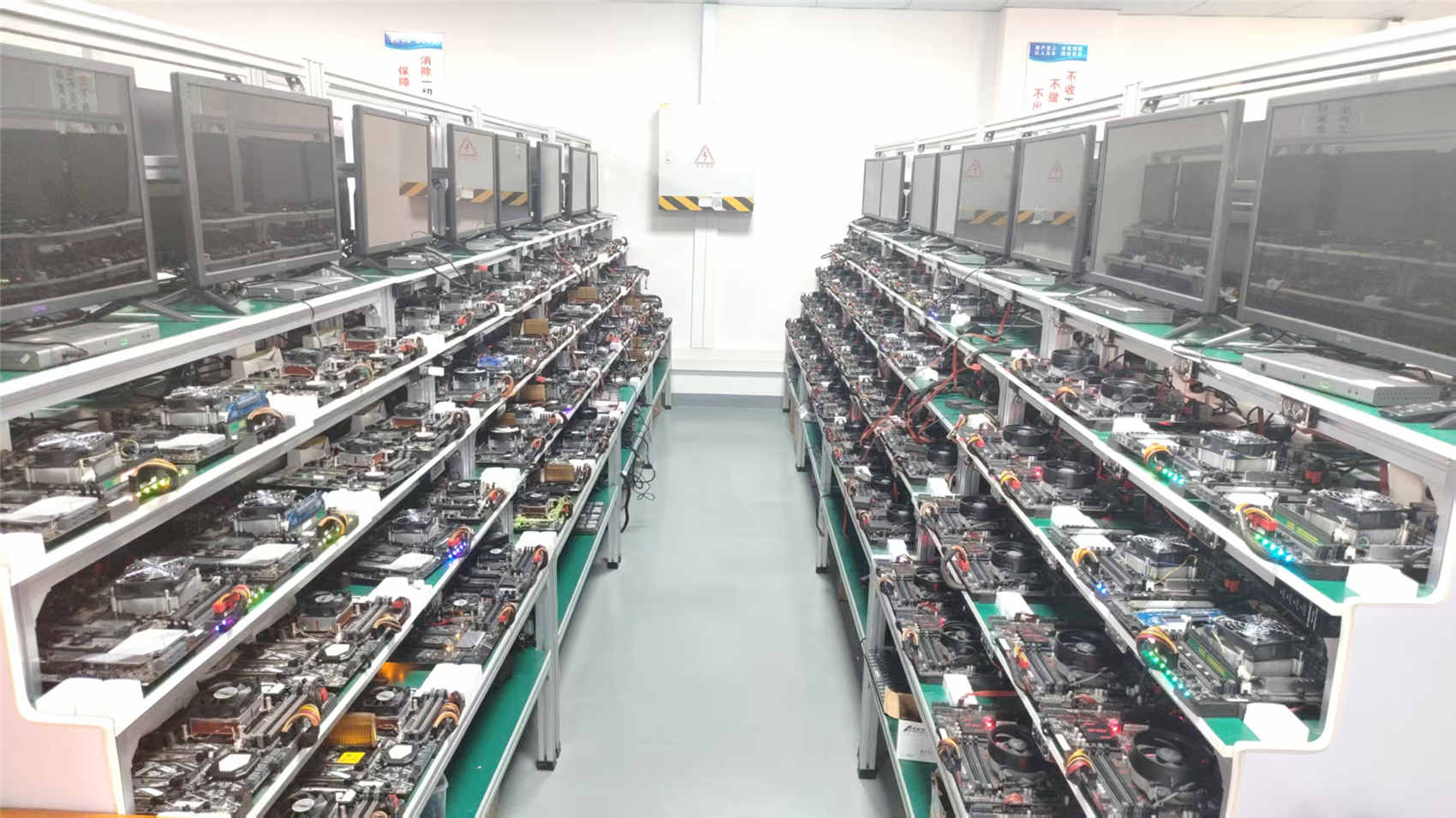
Dynafiber leverages the "Smart Factory" model to ensure supply chain resilience and consistent product quality for our global OEM/ODM partners.
We utilize AOI (Automated Optical Inspection) and automated alignment systems. This minimizes human error in the delicate assembly of SFP cages and optical sub-assemblies (OSA), ensuring that every unit meets the same high-performance benchmark.
By partnering with over 1,200 local and international suppliers, Dynafiber mitigates geopolitical and logistical risks. Our "Buffer Stock" strategy for critical components ensures that OEM orders are fulfilled even during global semiconductor shortages.
Our integration of vertical manufacturing—from PCB assembly to final casing and firmware loading—allows us to offer a 30% faster time-to-market than traditional decentralized manufacturers.
The difference between a standard connector and a Dynafiber-engineered solution lies in the minute details of signal integrity and thermal management.
Our R&D team of 260 engineers focuses on the following technical pillars to provide massive information gain for our clients:

How our CSFP and SFP connectors are solving real-world challenges across diverse industries.
In high-frequency trading environments, every microsecond counts. Our low-latency SFP+ modules and connectors ensure high-speed data throughput with minimal packet loss.
Modern hospitals require massive bandwidth for real-time imaging and remote surgery. Our EMI-shielded connectors prevent interference with sensitive medical equipment.
Designed for the "Ruggedized Edge," our wide-temperature range modules function perfectly from -40°C to +85°C, making them ideal for smart factory automation and outdoor surveillance.
The CSFP doubles the port density. It integrates two independent channels into a single SFP-sized footprint, allowing network equipment manufacturers to design switches with twice the port count in the same 1U rack space.
Yes. Our R&D team specializes in firmware customization. We can code our modules to be recognized by any major networking brand's operating system, ensuring no "unsupported transceiver" errors.
Our facility is ISO 9001 and ISO 14001 certified. Every product undergoes a rigorous testing protocol, including automated optical performance testing, 48-hour aging tests, and compatibility verification in a real-switch environment.
Absolutely. We provide full OEM/ODM services, including laser-etched logos on the connector housing, custom-designed labels, and retail or bulk packaging tailored to your brand's requirements.
For standard configurations, lead times range from 1-2 weeks. For highly customized designs requiring new molds or unique PCBA layouts, the timeline usually ranges from 4-8 weeks, depending on complexity.