Dynafiber
Dynafiber
Dynafiber
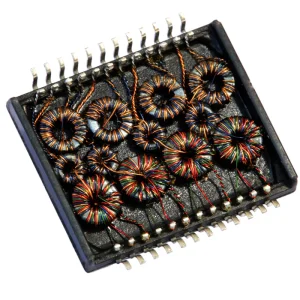
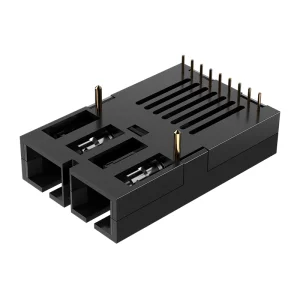
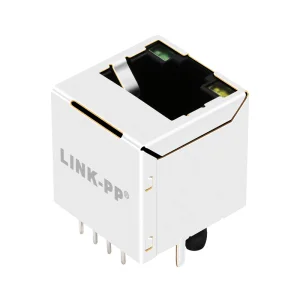
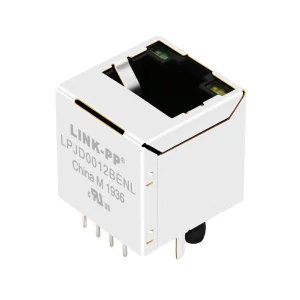
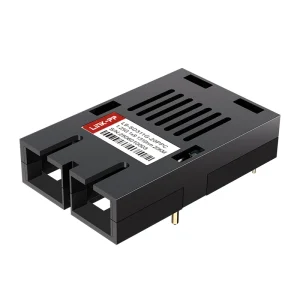
Examine our certified optical modules, LAN transformers, and RJ45 connection interfaces designed to work alongside enterprise-grade data distribution paths.
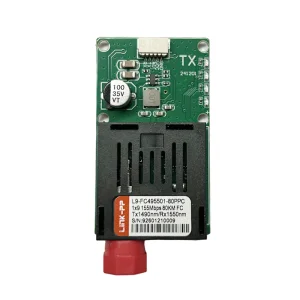
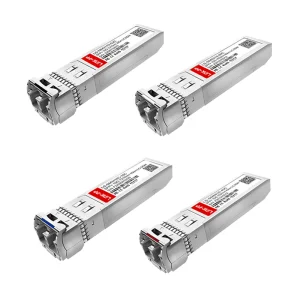
Dynafiber Optical Technology Co., Ltd., established in 2016, is a premier manufacturer specializing in the research, development, and global distribution of advanced optical transceiver modules, LAN components, and structured cabling interfaces. With a core focus on passive and active physical-layer infrastructure, Dynafiber serves telecommunications operators, cloud datacenters, system integrators, and industrial network suppliers across the globe.
Building upon 12 years of industry manufacturing experience and 7 years of direct export credentials, we maintain operational agility through a strong vertical supply chain structure. This enables us to maintain low latency in product delivery and guarantee stable components sourcing for bulk OEM/ODM distributions.
"Quality assurance at Dynafiber is built directly into our process flow. Our dedicated QC division of 65 inspectors conducts rigorous automated testing including optical performance validation, thermal cycle screening, and signal integrity analysis. This systematic approach guarantees that every single connection point we ship will hold up under long-term industrial workloads."
Understanding the physics of signal splitting, crosstalk, and physical layer limitations in high-performance networking.
Conventional Fast Ethernet (100Base-TX) operates on only 4 of the 8 wires within an RJ45 Ethernet run (Pins 1, 2, 3, and 6). By remapping these copper pairs, a passive splitter divides a single 8-wire physical cable into two discrete circuits. However, this caps speed limits to 100 Mbps per port and is incompatible with 1000Base-T (Gigabit Ethernet) structures which require active magnetic encoding across all 4 differential pairs.
Splitting signals within close physical proximity subjects network paths to Near-End Crosstalk (NEXT) and Far-End Crosstalk (FEXT). Premium splitters use balanced transformer configurations and internal metal shielding components to limit EMI. Precision impedance matching (100 ohms ±15%) is essential to prevent return loss and signal attenuation.
Power over Ethernet (802.3af/at/bt) utilizes phantom power techniques across specific differential pairs. Passive Ethernet splitting disrupts standard PoE negotiation protocols since split cables do not support Alternative A/B pair allocations concurrently. Specialized active hardware or precise magnetic coupling transformers are required to safely bridge divided lines under operational electrical load.
| Feature Parameter | Passive RJ45 Splitter (1-to-2 Pair) | Active Network Switch | High-Speed Transceiver / Fiber Extender |
|---|---|---|---|
| Maximum Bandwidth | 100 Mbps per line (limits 1000Base-T down to 100Base-TX) | Up to 10 Gbps / 100 Gbps per port | 25 Gbps to 100 Gbps (via SFP28/QSFP28 interfaces) |
| Power Requirement | None (完全无源) | AC/DC Mains or PoE Input required | Direct system transceiver port power draw |
| Cabling Limitations | 100m maximum copper loop length limit | 100m copper limit; scalable over miles with fiber uplinks | Supports up to 10km (SFP28 LR) or 80km (Bidi modules) |
| Crosstalk Performance | Highly dependent on shielding and internal pin routing | Zero crosstalk; packets are processed in isolated buffers | Zero electromagnetic crosstalk (optical wave path isolation) |
| Cost Profile (CAPEX) | Extremely Low (Ideal for legacy quick-fix retrofitting) | Moderate (Requires continuous energy cost + active hardware) | High-investment hardware optimized for structural backbones |
Addressing complex sourcing challenges and standardizations across global telecom and distribution operations.
Enterprise sourcing managers must navigate high-density hardware installations where failure at the single connector level cascades into massive network disruptions. Sourcing reliable Ethernet splitters, transformers, and optical links requires validating hardware design integrity at the design phase. Sourcing agents demand components that feature:
Pulling new structured cabling lines in historic buildings, operational facilities, or massive distribution plants is often cost-prohibitive. Structured cabling technicians deploy high-quality passive splitters and localized transceivers as physical channel multiplexers. This strategy allows operators to leverage current Cat5e/Cat6 conduits, achieving immediate capacity expansion without the expensive labor and permitting costs involved in laying new copper lines.
How Dynafiber leverages automated production, raw-material security, and engineering depth to stabilize your components pipeline.
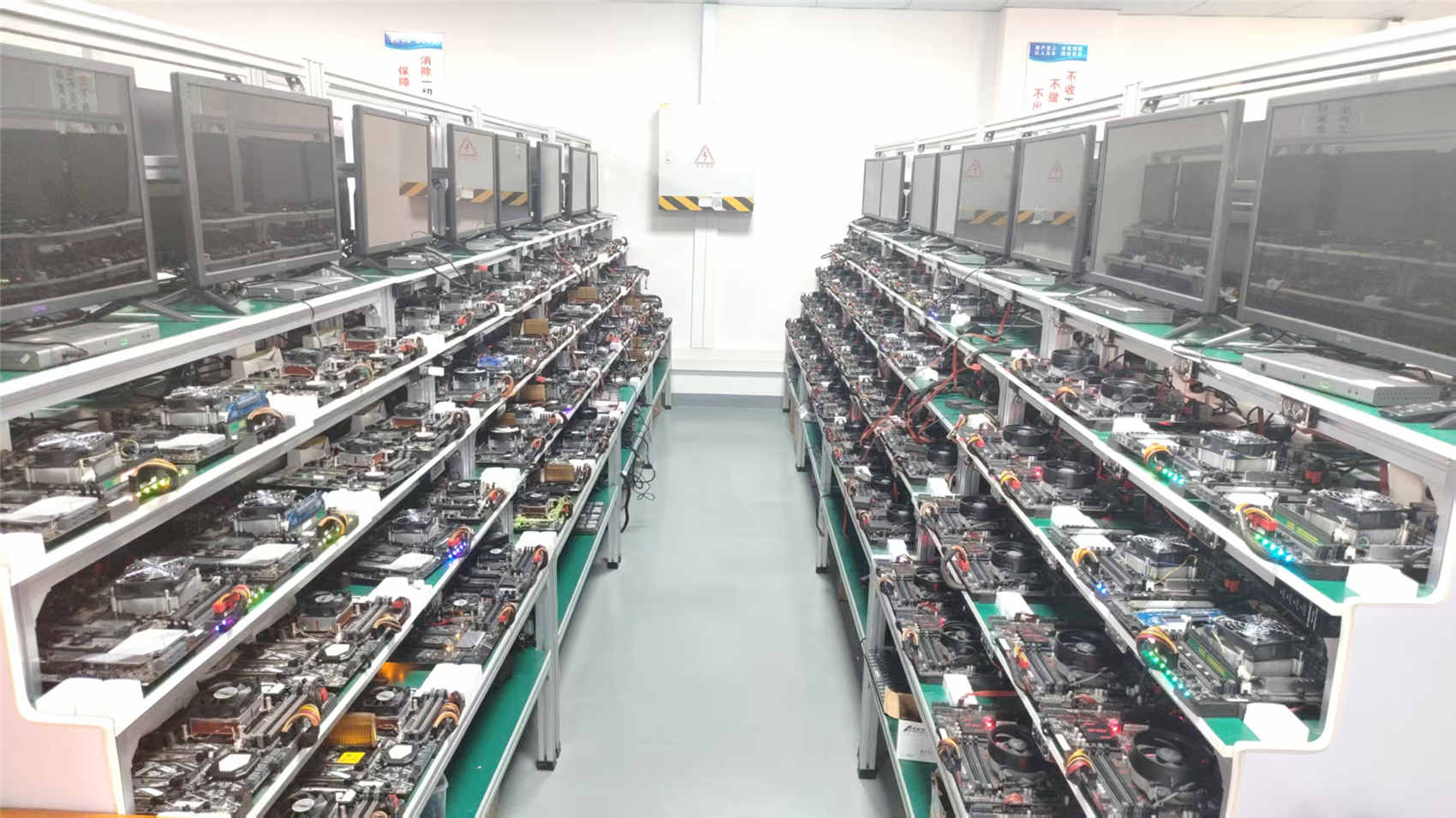
Dynafiber implements Automated Optical Inspection (AOI), Bit Error Rate (BER) testing, and environmental stress chamber profiling. Automating our testing routines eliminates human error, ensuring that every batch of LAN transformers and optical modules performs as specified.
By keeping cooperative contracts with over 1,200 verified supply chain partners, we buffer our manufacturing flow against component shortages. This keeps our production floor supplied with quality raw copper wire, magnetic cores, optical diodes, and circuit boards.
Supported by 260 design engineers, we translate client specifications into production runs. We provide custom pin-outs, tailored shielding properties, specialized network transformer designs, and custom firmware profiles for optical transceiver compatibility.
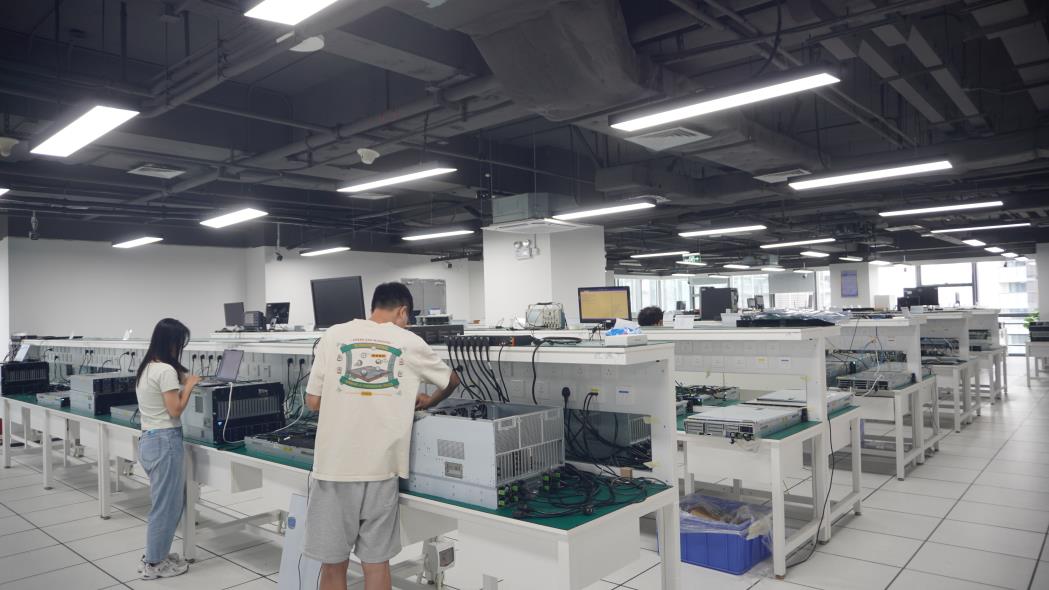
Our production floor integrates modern assembly technology with rigorous testing benches. This infrastructure handles bulk manufacturing runs while maintaining tight quality controls for specialized optical interfaces and connector accessories.
Real-world deployment paths where specialized splitting and signal isolation components are necessary.
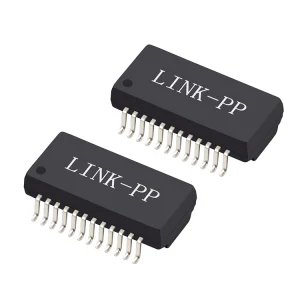
In massive distribution warehouses, installing independent copper cable runs for every overhead IP camera and tracking scanner sensor is highly inefficient. System integrators deploy passive RJ45 splitters to run dual surveillance points off a single Category drop. The signal paths are stabilized through integrated LAN transformer modules (such as our HN24018G series) to safeguard the link from potential electromagnetic interference caused by nearby high-voltage sorting machinery.
Commercial building operators face space constraints in historic riser shafts. By utilizing 100Base-TX physical splitter pairs, administrators can double their desktop drops without having to snake more cable through tight conduit pathways, allowing them to defer expensive infrastructure upgrades.
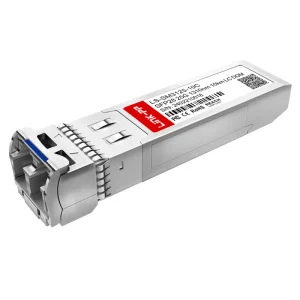
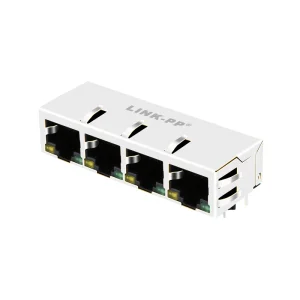
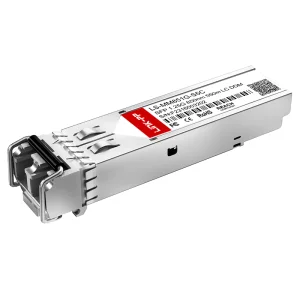
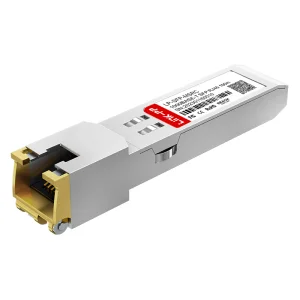
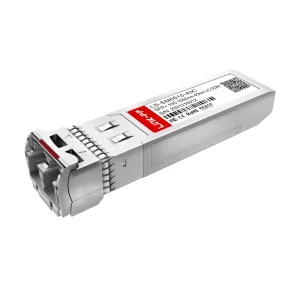
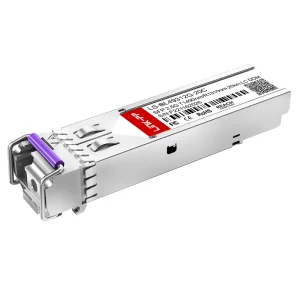
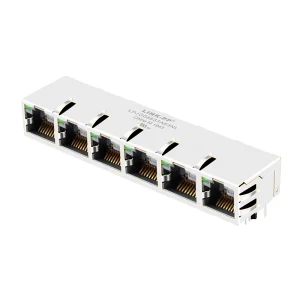
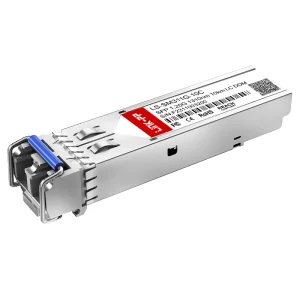
In optical-to-copper conversion sites, managing multiple single-point drops requires high-density RJ45 connectors with integrated magnetics. Combining our vertical RJ45 jacks with high-performance optical transceiver modules (like the *1.25G/10G SFP* transceivers) allows telco operators to maintain signal conversion standards while maximizing space-efficiency in their server racks.
When combining passive physical splitters with fiber media converters, verify that the transceiver auto-negotiation matches the split speed. Forcing 100Mbps Full Duplex on both endpoints prevents collision drops.
Our engineering team answers common questions regarding hardware design, performance limits, and network compatibility.
Review our long-haul optical modules and multi-port board connectors for high-density networking switchboards.
Take a virtual tour of our 28,600㎡ manufacturing environment, quality inspection setups, and finished hardware stocks.