Dynafiber
Dynafiber
Dynafiber
Analyzing key physical-layer technologies, power injection architectures, and the vital role of premium components in carrier-grade deployments.
The global transformation of network architectures requires the simultaneous transmission of high-bandwidth data and reliable electrical power over a single copper Ethernet cable. Power over Ethernet (PoE) technology has moved far beyond low-wattage IP cameras and basic VoIP phones. With the implementation of the IEEE 802.3bt (PoE++) standard, modern PoE injectors deliver up to 90W to 100W of power, driving next-generation PTZ cameras, industrial IoT gateways, high-capacity wireless access points, and remote digital signage networks.
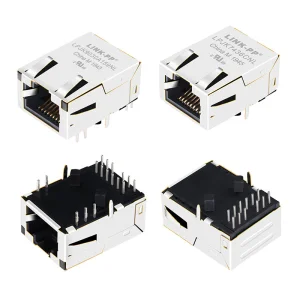
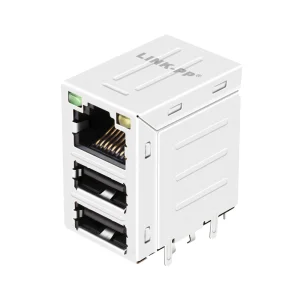
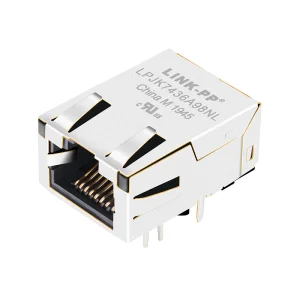
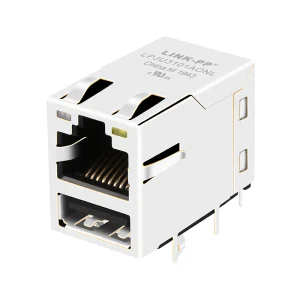
Achieving this level of power transfer without compromising signal integrity requires an end-to-end understanding of electrical properties. As power loads increase, magnetic saturation, DC resistance unbalance, and insertion losses within RJ45 connectors become critical bottlenecks. Industrial installations demand components with specialized low-contact resistance, excellent thermal management, and robust electromagnetic interference (EMI) shielding.
A high-quality PoE injector must manage two electrical states simultaneously: AC high-frequency differential signal data transmission and DC high-current common-mode power injection. This balance is maintained by the transformer magnetics integrated inside the injector or modular RJ45 socket.
Leveraging 12 years of core industry expertise, modern production space, and an engineering-led approach to global optical communication and high-power networking components.
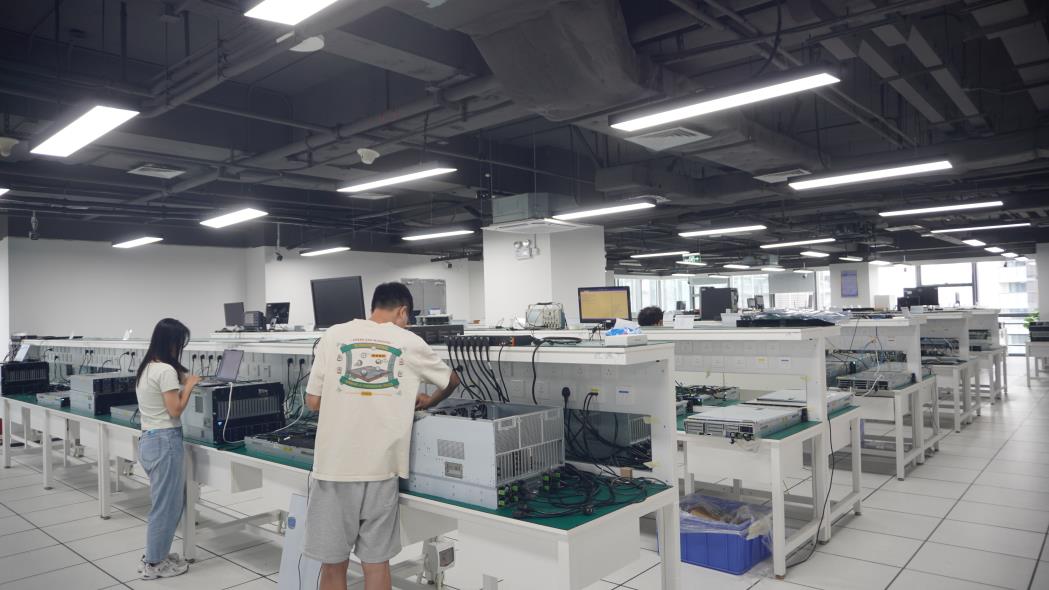
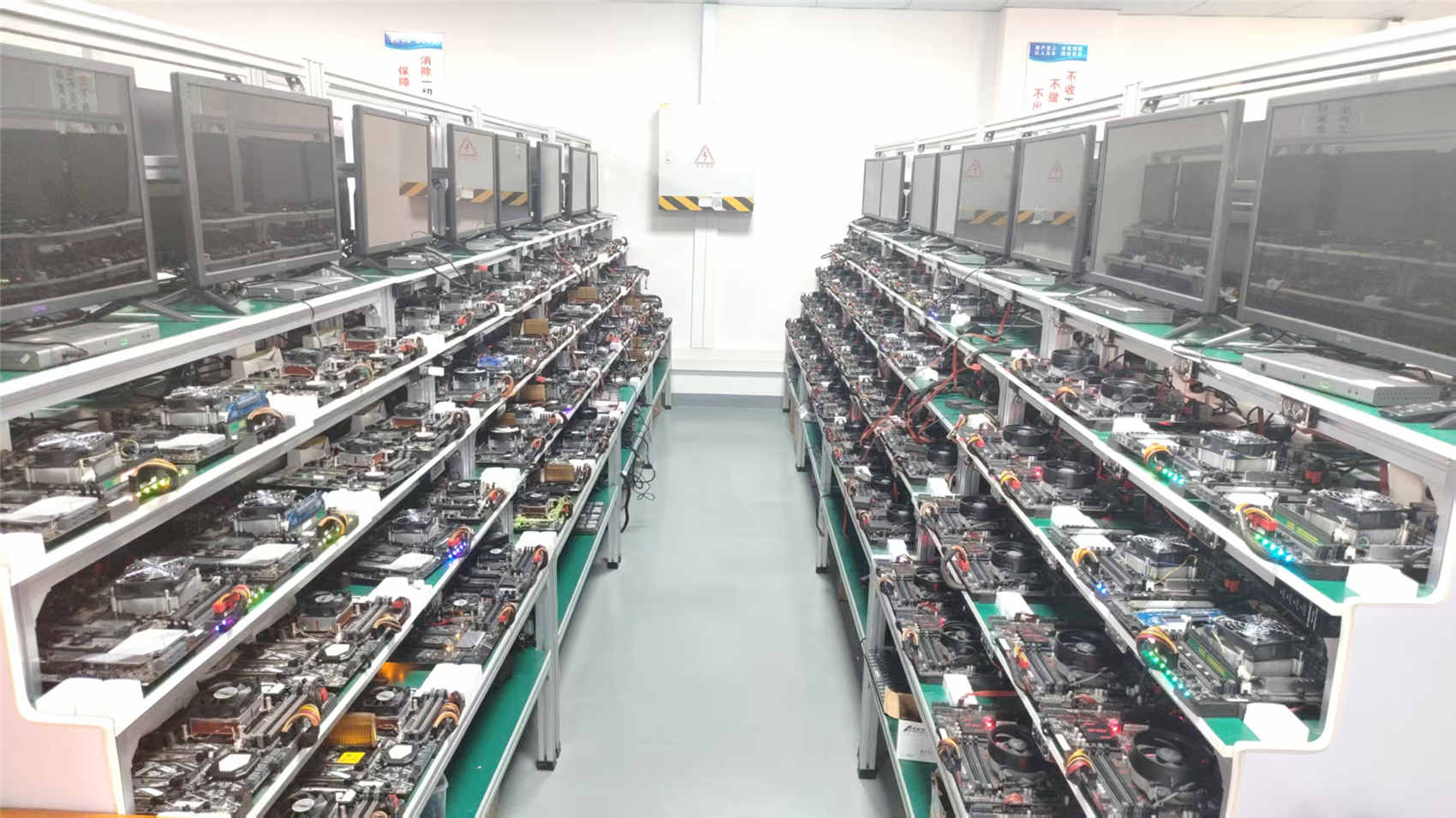
At Dynafiber Optical Technology Co., Ltd. (established in 2016), quality is built directly into our manufacturing processes. Supporting an annual export revenue of USD 18.6 million, our system is optimized to meet the high standards of global telecommunication companies and enterprise providers. Our inspection processes verify every parameter to ensure long-term reliability in the field:
With 260 design and research engineers, Dynafiber develops specialized modules, customized high-density RJ45 interfaces, and transceiver units for diverse applications. Whether your system requires custom copper pin plating thickness (up to 50u" gold plating) for harsh industrial locations, integrated LED layouts for port diagnostics, or custom firmware configurations, our R&D team provides complete engineering support. Over the past year, we have introduced 180 new products, helping our clients keep pace with changing standards in SFP, QSFP, and advanced copper PoE systems.
Combining raw material access, specialized component fabrication, and automated assembly to deliver cost-effective and highly reliable hardware.
The manufacturing ecosystem in China offers unique advantages for high-performance network hardware. From early-stage component prototyping to full scale production, Dynafiber leverages our close relationships with over 1,200 supply chain partners to source high-grade plastics, precision wound magnetics, and advanced semiconductor chipsets.
By streamlining our assembly workflows, keeping tooling design in-house, and running automated SMT lines, we reduce lead times while maintaining strict control over product quality. This structural efficiency allows us to ship reliable products globally, serving key markets in North America, Europe, Southeast Asia, the Middle East, and South America.



Ensuring absolute alignment with international regulatory frameworks to guarantee secure, seamless integration into modern infrastructure projects.
All network equipment exported by Dynafiber complies with global safety and electromagnetic directives, including CE, FCC Part 15 Class B, RoHS, and WEEE requirements. This ensures our hardware operates safely within restricted EMI profiles.
We provide localized technical assistance, customized label systems, regional packaging, and versatile product certifications tailored to local code requirements across our key markets, including Europe and North America.
Our designs integrate physical lightning protection, over-current cutoff relays, and thermal shutdowns. These features protect downstream devices and downstream optical transceivers from damage due to power fluctuations.
Detailed technical answers addressing critical parameters, system integration challenges, and component-level specifications.
In PoE architectures, the DC power is injected as a common-mode current across the center taps of the isolation transformer windings. If the physical winding is asymmetric, or if the DC loop resistance between the conductors is unbalanced, a differential DC current is created. This current can saturate the magnetic core. To prevent this, our integrated magnetics use specialized high-permeability cores with precise winding geometry. This design maintains inductance and ensures clean data transmission, even when subjected to high DC bias currents.
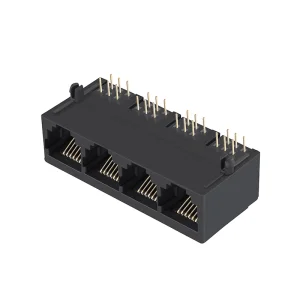
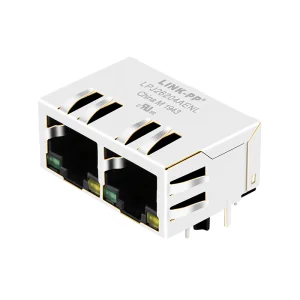
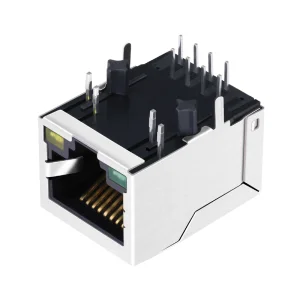
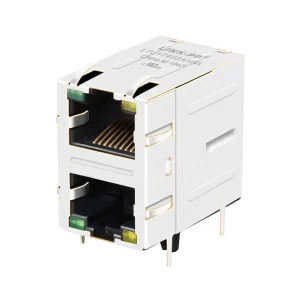
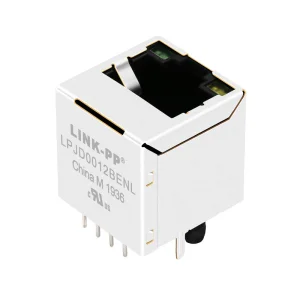
High-power systems (specifically 802.3at and 802.3bt) generate higher operating temperatures and electromagnetic noise. Shielded RJ45 connectors feature a continuous metal ground path that wraps around the housing. This cage redirects EMI and crosstalk to the chassis ground, protecting signal integrity. The low-profile structure also shortens the electrical path length, reducing parasitics and return loss, which is essential for stable multi-gigabit copper connections.
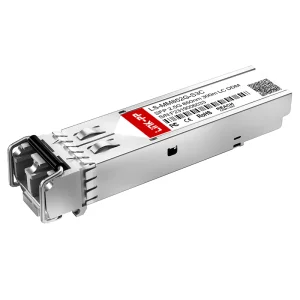
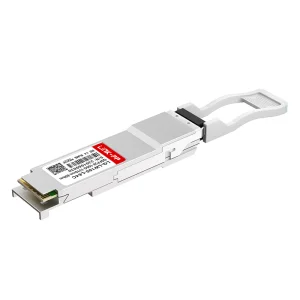
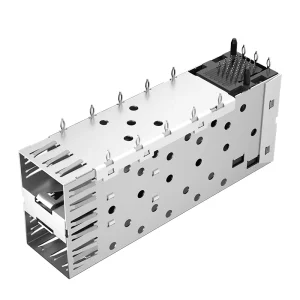
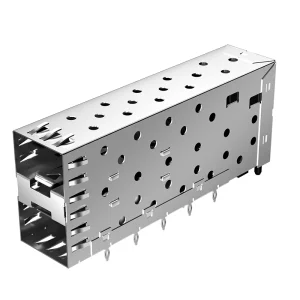
In modern enterprise and industrial systems, high-bandwidth optical fibers handle long-distance backhaul, while copper runs deliver local power and data. SFP transceivers (such as our 2.5GBASE-SX or 100GBASE-ER4 modules) plug directly into a media converter or managed switch. The switch routes the high-speed optical data to copper ports, where PoE injectors or integrated magnetic RJ45 connectors inject DC power. This combination allows for long-distance optical routing along with simplified, single-cable power delivery to edge devices.
Connecting and disconnecting PoE lines under load causes electrical arcing, which can degrade the contacts. Standard gold flash finishes wear down quickly under these conditions. Using 50-microinch gold plating over nickel base pins prevents corrosion, maintains low contact resistance, and protects the connector's physical interface over hundreds of mating cycles, even in humid or harsh industrial environments.
Supported by our team of 260 R&D engineers, we provide complete ODM services. This includes modifying PCB layouts for specialized space constraints, custom winding configurations for specific magnetics, custom LED colors and pin placements, and tailored firmware for optical modules to ensure compatibility with major OEM switch platforms.