Dynafiber
Dynafiber
Dynafiber
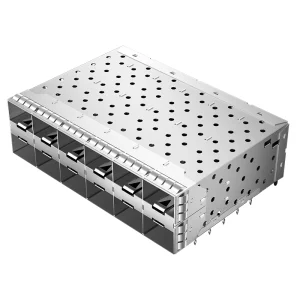
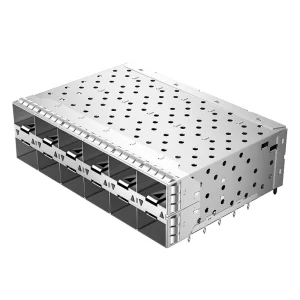
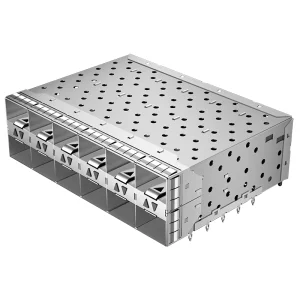
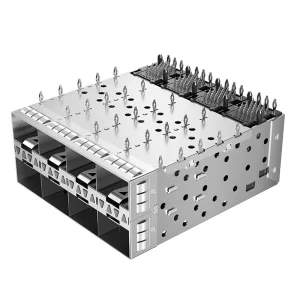
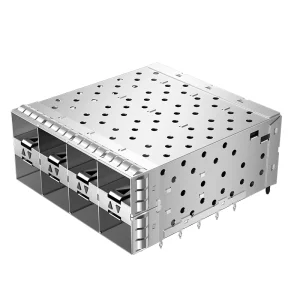
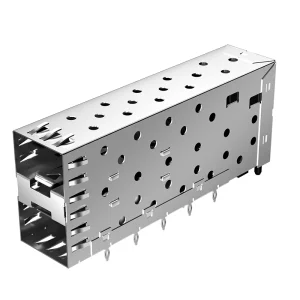
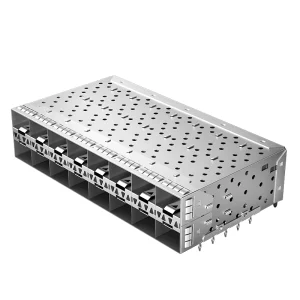
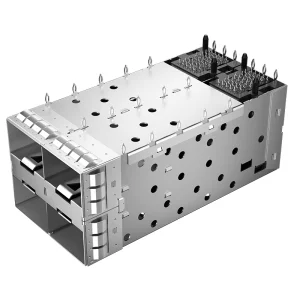
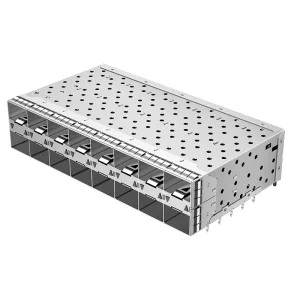
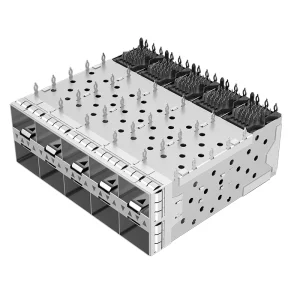
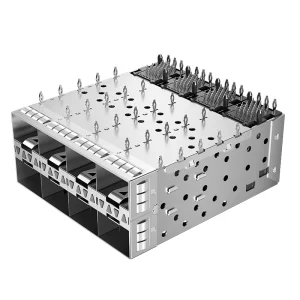
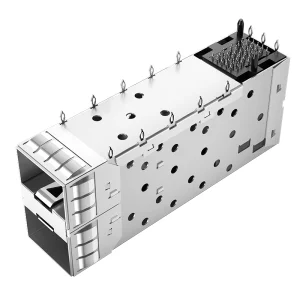
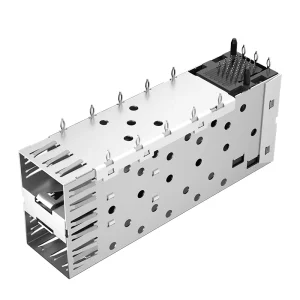
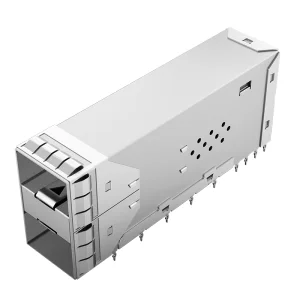
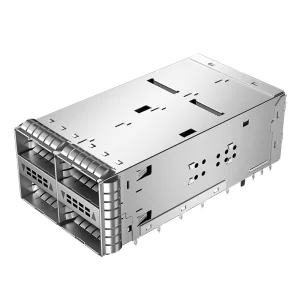
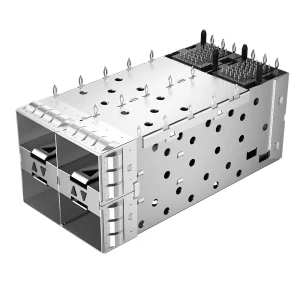
As Japan accelerates its transition toward Society 5.0, the demand for high-density, high-reliability networking hardware has reached an all-time high. The 2xN (Stacked Ports) architecture, specifically in SFP, SFP+, and QSFP28 configurations, has become the backbone of modern telecommunications and data center infrastructure in Japan’s major tech hubs like Tokyo and Osaka.
In the Japanese market, where space is at a premium and energy efficiency is a top priority for corporations like NTT, SoftBank, and Rakuten Mobile, the stacked port configuration offers a dual advantage. By stacking two rows of ports vertically, engineers can double the port density on a standard 1U rack unit without increasing the PCB footprint. This "Vertical Scaling" is essential for the compact high-performance computing (HPC) environments found in Japanese urban data centers.
Established in 2016, Dynafiber Optical Technology Co., Ltd. has evolved into a global leader in optical transceiver modules and fiber optic solutions. For the Japan market, we provide more than just components; we provide engineering certainty. Our annual export revenue of USD 18.6 million is built on a foundation of rigorous quality control, including automated optical performance testing and environmental stress testing that mirrors the varied climate of the Japanese archipelago.
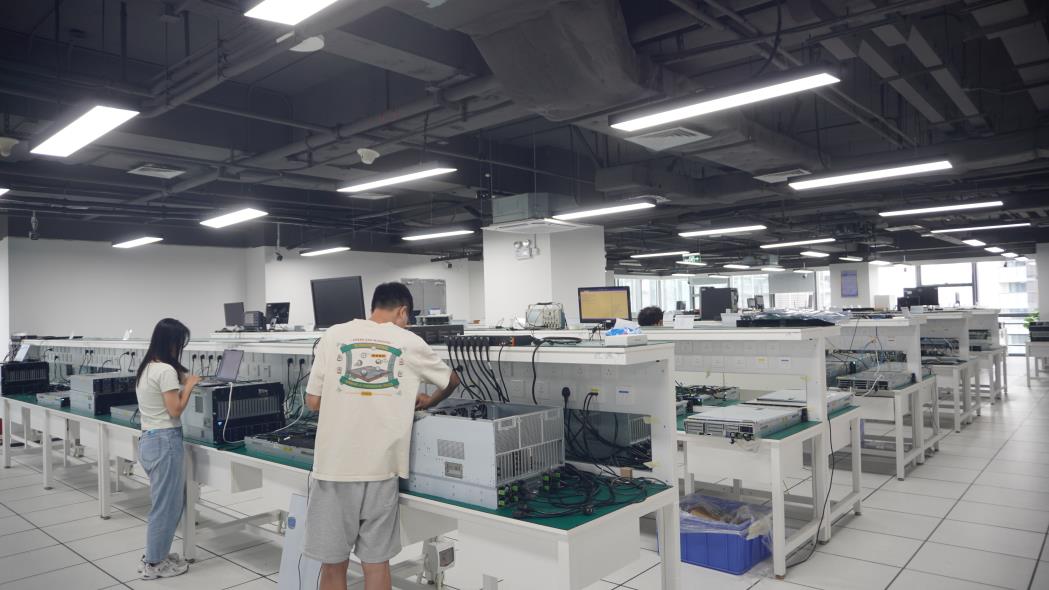
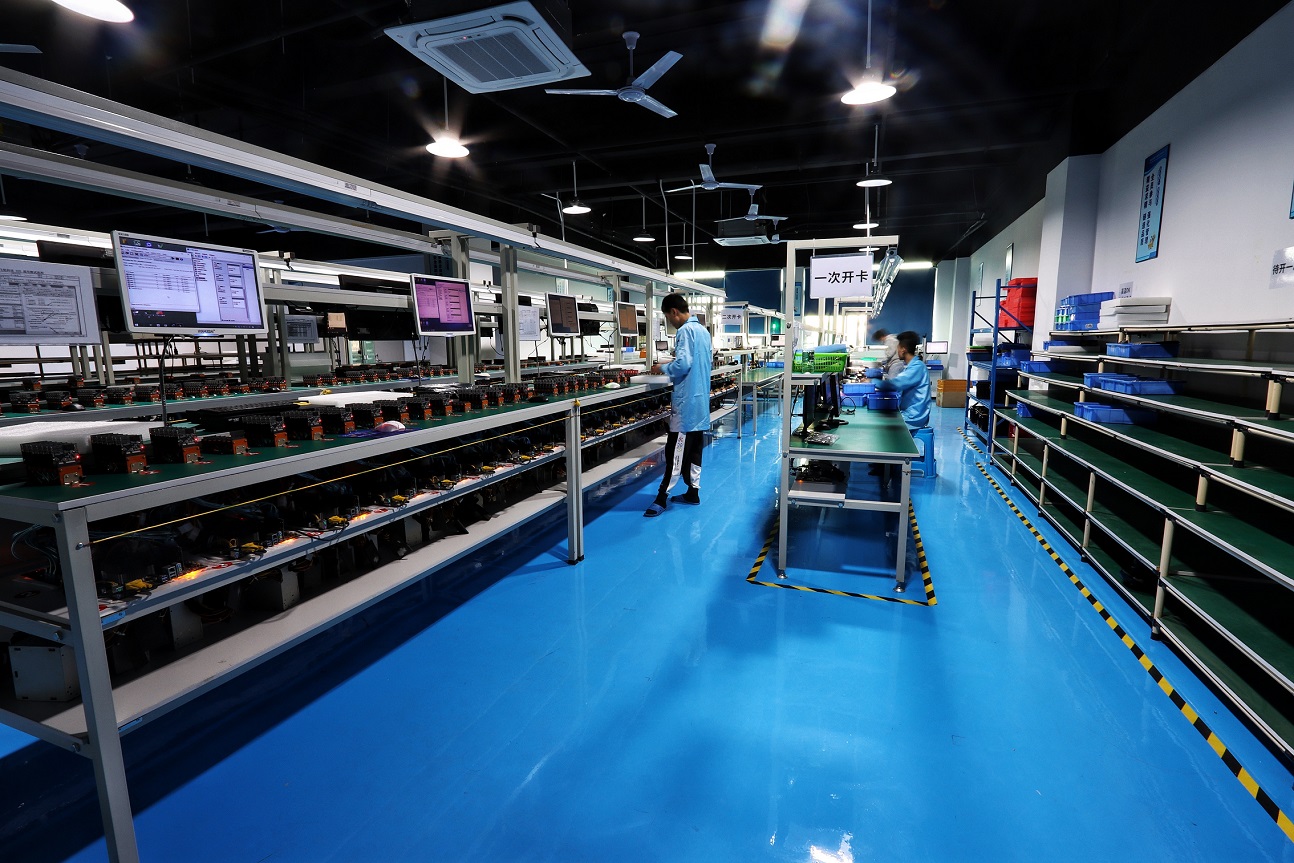
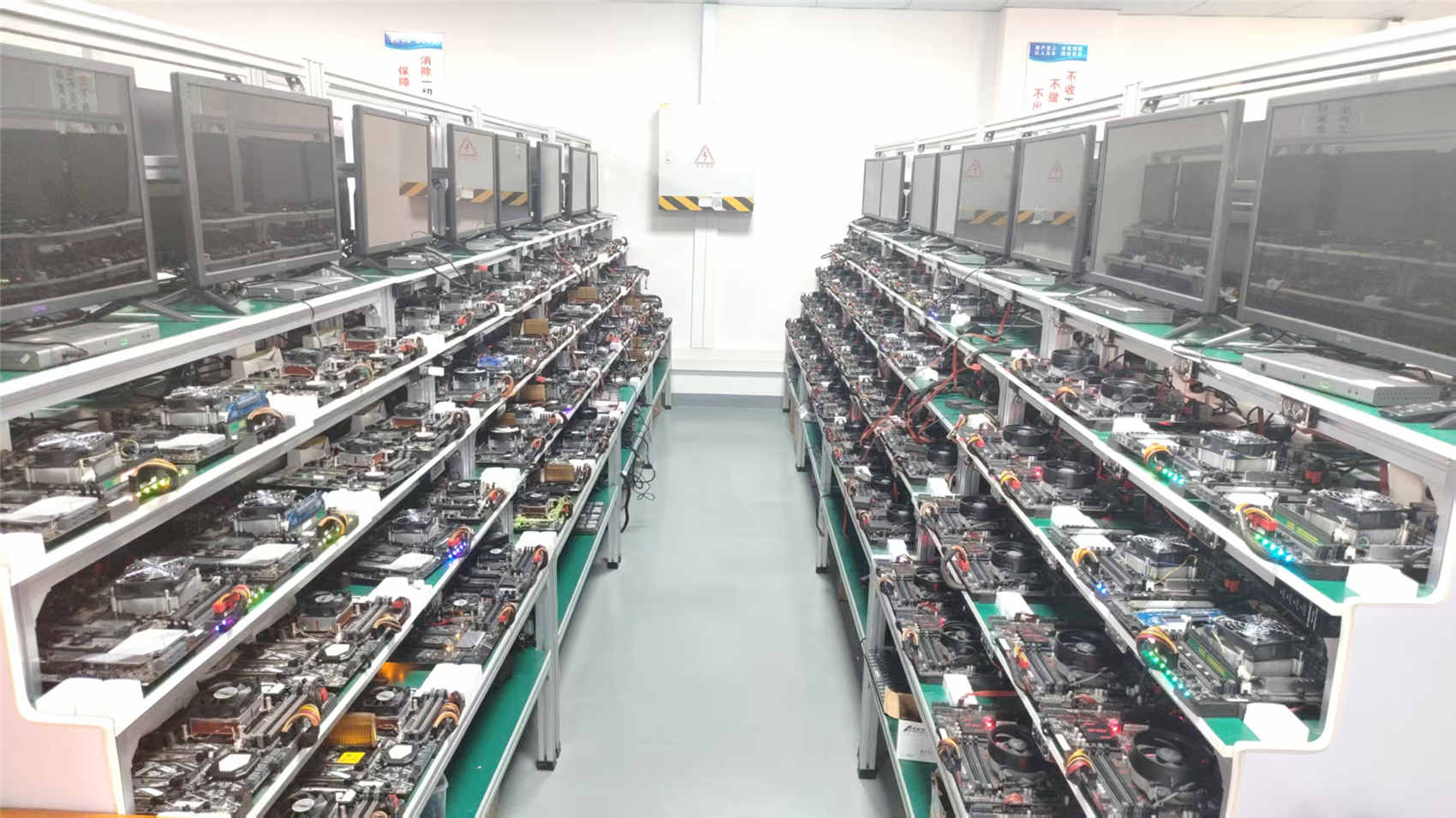
Strategic procurement managers in Japan are increasingly looking for partners who can bridge the gap between China’s manufacturing scale and Japan’s quality expectations. Dynafiber achieves this through:
We understand the importance of JIT (Just-In-Time) delivery for Japanese manufacturing giants. Our supply chain is optimized to support logistics hubs in Narita and Kansai, ensuring that our 2xN stacked cages arrive ready for integration. All products are RoHS compliant and can be provided with comprehensive REACH documentation required by Japanese environmental regulations.
The roadmap for interconnects in Japan is moving toward 800G and 1.6T. Our R&D team is already prototyping 2xN QSFP-DD and OSFP solutions that feature advanced liquid cooling compatibility, addressing the heat dissipation challenges of the next decade's AI-driven data centers in Japan.
Utilizing 2x1 and 2x2 stacked SFP+ cages in edge computing units for Japan’s growing autonomous vehicle (L4) testing in Shizuoka.
Ultra-low latency 2x6 stacked ports for high-frequency trading servers in the Tokyo Stock Exchange vicinity.
Industrial-grade stacked cages providing robust connectivity for Fanuc-compatible robotic control systems in Aichi Prefecture.