Dynafiber
Dynafiber
Dynafiber
Engineered for seamless integration, low-latency data transmission, and structural resilience across enterprise and carrier-grade optical distribution networks.
Why modern global enterprises trust China’s advanced optical manufacturing ecosystem for critical infrastructure development.
Modern telecommunication networks demand flawless bridging between legacy copper-based networks (RJ45) and ultra-high-speed fiber trunks. China-manufactured media converters resolve interface mismatches while ensuring zero signal attenuation.
For applications spanning oil rigs, smart cities, and factory automation, our systems offer IP40/IP67 rated enclosures, extreme temperature operation ranges (-40°C to +85°C), and superior ESD surge protections.
Minimizing network downtime through active monitoring mechanisms. LFP technology ensures that when a link failure occurs on one side of the converter, the opposite link is shut down systematically, notifying network administrators immediately.
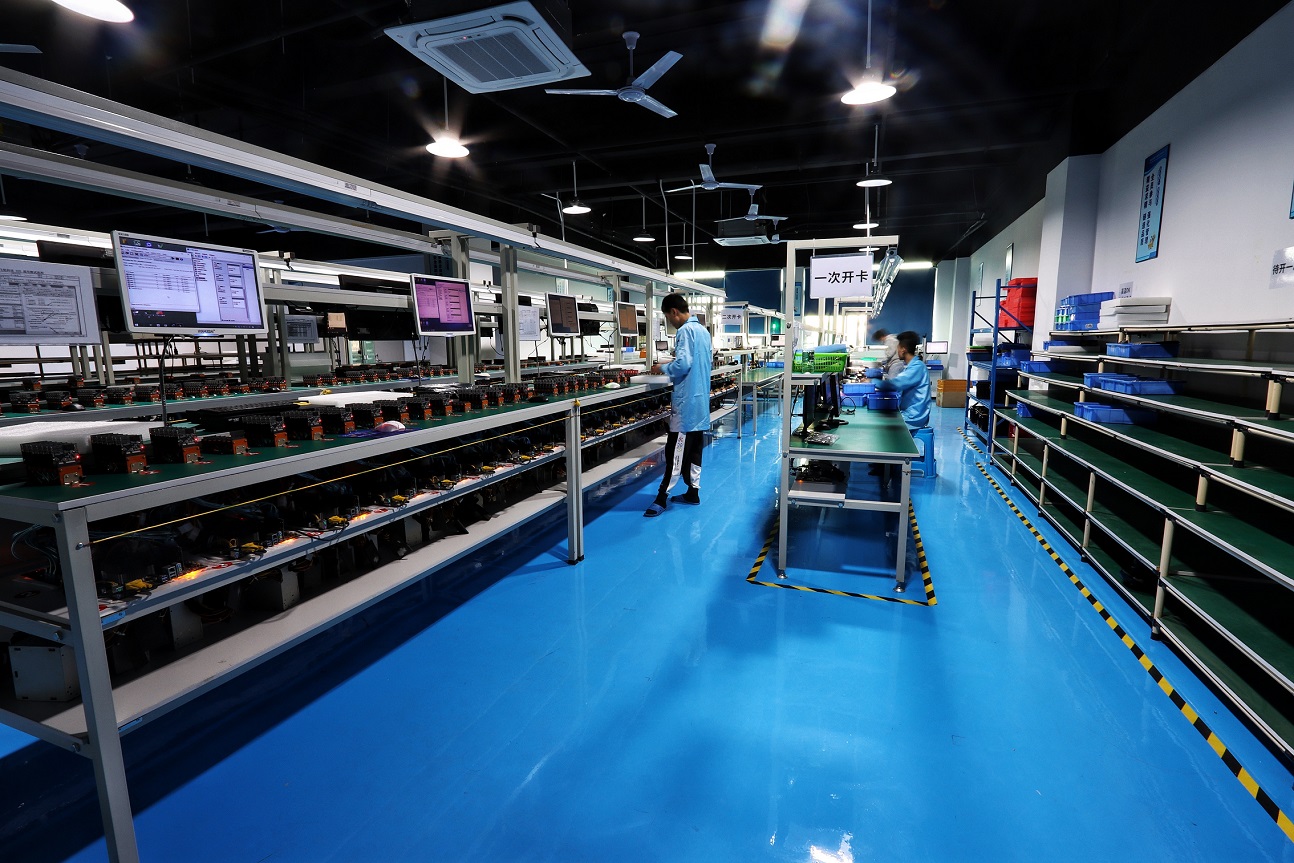
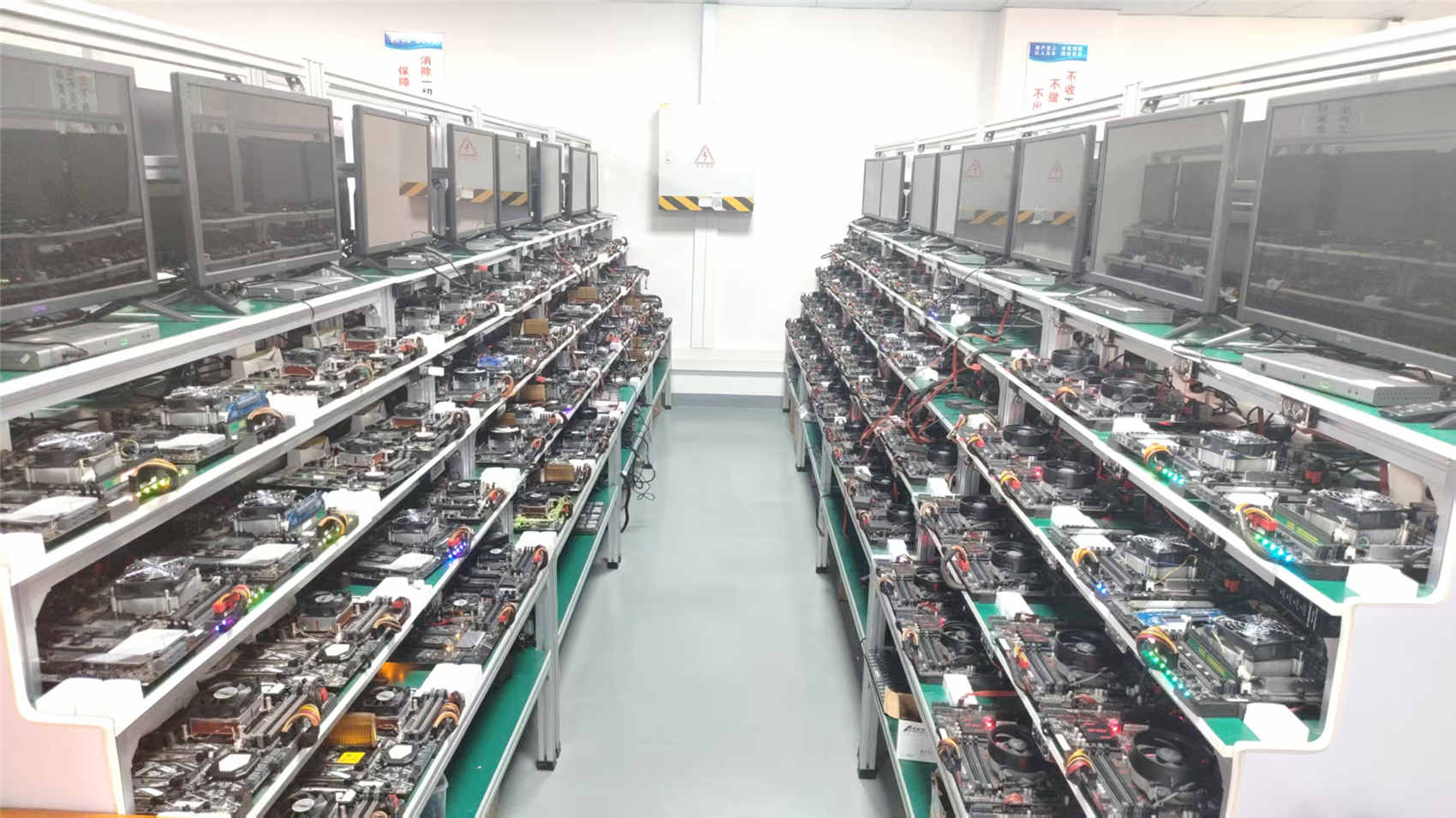
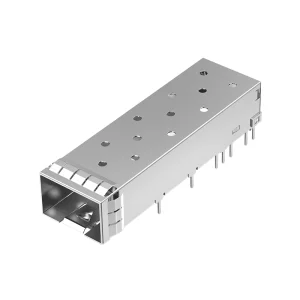
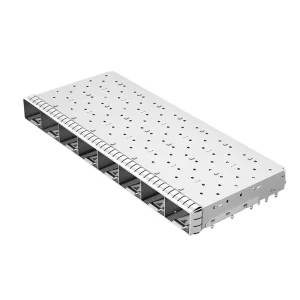
The manufacturing ecosystem in China for optical networking equipment has matured beyond standard PCB fabrication. Leading manufacturers operate in vertical integration zones where raw materials, high-frequency signal transformers, optical sub-assemblies (TOSA/ROSA), and precision injection-molded SFP cages are produced within tight geographical clusters. This integration allows companies like Dynafiber Optical Technology Co., Ltd. to execute dynamic customized changes in product design, thermal management, and firmware development at speed and scale that is unmatched globally.
A trusted global supplier of optical transceivers, media converters, and high-frequency communication components.
Established in 2016, Dynafiber Optical Technology Co., Ltd. specializes in the research, development, manufacturing, and global supply of high-performance optical transceiver modules and fiber optic communication solutions. Backed by 12 years of industry experience and 7 years of specialized global export operations, the company operates a state-of-the-art facility driving an annual export revenue exceeding USD 18.6 million.
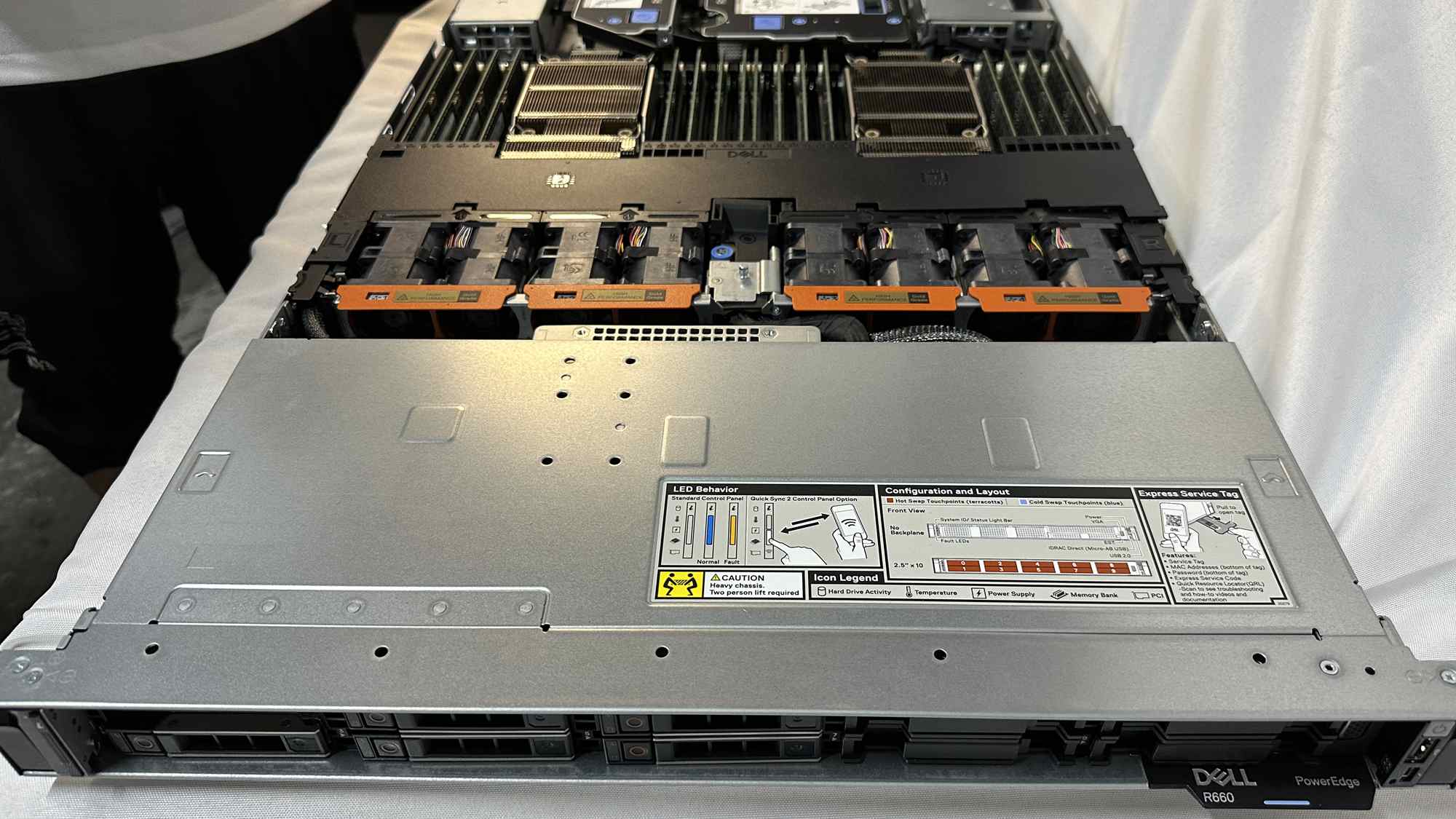
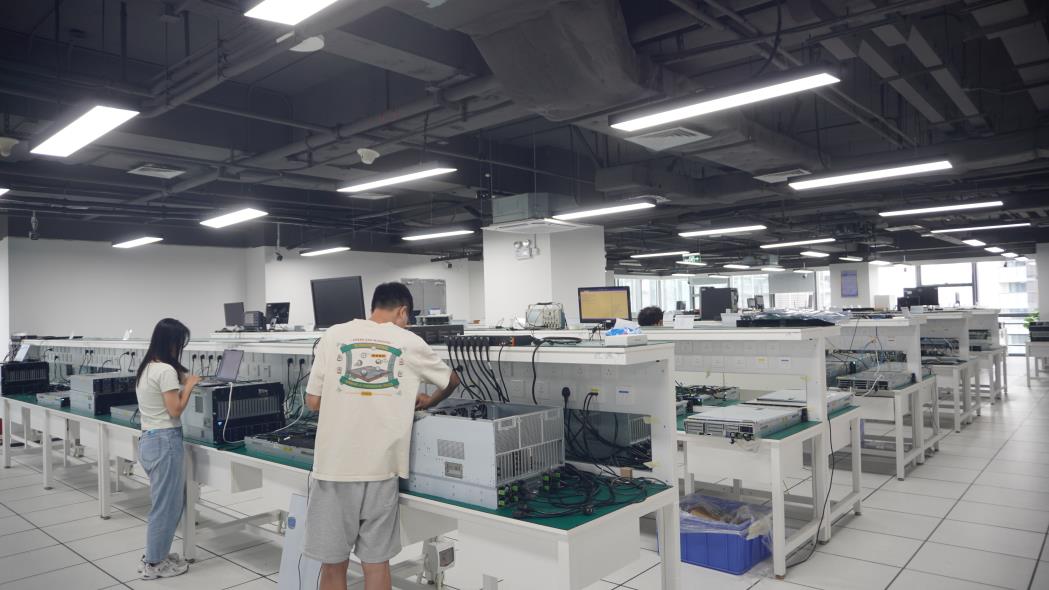
Dynafiber leverages automated testing procedures, including automated optical inspection (AOI), Bit Error Rate (BERT) testing, optical power measurement, and environmental stress testing. This rigorous system ensures that the products meet the standards required by telecommunications operators, enterprise networks, and high-performance cloud data centers across North America, Europe, Southeast Asia, the Middle East, and South America.

A technical guide on deploying media converters, signal transceivers, and RJ45 magnetic connectors in enterprise configurations.
Despite the rapid decline in fiber optic component pricing, copper-based Ethernet (UTP Category 5e/6/6A) remains the dominant technology for local edge connections, workstations, and in-building PoE systems due to its ease of termination and cost structure. However, copper networks are fundamentally limited by physical laws to a distance of 100 meters (328 feet) and are susceptible to electromagnetic interference (EMI). Optical fiber systems bypass these distance and interference barriers, offering data transmission over distances exceeding 120 kilometers using Single Mode Fiber (SMF).
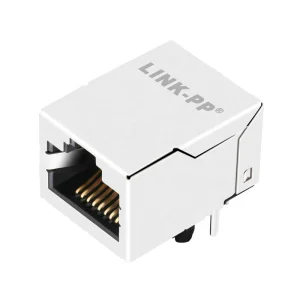
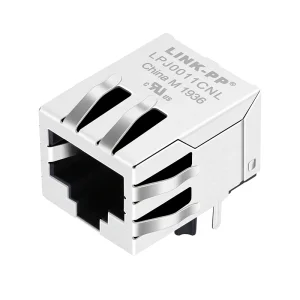
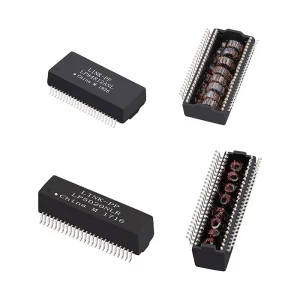
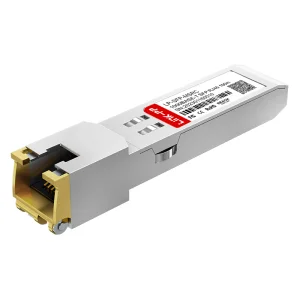
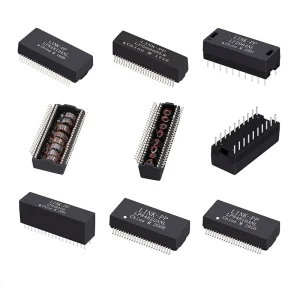
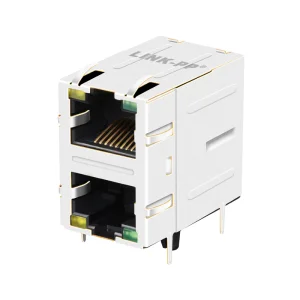
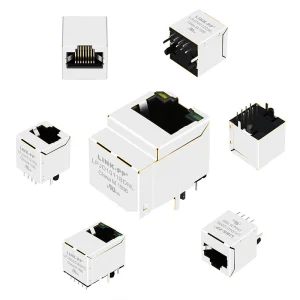
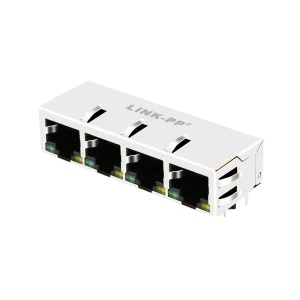
Optical media converters serve as active translation layers, converting electrical pulses of UTP cabling into light signals suitable for fiber optic cables. Incorporating high-performance magnetic transformers (such as the 10/100/1000 Base-T RJ45 connectors) ensures impedance matching, isolation against high-voltage surges (up to 1500VAC), and optimal common-mode noise suppression.
When selecting a Chinese manufacturer, procurement officers must evaluate critical architectural standards beyond basic cost parameters:
| Feature Spec | Commercial Grade Converters | Industrial/Carrier Grade Systems |
|---|---|---|
| Operating Temperature | 0°C to +50°C (Non-condensing) | -40°C to +85°C (Extreme Range) |
| Enclosure Protection | ABS Plastic or Light Sheet Metal | IP30/IP40 Rated Aluminum Hardened Cases |
| MTBF (Mean Time Between Failures) | >25,000 Hours | >500,000 Hours (Telcordia SR-332) |
| Surge Protection | Standard ESD Protection (2KV) | Heavy-Duty Surge Isolation (up to 6KV / 1500VAC) |
| Network Management | Unmanaged (Plug-and-Play) | Managed (SNMP, Web, CLI, IEEE 802.3ah OAM) |
Modern media converters and transceiver components are deployed globally across distinct macro-market scenarios:
High-definition IP surveillance cameras are frequently placed at perimeter fences or public traffic intersections exceeding the 100-meter limits of copper Ethernet. By utilizing PoE media converters, local authorities can transmit video feeds over single-core single-mode fiber (BiDi transceivers) back to central control centers while providing power directly to the IP camera over the copper connection.
Power generation and utility facilities produce massive electromagnetic fields that render standard copper networks unstable. Converting copper control loops to fiber optic links using high-isolation, magnetically-shielded media converters eliminates electromagnetic interference, ground loops, and transient surges, ensuring continuous power distribution monitoring.
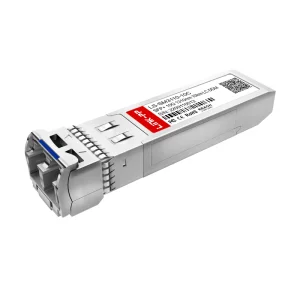
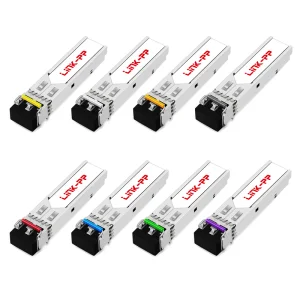
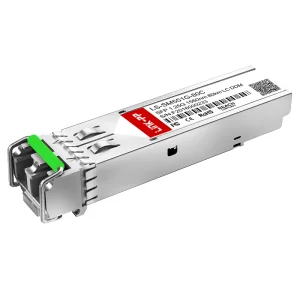
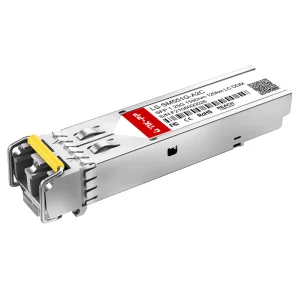
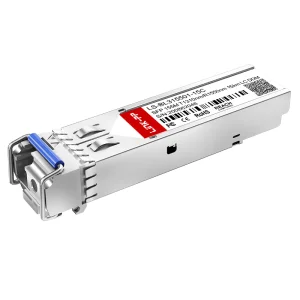
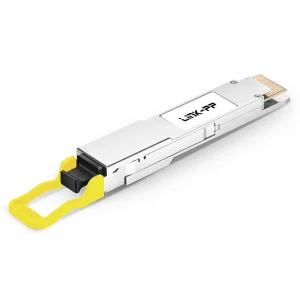
An optical media converter is only as reliable as the transceiver module installed within its slot. High-speed networks utilizing 10G, 25G, or 400G (such as the 400G DR4 QSFP-DD PAM4 modules) rely on precision optical alignments (TOSA/ROSA) to prevent bit errors. High-density fiber cards require proper heat dissipation profiles and low power consumption metrics to ensure the operational stability of modern data centers.
Integrate our carrier-grade SFP modules, shielded SFP cages, and discrete magnetic components into your networking architecture.
Technical answers to support optical infrastructure engineering, vendor verification, and system procurement.