Dynafiber
Dynafiber
Dynafiber
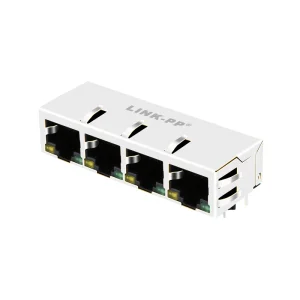
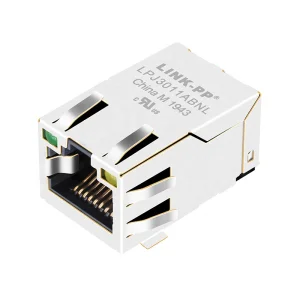
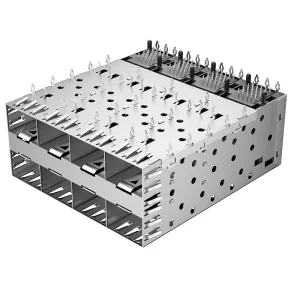
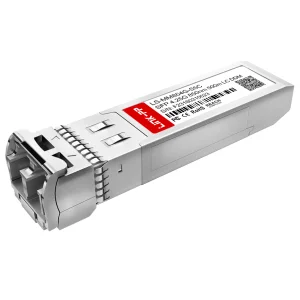
Explore our high-performance RJ45 modular jacks, SFP transceivers, and SFP+ cages engineered for mission-critical networking applications.
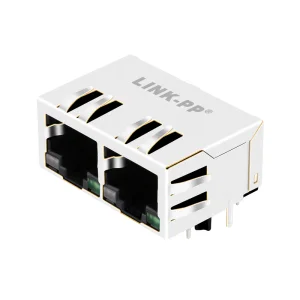
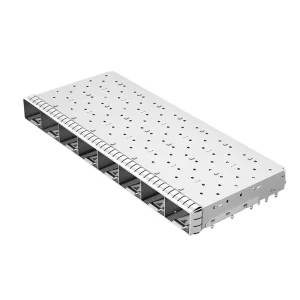
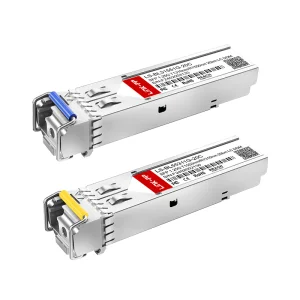
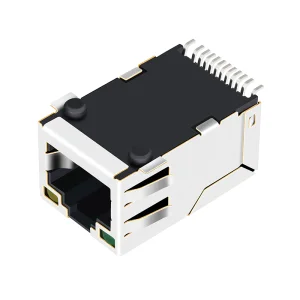
Analyzing the pivotal role of passive optical networks (PON) in telecommunication networks, hyperscale data centers, and the paradigm shift in global deployment.
Modern telecommunication networks are undergoing a massive evolution driven by high bandwidth demands, IoT expansions, and 5G deployment. At the heart of these architectures lies the Optical Distribution Network (ODN), where passive optical splitters serve as critical components. Fiber optic splitters, utilizing either Planar Lightwave Circuit (PLC) or Fused Biconical Taper (FBT) technologies, allow a single PON interface to be shared among multiple end-users without requiring active electronic components. This structural passivity keeps network maintenance and operating costs exceptionally low.
In the global market, the transition towards Fiber-to-the-Home (FTTH) and Fiber-to-the-Room (FTTR) has driven massive demand. Network architects depend on reliable optical splitters to maintain signal integrity over long distances. High-performance splitters must maintain low insertion loss, minimal polarization-dependent loss (PDL), and high uniformity across all output ports. As global operators shift toward 10G-PON, 50G-PON, and dense wavelength division multiplexing (DWDM) architectures, the precision of passive optical splitting defines network reliability.
FTTR (Fiber-to-the-Room) architectures require highly compact, mini-type PLC splitters that easily fit into residential junction boxes while keeping insertion losses to an absolute minimum.
Deploying passive splitters minimizes active electronic elements, reducing power consumption and maintenance cycles, aligning with corporate sustainability initiatives.
With spectral splitting ranges from 1x2 to 1x128, modern PLC splitters require strict uniformity to prevent individual fiber path outages under harsh environmental shifts.
Understand the critical operational differences to match the correct components with your localized deployment scenarios.
Choosing between Planar Lightwave Circuit (PLC) and Fused Biconical Taper (FBT) splitters is key to network performance. While FBT splitters are ideal for simple configurations with fewer outputs (like 1x2 or 1x4) and are cost-effective for customized splitting ratios, PLC splitters offer superior uniformity across high-ratio splits (1x32, 1x64, 1x128) over wide wavelength ranges (1260nm to 1650nm).
| Feature Parameter | Planar Lightwave Circuit (PLC) | Fused Biconical Taper (FBT) |
|---|---|---|
| Operating Wavelength | Wideband (1260nm - 1650nm) | Narrowband/Specific (850nm, 1310nm, 1550nm) |
| Split Ratio | Equal splitting up to 1x128 or 2x64 | Customizable splitting ratios (e.g., 90/10, 70/30) up to 1x32 |
| Spectral Uniformity | High uniformity across all channels | Uneven distribution risk on higher port counts |
| Temperature Sensitivity | Stable operation (-40°C to +85°C) | Temperature-dependent attenuation shifts |
| Form Factor Size | Ultra-compact, perfect for high-density cassettes | Larger footprint at higher splitting counts |
For modern FTTH architectures utilizing GPON or XGS-PON, PLC splitters are the industry-standard recommendation due to their wavelength independence and flat attenuation profile across all output channels.
How specialized production clusters in Ningbo, Shenzhen, and Wuhan deliver unmatched scale and cost efficiency.
China is the world's primary manufacturing hub for passive optical components. Production ecosystems are concentrated in industrial clusters like Ningbo, Shenzhen, and Wuhan (known as China's "Optoelectronics Valley"). These clusters bring together raw silica processing, high-precision V-groove production, fiber array (FA) alignment, packaging, automated testing, and logistics in close proximity. This geographic density reduces component transit times, accelerates engineering feedback loops, and minimizes raw material costs.
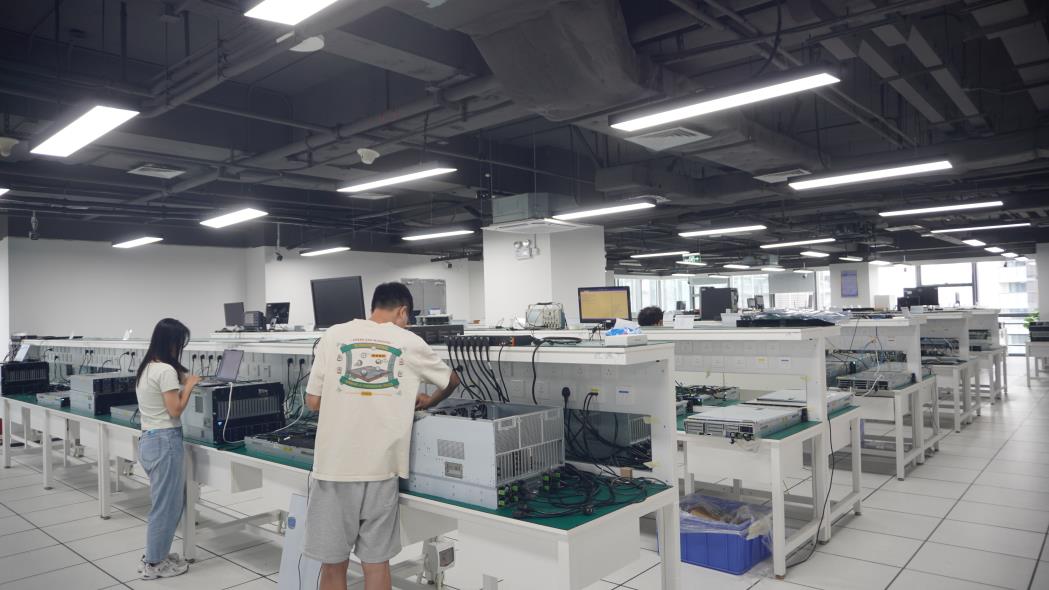
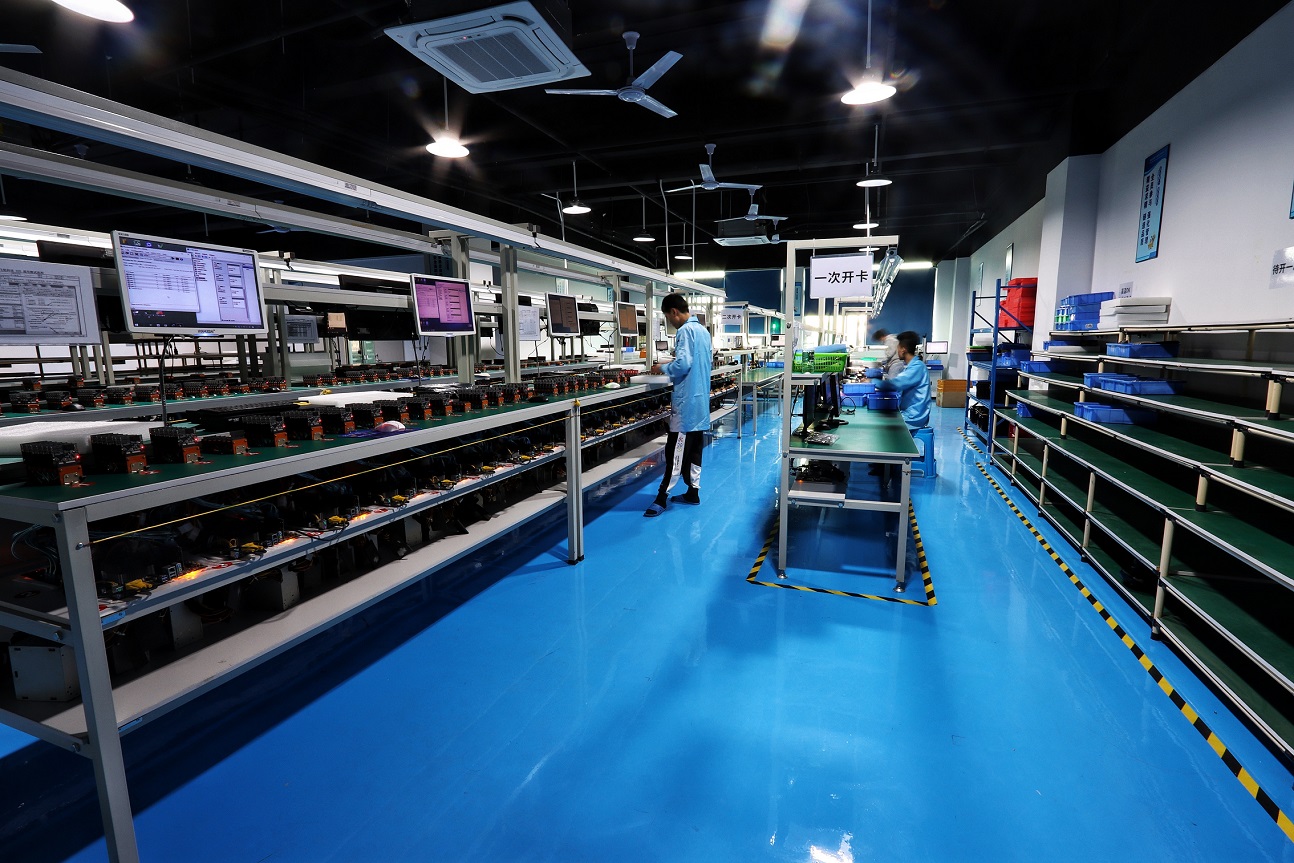
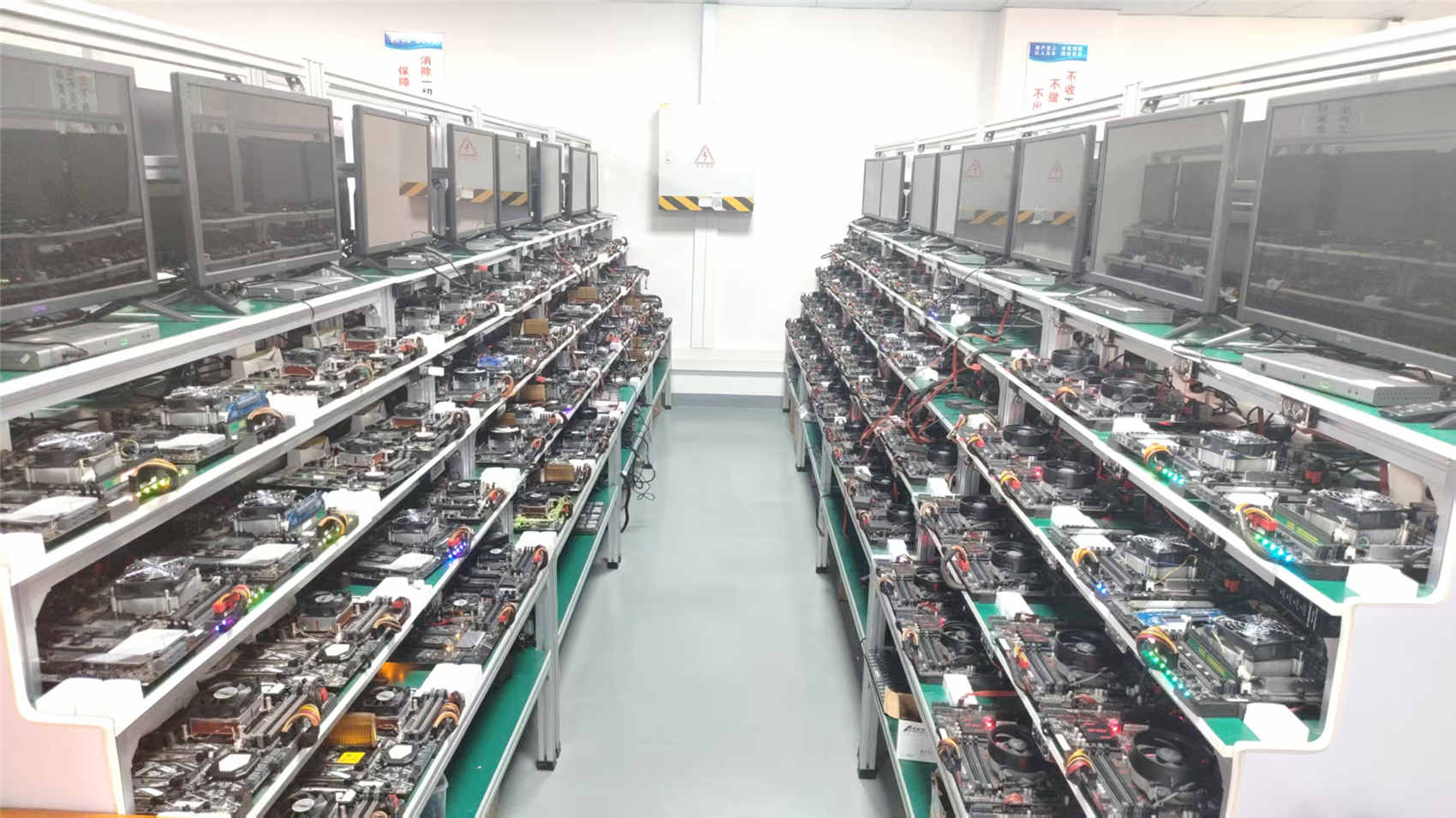
Chinese factories utilize high-end automated chip alignment systems and high-precision polishing machinery to maintain high product yields. Automation minimizes human error in manual alignment, ensuring insertion loss values consistently outperform standard Telcordia specifications. Furthermore, direct shipping access to major international deep-water ports guarantees efficient logistics for bulk export orders.
Leading the industry with advanced R&D, high-capacity manufacturing, and strict quality control systems.
Dynafiber Optical Technology Co., Ltd. was established in 2016, specializing in the research, development, manufacturing, and global supply of high-performance optical transceiver modules and fiber optic communication solutions. With a modern production facility covering 28,600㎡, Dynafiber has developed strong capabilities in optical communication technologies, supporting customers worldwide with reliable, scalable, and customized networking products.
The company achieves an annual export revenue of approximately USD 18.6 million, with 7 years of export experience and 12 years of industry experience in optical communication manufacturing. Dynafiber serves global telecom operators, data center providers, system integrators, and enterprise networking companies with advanced optical solutions designed for high-speed connectivity.
Dynafiber maintains strict quality control systems throughout the entire manufacturing process. Quality inspection includes automated optical performance testing, temperature cycling tests, compatibility verification, aging tests, and reliability evaluation. The company implements advanced product inspection methods such as AOI inspection, BER testing, optical power measurement, wavelength analysis, and environmental stress testing. A professional quality control team of 65 engineers and inspectors ensures that every product meets international quality standards.
With extensive international trade experience, Dynafiber has built a strong global supply network and maintains cooperation with 1,200+ supply chain partners, including component manufacturers, optical device suppliers, and technology service providers. The company’s trade background covers OEM manufacturing, ODM cooperation, and global distribution partnerships.
Dynafiber’s major markets include North America, Europe, Southeast Asia, the Middle East, and South America. Its main customer groups include telecommunications companies, cloud service providers, data center operators, network equipment distributors, and industrial communication solution providers.
The company has strong R&D capabilities supported by a professional engineering team of 260 R&D engineers focused on optical module design, signal integrity optimization, thermal management, and next-generation communication technologies. Dynafiber provides flexible customization options, including custom optical specifications, firmware configuration, labeling services, packaging solutions, and OEM/ODM manufacturing support.
In the past year, Dynafiber launched 180 new products, covering advanced optical transceiver categories such as SFP, SFP+, QSFP, QSFP28, QSFP-DD, DAC, AOC, and high-speed data center optical solutions. Through continuous innovation and investment in research, Dynafiber remains committed to delivering dependable optical communication products and building long-term partnerships with customers worldwide.


Evaluating key technical benchmarks, quality certifications, and vendor capability assessments.
When sourcing optical splitters for large-scale fiber deployments, global network operators must look beyond unit price. Substandard splitters can lead to high attenuation, high return loss, and physical failures in the field. To mitigate these risks, procurement managers should follow this evaluation framework:
Ensure suppliers verify optical splitter performance against Telcordia GR-1209-CORE (for physical performance) and GR-1221-CORE (for environmental reliability and aging characteristics).
Verify that components use premium silica glass substrates, precise V-grooves, high-quality optical adhesives (like Epotek), and G.657.A1/A2 bend-insensitive fibers.
Insist on complete quality documentation for each production batch, including 3D interferometer geometry reports, insertion loss maps, and OTDR wavelength testing logs.
Common questions and technical challenges addressed by our senior engineering division.
Complete your optical networks with our certified transceivers, shielding cages, and high-density modular connectors.