Dynafiber Dynafiber

Top 10 QSFP56 Transceivers for Global Buyers to Consider

Time:2026-08-01 Author:Oliver
0%

In the rapidly evolving world of data communication, the QSFP56 transceiver has emerged as a vital component. This advanced technology promises high-speed data transfer rates, catering to the growing demands of today’s networks. With the surge in cloud computing and data center expansion, selecting the right QSFP56 transceiver becomes crucial for efficiency and performance.

Considering the diverse options available, it can be overwhelming for global buyers to identify the best products. Each QSFP56 transceiver offers unique features tailored to various applications. This complexity calls for informed decision-making, ensuring investments will yield optimal returns. Reliability and compatibility are always questions. Not all transceivers perform under varying conditions.

Understanding these nuances can help buyers avoid costly mistakes. The right choice enhances network infrastructure and reduces downtime. As we explore the top 10 QSFP56 transceivers, keep in mind that quality and performance should guide your selection process. Prioritizing these factors will ensure your system meets future needs effectively.
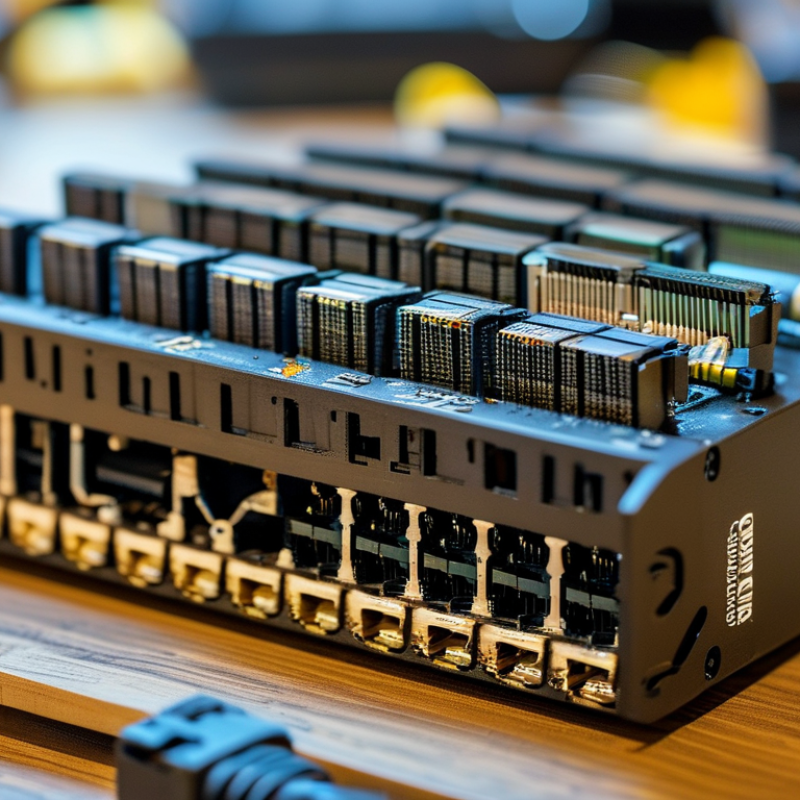
Top 10 QSFP56 Transceivers for Global Buyers to Consider

Understanding QSFP56 Transceivers: Key Features and Benefits

QSFP56 transceivers are critical in modern data center networks. They support 200G Ethernet connections with low latency and high bandwidth. According to recent industry reports, these transceivers can significantly enhance data transfer speeds. The adoption rate is projected to grow by 25% annually due to the increasing demand for faster network infrastructure.

One of the key features of QSFP56 transceivers is their high-density design. They allow more connections in a limited space. As networks expand, this feature becomes essential. Additionally, they provide power efficiency. A typical QSFP56 transceiver uses less power than older models, reducing operational costs. Research indicates that optimizing power consumption can lower data center energy costs by up to 30%.

However, buyers should be cautious. Not all QSFP56 transceivers are created equal. Variability in performance and compatibility can lead to challenges. Each network has unique requirements. It's imperative to assess specific needs before purchasing. Ensuring compatibility with existing hardware may require additional research. An informed choice can prevent costly mistakes and operational disruptions.

Top Global Brands Manufacturing QSFP56 Transceivers

In the rapidly evolving world of networking, QSFP56 transceivers are crucial. They provide high-speed data transmission, enhancing network performance. Many global brands focus on creating these advanced transceivers. Their reliability is essential for data centers and enterprise environments.

When selecting a QSFP56 transceiver, consider compatibility with your current system. Not all transceivers work seamlessly with every switch or router. Check the specifications and requirements before purchasing. Each brand offers unique features that might benefit your specific needs.

Tips: Always read user reviews. They can provide insights into performance and reliability. Evaluate warranty options, as some brands may offer better coverage than others. Don’t rush your decision-making process; weigh the pros and cons of your choices. In a competitive market, mistakes can be costly, so take time to reflect on your options.

Comparison of Performance Metrics in QSFP56 Transceivers

In the growing world of data centers, the choice of QSFP56 transceivers plays a critical role in network performance. These transceivers support 200G Ethernet and provide exceptional bandwidth. A recent report from a leading networking standards organization indicates that performance metrics such as latency and power consumption are pivotal in selecting the right transceivers. For example, latency in fiber optic transceivers can significantly impact data transmission speed, with some models achieving less than 100 microseconds.

Power efficiency is another essential metric to consider. According to industry data, transceivers that consume less than 6 watts can lead to significant cost savings over time. This is particularly crucial as organizations focus on energy-efficient solutions. However, many buyers overlook the importance of thermal management, which can affect long-term reliability. Without appropriate thermal design, transceivers may underperform, leading to data packet loss and overall network inefficiencies.

In addition, compatibility with existing infrastructure remains a challenge. Many users may assume interoperability, but variations in optical density and modulation formats can create issues. A study highlighted that about 30% of transceiver failures are due to compatibility problems. This emphasizes the need for careful evaluation and potentially rigorous testing before a large-scale deployment. Buyers must weigh these factors thoughtfully to make informed decisions.

Factors to Consider When Choosing QSFP56 Transceivers

When selecting QSFP56 transceivers, several crucial factors should be considered. Speed is a primary consideration. The QSFP56 typically supports 100G Ethernet and InfiniBand standards. This can significantly enhance data transmission rates. Compatibility is vital too. Ensure that the transceiver matches your network's standards and architectures. This will prevent performance issues down the line.

Additionally, the range of the transceiver is important. Different models offer various reach specifications, affecting your deployment choices. Look into optical versus copper options, as well. Each has unique benefits and limitations.

Another factor is environmental durability. Depending on deployment locations, transceivers should withstand external conditions. Data centers typically require robust solutions. Lastly, pricing plays a role, but so does the balance between cost and reliability. Investing in high-quality options can ultimately save costs associated with downtime or maintenance. In this rapidly evolving market, it's vital to make informed choices.

Top 10 QSFP56 Transceivers for Global Buyers to Consider

Transceiver Model Data Rate (Gbps) Distance (m) Wavelength (nm) Connector Type Temperature Range (°C)
Model A 200 500 850 MTP/MPO 0 to 70
Model B 100 100 1310 LC -40 to 85
Model C 400 200 850 MTP/MPO 0 to 70
Model D 200 500 1310 LC -40 to 85
Model E 400 100 1550 LC 0 to 70

Market Trends and Future Outlook for QSFP56 Transceivers

The market for QSFP56 transceivers is evolving rapidly. As data requirements surge, these high-performance modules play a crucial role in meeting bandwidth needs. According to a report by MarketsandMarkets, the global market for optical transceivers is projected to reach USD 12.7 billion by 2026, growing at a CAGR of 22.8%. This reflects a robust demand for faster and more efficient data transmission solutions.

In recent years, the adoption of 400G infrastructure has become a key driver of this growth. Enterprises seek QSFP56 transceivers to enhance their data center capabilities. The challenge lies in ensuring that these transceivers remain cost-effective while keeping pace with technological advancements. Many organizations struggle to continuously integrate new standards. This creates a gap between supply and the latest demands.

Future trends indicate a push towards higher data rates and lower latency. Research from LightCounting shows that data centers are expected to increase demand for transceivers supporting 800G and beyond. This shift may lead to intensified competition among manufacturers. The focus will also need to shift towards sustainability and energy efficiency. As buyers look for more reliable solutions, the importance of trustworthy information will be crucial for informed purchasing decisions.

FAQS

: What is the significance of QSFP56 transceivers in data centers?

: These transceivers support 200G Ethernet and improve network performance significantly. They provide exceptional bandwidth.

How does latency affect transceiver performance?

Latency can impact data transmission speed. Some transceivers achieve less than 100 microseconds, enhancing overall efficiency.

Why is power efficiency important in transceivers?

Transceivers consuming less than 6 watts lead to notable cost savings. Efficient power usage is crucial for energy-focused organizations.

What is often overlooked by buyers regarding transceivers?

Many buyers neglect thermal management, which can jeopardize long-term reliability and cause data packet loss.

How does compatibility impact transceiver selection?

Variations in optical density and modulation formats can cause issues. About 30% of failures stem from compatibility challenges.

What are the current market trends for QSFP56 transceivers?

The market is projected to reach USD 12.7 billion by 2026, with a CAGR of 22.8%, due to rising data needs.

What future trends are expected in transceiver technology?

Demand for higher data rates, such as 800G, is rising, leading to increased competition among manufacturers.

What challenge do organizations face with transceiver implementation?

The struggle lies in integrating new standards effectively, creating a gap between supply and the latest technological demands.

Why is reliable information important for buyers?

Trustworthy information is essential for making informed decisions, as buyers seek more reliable and efficient solutions.

What aspects should be considered in transceiver evaluation?

Buyers must thoughtfully assess performance metrics, compatibility, and thermal management to ensure optimal transceiver performance.

Conclusion

The article titled "Top 10 QSFP56 Transceivers for Global Buyers to Consider" provides a comprehensive overview of QSFP56 transceivers, detailing their key features and benefits. These transceivers are essential in modern high-speed networking, offering enhanced bandwidth and efficiency compared to their predecessors. The article explores leading global brands that manufacture these transceivers, emphasizing their significance in the market.

In addition to assessing performance metrics such as data rates and power consumption, the article highlights important factors for buyers to consider when selecting QSFP56 transceivers, including compatibility and application requirements. It also discusses current market trends and provides insights into the future outlook for QSFP56 transceivers, underscoring their growing relevance in the expanding landscape of data communication technology.

Oliver

Oliver

Oliver is a seasoned marketing professional with a wealth of expertise in driving brand awareness and engagement. With a deep understanding of our company's product offerings, he consistently delivers high-quality content that enriches our professional blog. His insights not only shed light on......