Choosing the right data center optical transceiver is crucial for optimal performance. With various types and specifications, the selection process can feel overwhelming. A data center optical transceiver plays a vital role in networking. It ensures fast and reliable data transfer, which is essential for today’s high-speed environments.
Understanding your specific needs is the first step. Factors include data rate, distance, and compatibility with existing systems. These elements can greatly influence the efficiency of your network. Mistakes in choosing the wrong transceiver can lead to poor performance and increased costs. It’s essential to reflect on your current infrastructure and future growth plans.
Optical transceivers come in various form factors such as SFP, QSFP, and others. Each serves different applications. It’s valuable to consult with experts in the field. Seek insights from trusted sources or industry reports to guide your decision. Making informed choices can significantly enhance your data center's capability.
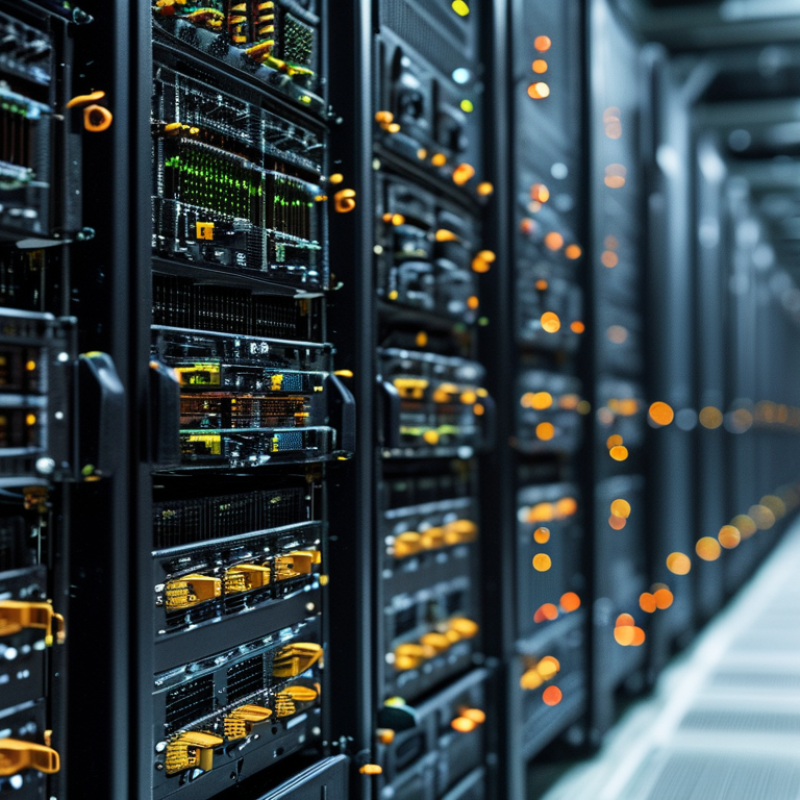
Understanding Data Center Optical Transceivers and Their Functions
Data center optical transceivers play a crucial role in enabling high-speed data transmission within modern infrastructures. They convert electrical signals into optical signals and vice versa, ensuring efficient communication among servers, switches, and storage devices. According to a recent market report by Data Center Dynamics, the global optical transceiver market is expected to reach $13.7 billion by 2026, reflecting a growing demand for high-bandwidth solutions.
Understanding the different types of optical transceivers is essential. There are several form factors available, including SFP, SFP+, and QSFP28, each designed for specific bandwidth and distance requirements. For example, a QSFP28 transceiver can support up to 100 Gbps, making it suitable for data centers dealing with massive amounts of data. However, not all organizations need such high capacity. Choosing the right type requires analysis of current and future bandwidth needs.
Costs and compatibility are two critical factors in this decision. Transceivers can be expensive, and incorrect purchases can lead to wasted resources. Furthermore, compatibility with existing hardware must be checked before purchasing. In some cases, organizations might opt for compatible third-party transceivers to save costs. However, this often raises concerns about performance and reliability. Reliability in data transmission is paramount, and hence, organizations should weigh the risks associated.
Identifying Your Data Transmission Needs and Requirements
Identifying your data transmission needs is essential when selecting an optical transceiver. The growing demand for bandwidth makes this choice critical. A report by the Data Center Industry Association highlights that the average annual data growth rate can reach 30%. Understanding current bandwidth needs helps in selecting the right transceiver speed.
Start by assessing the distance of your data transmission. Different transceiver types serve various distances, ranging from a few meters to over 40 kilometers. For short distances, a multimode transceiver may suffice, while long-range connections benefit from single-mode transceivers. The cost difference can also be significant; single-mode options might be more expensive but offer greater reliability for longer distances.
Additionally, consider future requirements. Many organizations underestimate scaling needs. A study from the International Data Corporation showed that 70% of data centers predict expansion within the next five years. Selecting a transceiver that accommodates future bandwidth increases can save costs on upgrades. It’s vital to reflect on both immediate and long-term needs to avoid premature limitations in your network infrastructure.
Evaluating Compatibility with Existing Network Infrastructure
When selecting a data center optical transceiver, compatibility with existing network infrastructure is paramount. Consider the types of devices already in use. Mixing transceivers from different generations or technologies can lead to issues. Compatibility can affect signal integrity and overall performance. Inspect the existing network architecture before making choices.
Examine the specifications of current equipment. Some optical transceivers have distinct technical requirements, such as wavelength and distance. This is critical for ensuring seamless communication. Evaluate whether the existing cabling supports the new transceiver types you are considering. Moreover, older infrastructures may not support newer technologies, which can be a costly oversight.
Additionally, pay attention to the form factors of transceivers. These aspects determine how components physically connect and function together. Different industries may follow varying standards. Research protocols to ensure your choices align with these standards. Mistakes here could undermine reliability. Making informed, precise choices is key to optimizing your network. Every mismatch could result in unnecessary downtime or inefficiency.
Comparing Different Types of Optical Transceivers in the Market
Choosing the right optical transceiver can be daunting. There are several types available, each with specific features. Understanding these can help you make an informed decision.
First, consider data rates. Transceivers typically support different speeds, such as 1G, 10G, or 40G. Higher speeds are essential for data centers experiencing heavy traffic. Ensure the selected transceiver meets your current and future needs.
Another factor is the transmission distance. Some transceivers work well for short distances, while others are designed for long-range connections. Choose based on your infrastructure and expected usage.
You should also think about compatibility. Not all transceivers work with every switch or router. Always check specifications before making a purchase. Sometimes, compatibility issues arise later, leading to frustration and additional costs.
Tips: When reviewing options, consult with experts to clarify doubts. Don't hesitate to ask for performance data. Reviews and user experiences can provide valuable insight. Ensure you choose a transceiver that aligns with your unique requirements, reducing the risk of future challenges.
Assessing Cost-Effectiveness and Long-Term Performance Considerations
When selecting a data center optical transceiver, cost-effectiveness is crucial. A recent report from the Optical Network Industry indicates that transceiver costs can vary by up to 50% depending on specifications. This discrepancy urges businesses to evaluate both initial expenses and long-term performance. A cheaper option might save funds upfront but can lead to increased energy costs or require earlier replacements.
Long-term performance is vital for system reliability. The same report highlights that transceivers with a lifespan of less than five years can lead to inefficiencies. Companies may need to account for downtime and potential outages that can disrupt operations. Over time, these disruptions can result in lost revenue and damage to reputation. Consider assessing the total cost of ownership rather than just sticker price.
It’s important to reflect on specific needs. Analyze the data rate, distance, and application environments. Sometimes, a more expensive transceiver proves to be the best investment. Each situation is unique, and what works for one data center may not work for another. Balancing cost and performance requires a careful evaluation of both current needs and future growth.
FAQS
: Assess your current bandwidth requirements and potential future growth. This helps in selecting the right transceiver speed.
The distance of data transmission is key. Short distances may need multimode transceivers, while long distances benefit from single-mode options.
Transceiver costs can vary significantly. Assessing both initial costs and long-term performance can impact overall expenditures.
Many underestimate their scaling needs. Choosing transceivers that accommodate future increases helps avoid costly upgrades later.
A less expensive option might mean higher energy costs or issues requiring more frequent replacements down the line.
It includes all expenses, such as energy, potential downtime, and replacement costs, rather than just the initial purchase price.
Transceivers with a short lifespan can lead to inefficiencies and downtime, causing lost revenue and potential harm to your business.
Each situation is unique. Some applications may require specific features which can affect performance and long-term value.
Not necessarily. What suits one center might not fit another. A tailored approach is essential based on specific needs.
Evaluate data rate, distance, and potential growth to make informed decisions about your transceiver investment.
Conclusion
Choosing the right data center optical transceiver is crucial for optimizing data transmission and enhancing network performance. Understanding the various functions of these transceivers is the first step, as they play a vital role in facilitating high-speed connectivity within data center environments. Users should begin by identifying their specific data transmission needs, which will guide their selection process.
Next, evaluating the compatibility of the optical transceiver with the existing network infrastructure is essential for seamless integration. With various types of optical transceivers available in the market, comparing features, including speed, distance, and form factor, will help narrow down options. Finally, considering cost-effectiveness and long-term performance is vital, as investing in the right data center optical transceiver can lead to significant operational efficiencies and reduced maintenance costs over time.
 Dynafiber
