Dynafiber Dynafiber

How to Choose the Best QSFP-DD Transceiver for Your Needs?

Time:2026-08-06 Author:Aria
0%

Choosing the right QSFP-DD transceiver is crucial for maximizing network performance. According to a recent report by MarketsandMarkets, the global transceiver market is projected to reach over $7 billion by 2025, highlighting an increasing demand for high-speed data transmission. In this context, making informed decisions is vital.

Expert insights further underscore the significance of careful selection. Dr. Steven Lum, a leading figure in optical communications, once stated, “The right transceiver can dramatically enhance your system’s efficiency.” This emphasizes the need for understanding the specifications and compatibility of QSFP-DD transceivers. Factors like data rate, reach, and form factor play a significant role in the decision-making process.

It’s easy to overlook some details amid the technical jargon. However, even minor discrepancies in compatibility can lead to performance issues. Thus, it’s essential to conduct thorough research. The process may seem overwhelming at first. Yet, with the right knowledge, selecting a QSFP-DD transceiver becomes a more manageable task.
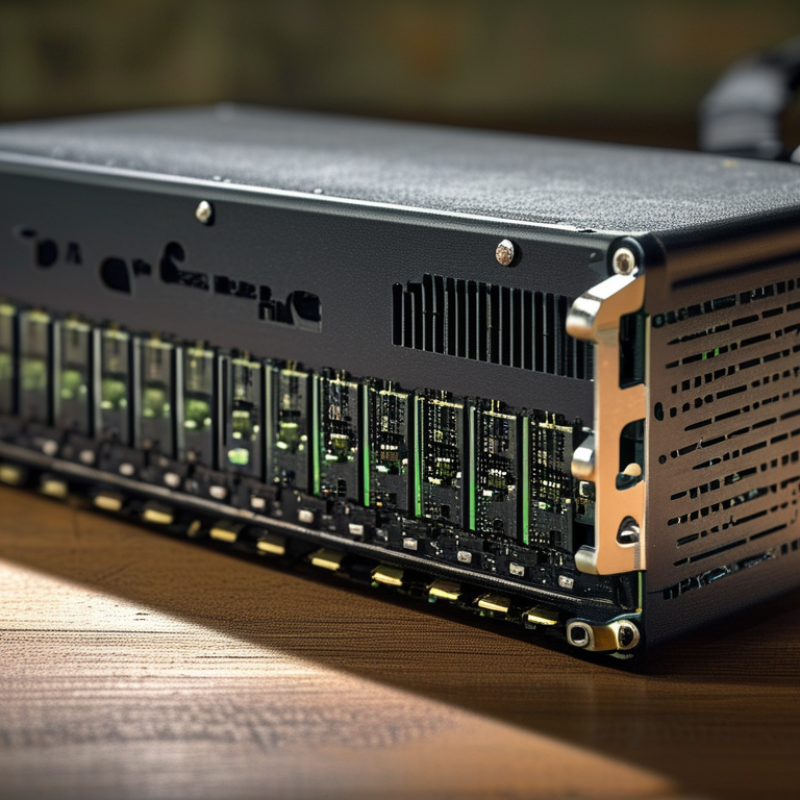
How to Choose the Best QSFP-DD Transceiver for Your Needs?

Understanding QSFP-DD Transceivers and Their Importance

QSFP-DD transceivers play a crucial role in modern data communications. These devices support high-bandwidth applications, making them essential for data centers and enterprises. According to a report by Dell'Oro Group, the demand for high-speed connections is projected to grow by over 20% annually through 2026. This need drives the importance of selecting the right QSFP-DD transceiver to ensure optimal performance.

Understanding the specifications is vital. QSFP-DD typically offers up to 400 Gbps data rates. This capability is critical for applications like AI, cloud computing, and big data analytics. Industry standards such as IEEE 802.3cm define the requirements that these transceivers must meet. However, not all transceivers are created equal, and variances in quality exist. Opting for devices with proven reliability can help mitigate the risk of network interruptions.

Investing in high-quality transceivers can yield significant returns. Gartner reports that unplanned downtime can cost organizations an average of $5,600 per minute. Choosing the right QSFP-DD can help prevent these costly disruptions. It's essential to evaluate various factors, such as compatibility, reach, and power consumption. Each aspect can significantly impact network efficiency, hinting at the necessity for a careful selection process.

Key Specifications to Consider When Selecting a QSFP-DD Transceiver

When selecting a QSFP-DD transceiver, certain specifications play a crucial role. The first consideration is the data rate. Most QSFP-DD transceivers support up to 400 Gbps. According to a recent industry report by Dell’Oro Group, the demand for high-speed transceivers has risen by 30% in the past year. This trend emphasizes the necessity of matching your transceiver's data rate to your network's bandwidth requirements.

Next, consider the reach of the transceiver. Reach refers to the distance data can travel without degradation. For example, some transceivers are designed for short-range applications, while others cater to long-haul data links. An ASHRAE technical paper indicates that 56% of data center networks rely on short-range connections. This insight is essential when assessing your infrastructure.

Temperature tolerance is another vital spec. Transceivers operate within specific temperature ranges. A failure to account for this aspect can lead your system to underperform under extreme conditions. The IEEE standards highlight that 10% of transceiver failures are attributed to temperature mismanagement. Understanding these parameters will aid in picking a reliable QSFP-DD transceiver that meets your unique networking needs.

QSFP-DD Transceiver Key Specifications Comparison

Evaluating Compatibility with Existing Networking Equipment

When choosing a QSFP-DD transceiver, assessing compatibility with your existing networking equipment is crucial. Verify the supported protocols of your current setup. Consider whether your switches or routers can handle the transceiver’s speed and form factor. Not all devices support the same connectivity options. This mismatch can lead to performance issues.

Pay attention to the connector types. Ensure they match your existing cables. You may encounter difficulties if the connectors do not align. It's important to check the firmware of your networking devices as well. Outdated firmware might limit the transceiver's functionality. Regular updates can enhance compatibility and stability.

If your network requires high bandwidth, examine the desired data rate. These details can significantly influence your choice. Sometimes, a compromise in speed is necessary if it ensures better integration with your current systems. This evaluation process can be time-consuming, but it is essential to reduce potential disruptions in your network performance. Balancing your needs with available options can often lead to better long-term results.

Assessing Performance Requirements for Different Applications

When choosing a QSFP-DD transceiver, understanding your performance requirements is crucial. Different applications have varying bandwidth and distance specifications. For example, data centers often demand high throughputs to handle multiple 400G connections. Meanwhile, telecommunication systems might require extended reach capabilities. Such variations should guide your selection process.

Another factor to consider is your network architecture. Is it a short-distance connection within a single facility, or does it span across multiple locations? This affects which transceiver types will perform optimally. Some users overlook this aspect and face network inefficiencies later on. It's essential to assess not only the current needs but also future growth possibilities.

Testing the transceivers in real-world conditions can reveal hidden weaknesses and performance gaps. A transceiver might perform excellently in theoretical scenarios but fail under actual load. Users often find that simulation tools do not replicate real network conditions. Therefore, a hands-on approach is valuable. It's about striking the right balance between specifications and practical application.

Budgeting and Sourcing: Finding the Best QSFP-DD Options

When budgeting for QSFP-DD transceivers, consider performance along with cost. Market data shows that the prices for these high-speed options typically range from $100 to $800 per unit. Higher capacities often lead to increased costs, but not always proportionately. For example, a 400G transceiver may cost significantly more yet offer similar quality as lower-cost variants. This discrepancy highlights the necessity of thorough research.

Sourcing plays a crucial role as well. Suppliers vary widely in reliability and price structure. Reports indicate that over 30% of buyers faced issues with counterfeit products last year. Make sure to verify certifications and seek recommendations. Partnering with established distributors can also help mitigate risks. Additionally, understand your specific needs. For data centers focusing on high bandwidth, investing in quality may ultimately save costs on maintenance.

Effective budgeting takes time and careful consideration. Regularly assess your performance metrics to determine if your choices align with your operational goals. In a fast-evolving industry, staying updated with market trends is vital. Be prepared to adapt your sourcing strategies based on fluctuations in demand or technology advancements. The landscape of QSFP-DD transceivers will continue to shift, making flexibility essential.

FAQS

: What are QSFP-DD transceivers used for?

: They are crucial for high-bandwidth applications in data centers and enterprises. They support data communication needs.

Why is selecting the right QSFP-DD transceiver important?

The right transceiver prevents network interruptions. Unplanned downtime can significantly impact operational costs.

What is the maximum data rate of QSFP-DD transceivers?

Most support up to 400 Gbps, essential for applications like AI and cloud computing.

How does reach affect QSFP-DD transceivers?

Reach determines data travel distance without degradation. Some are short-range, while others are for long-haul connections.

What role does temperature tolerance play in transceiver performance?

Incorrect temperature management can lead to failures. Up to 10% of failures are due to temperature issues.

How can I ensure compatibility with existing networking equipment?

Check supported protocols and match connector types. Firmware updates may also enhance compatibility.

What happens if my transceiver does not match existing equipment?

Mismatched devices can cause performance issues. It’s crucial to assess all specifications before selection.

Is it necessary to compromise on speed when choosing a transceiver?

Yes, sometimes it's vital to ensure better integration with your systems. Balance speed and compatibility.

How does power consumption influence transceiver choice?

Higher power consumption can impact network efficiency. Evaluate this aspect during the selection process.

Why is careful selection of a QSFP-DD transceiver necessary?

A thoughtful evaluation of specifications can lead to improved network performance and fewer disruptions.

Conclusion

Choosing the best QSFP-DD transceiver for your networking needs involves understanding their significance and the key specifications that influence performance. It's essential to evaluate the compatibility of the QSFP-DD transceiver with your existing equipment, as well as assess its performance requirements based on the specific applications you intend to support.

Additionally, budgeting and sourcing play a crucial role in making the right decision. By thoroughly analyzing these factors, you can identify the most suitable QSFP-DD transceiver options that meet your connectivity demands while ensuring efficiency and cost-effectiveness. Prioritizing these considerations will help you make an informed choice that enhances your network infrastructure.

Aria

Aria

Aria is a dedicated marketing professional with a deep passion for innovative strategies and a keen understanding of our company's product offerings. With a wealth of experience in the industry, Aria excels at crafting engaging content that highlights the unique features and benefits of our......