Dynafiber Dynafiber

Why Choose a 100G Optical Transceiver for Your Network Needs?

Time:2026-08-11 Author:Henry
0%

In today’s fast-paced digital landscape, choosing the right network equipment is crucial. A 100G optical transceiver stands out as a top choice for enterprises seeking speed and reliability. This technology enables lightning-fast data transmission, helping to meet increasing bandwidth demands.

More industries are leveraging cloud computing and big data. These applications necessitate robust and efficient networking solutions. A 100G optical transceiver can significantly reduce latency, improving overall network performance. This investment can unlock new opportunities for organizations by providing a competitive edge.

However, not all networks require such high capacity. Consider whether your current and future needs align with the capabilities of a 100G optical transceiver. It's essential to assess your specific use case and investment budget. Balancing performance with cost-effectiveness remains a challenging endeavor.
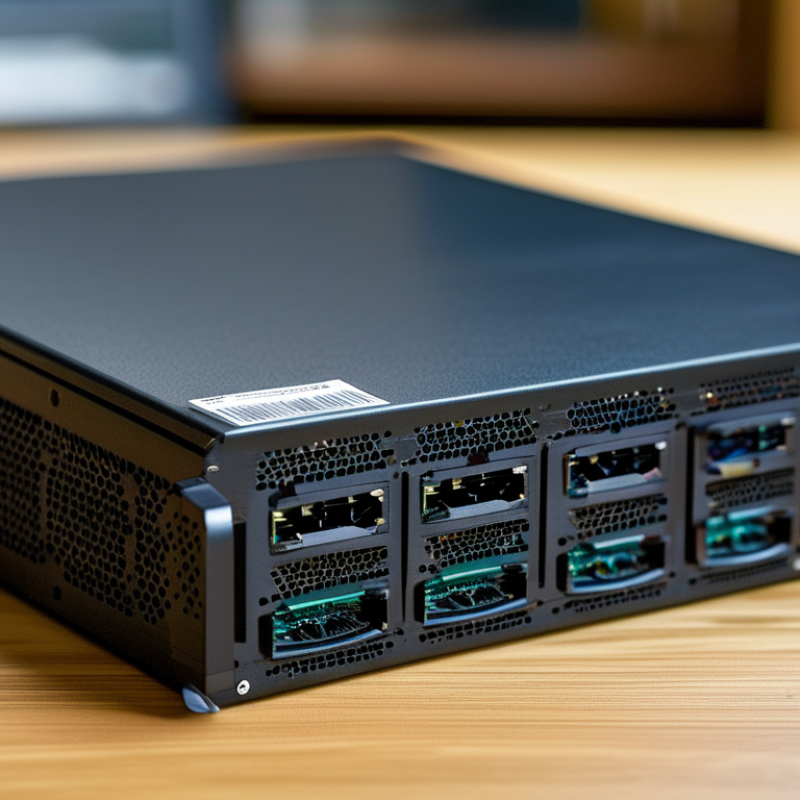
Why Choose a 100G Optical Transceiver for Your Network Needs?

Benefits of 100G Optical Transceivers in Modern Networking

In today's data-driven world, the demand for faster and more efficient networking continues to grow. According to the 2022 Global Market Insights report, the adoption of 100G optical transceivers is projected to surpass $5 billion by 2026. This figure reflects the increasing reliance on high-speed data transfer and bandwidth-intensive applications.

100G optical transceivers provide significant advantages for modern networks. They offer reduced latency, which is crucial for applications like cloud computing and video streaming. The ability to transmit vast amounts of data quickly is not merely beneficial; it's essential. For instance, a single 100G link can support the data needs of multiple 10G connections. This efficiency reduces the number of devices required, saving on infrastructure costs.

Moreover, as network demands evolve, so do the challenges of managing energy costs. A report by the International Energy Agency indicates that data centers account for about 1% of global electricity demand. Energy-efficient 100G optical transceivers can help mitigate these costs. Though these transceivers offer numerous benefits, it’s important to consider compatibility with existing systems and future scalability. Balancing immediate needs with long-term strategy is key.

Key Features of 100G Optical Transceivers to Consider

When considering a 100G optical transceiver for network needs, specific features are crucial. First, the data rate is a significant factor. A 100G transceiver supports high bandwidth, accommodating multiple applications, including data centers and enterprise networks. According to a recent market report, the demand for high-speed connections is expected to increase by over 25% annually, indicating a shift toward faster network solutions.

Another key feature is the transmission distance. Many 100G optical transceivers support distances from 150 meters to over 80 kilometers. This versatility enables seamless communication between geographically dispersed locations. To maintain data integrity over long distances, advanced error correction methods are often employed. Industry experts note that choosing a transceiver with robust error handling can reduce downtime and improve overall network reliability.

Power consumption is also an essential consideration. While 100G optical transceivers provide high performance, they can vary in power requirements. Selecting a transceiver with low power usage can lead to cost savings and a reduced carbon footprint. However, balancing performance and energy efficiency can be challenging. Decision-makers must analyze their network's specific needs to find the right balance. Ultimately, the choice of a 100G optical transceiver should reflect both current and future demands.

Why Choose a 100G Optical Transceiver for Your Network Needs? - Key Features of 100G Optical Transceivers to Consider

Feature Description Importance
Data Rate Supports data transmission rates of up to 100 Gbps. Essential for high-bandwidth applications.
Distance Can cover distances from a few meters to over 100 kilometers. Critical for connecting devices across large networks.
Form Factor Available in various form factors like SFP28, QSFP28. Provides flexibility for different network architectures.
Power Consumption Efficient designs typically consume less than 3.5 watts. Important for reducing operational costs.
Compatibility Compatible with a wide range of networking equipment. Ensures seamless integration into existing networks.
Temperature Range Operating in a range from -40°C to +85°C. Critical for deployment in diverse environmental conditions.
Wavelength Typically operates at wavelengths of 850 nm, 1310 nm, or 1550 nm. Affects performance characteristics over distance.

Comparison of 100G Optical Transceivers with Lower-Speed Alternatives

When considering network upgrades, many turn to 100G optical transceivers. They offer considerable advantages over lower-speed alternatives. Unlike 10G or 40G transceivers, a 100G solution is designed for scalability. Organizations can handle more data without experiencing latency issues. This is crucial for data centers and enterprises that demand high performance.

Choosing the right transceiver can be daunting. Compatibility with existing infrastructure must be ensured. Many lower-speed transceivers may be cheaper. However, they often lead to bottlenecks as data demands increase. A 100G transceiver may seem like an investment upfront. Yet, its long-term benefits often outweigh these initial costs.

**Tip:** Always evaluate the total cost of ownership. It’s not just about the purchase price. Operational costs and future needs matter too.

Monitoring network performance is vital after upgrading. Sometimes, the change may expose other limitations in the system. Reflect on the overall architecture to avoid future hurdles. This level of scrutiny will ensure your network remains robust.

**Tip:** Document your current network capabilities. Knowing where you stand helps in making informed decisions.

Applications of 100G Optical Transceivers in Data Centers and Beyond

In today's data-driven world, 100G optical transceivers are becoming essential for modern infrastructures. They offer significant advantages in data centers, where high-speed connectivity is critical. According to a recent industry report, 100G optics are projected to dominate the market, with anticipated growth rates exceeding 20% annually through 2025. This rapid expansion is driven by the rising demand for bandwidth as organizations increasingly rely on cloud computing and big data analytics.

The applications of 100G optical transceivers extend beyond data centers. Telecommunications providers benefit from enhanced network capacity and lower latency. A study by ResearchAndMarkets highlighted that improved connectivity can reduce latency by up to 30%. This is vital for real-time applications, such as video conferencing and online gaming. However, the initial investment in 100G infrastructure can be substantial, and some organizations may hesitate to upgrade existing systems.

Moreover, 100G transceivers facilitate scalability. Organizations can easily adjust their networks to meet growing demands. But transitioning to 100G can pose compatibility challenges with legacy systems. Companies must approach these upgrades carefully. They need to ensure that all network components can support the new speeds. Overlooking this aspect may lead to inefficiencies and increased costs in the long run. Organizations should weigh both the benefits and challenges before fully committing to 100G technology.

Applications of 100G Optical Transceivers in Data Centers

Future Trends in Optical Transceiver Technology and 100G Adoption

As industries evolve, the demand for higher data transmission rates grows. The adoption of 100G optical transceivers is a notable trend. These devices provide advanced bandwidth capabilities. They significantly enhance network performance. Organizations are increasingly relying on them for data center operations.

Understanding future trends is vital. Technologies like PAM4 modulation are expanding the limits of data capacity. More businesses are integrating 100G solutions. This is driven by the need for speed and efficiency. However, challenges exist. Adapting existing infrastructure can be complex. Organizations must evaluate their current systems before making updates.

Tips: Assess your network needs thoroughly. Consider both short-term and long-term goals. Investing in scalable technology now can save costs later. Remember to regularly review your setups. Continuous improvements are key to staying ahead.

FAQS

: What are the main benefits of 100G optical transceivers?

: They reduce latency and support faster data transfer for applications like cloud computing.

How do 100G transceivers compare to lower-speed options?

100G transceivers offer scalability and avoid bottlenecks that lower-speed options may cause.

Why is energy efficiency important for 100G transceivers?

They help mitigate high energy costs, which account for a significant portion of data center consumption.

What should organizations consider before adopting 100G transceivers?

Compatibility with existing systems and future scalability are crucial factors to evaluate.

How can upgrading to 100G transceivers affect network performance?

Upgrading may reveal other system limitations, making monitoring and reflection essential after installation.

What is PAM4 modulation, and why is it relevant?

PAM4 modulation enhances data capacity, playing a key role in achieving higher transmission rates.

How should organizations evaluate their network needs?

Consider both short-term and long-term goals to ensure effective investments in technology.

What role does total cost of ownership play in choosing a transceiver?

It includes all costs, not just purchase price, highlighting the importance of operational expenses.

Why is documenting current network capabilities helpful?

It provides clarity on your current situation, aiding in informed decision-making for upgrades.

What is a common mistake companies make when upgrading their networks?

Overlooking potential system limitations can lead to problems after a transition.

Conclusion

The article "Why Choose a 100G Optical Transceiver for Your Network Needs?" explores the significant advantages and features of 100G optical transceivers in modern networking. Key benefits include enhanced data transmission speeds, increased bandwidth capacity, and improved energy efficiency, making them suitable for high-demand environments such as data centers. The article highlights essential characteristics to consider, such as interoperability and form factor, while also comparing 100G optical transceivers with lower-speed alternatives, showcasing their superior performance for future-proofing network infrastructure.

Additionally, the article discusses various applications of 100G optical transceivers, emphasizing their critical role in optimizing data transfer in data centers and other networking environments. It concludes by addressing the evolving trends in optical transceiver technology, indicating a growing adoption of 100G optical transceivers as network demands continue to escalate in the coming years.

Henry

Henry

Henry is a dedicated marketing professional with a profound expertise in the company's offerings. With years of experience in the industry, he possesses an impressive understanding of the market dynamics and consumer behaviors that drive success. Henry is committed to sharing his insights through......