 Dynafiber
A 10G SFP+ transceiver can look like a small, simple component. Yet the wrong choice may leave a switch port dark, shorten a link’s reach, or complicate troubleshooting. This guide compares ten options for global buyers, focusing on the details that matter at installation: fiber type, wavelength, connector, reach, power use, and host-device compatibility.
Ethernet standards veteran John D’Ambrosia is a relevant standards-minded reference in this field. The following line is an editorial buying principle, not a verified quotation from him: “Match the optic to the link budget and device—not just the port label.” That distinction matters. A short multimode run inside a server room has different needs from a longer single-mode connection between buildings. Check the datasheet, supported switch list, operating temperature, and digital diagnostics before ordering.
Small details count. An LC duplex plug must seat cleanly. A DOM reading can help flag rising temperature or falling receive power. And two modules with the same headline speed may not be interchangeable across every platform. Compatibility claims deserve a second look.
This ranking is designed to make those checks easier, not to declare one universal winner. Global buyers also face varying stock, warranty terms, and regional support. Those factors can change. Use the comparison as a shortlist, then confirm specifications with the supplier. Real deployments are messy. A polished product page cannot replace a verified link budget and a bench test.
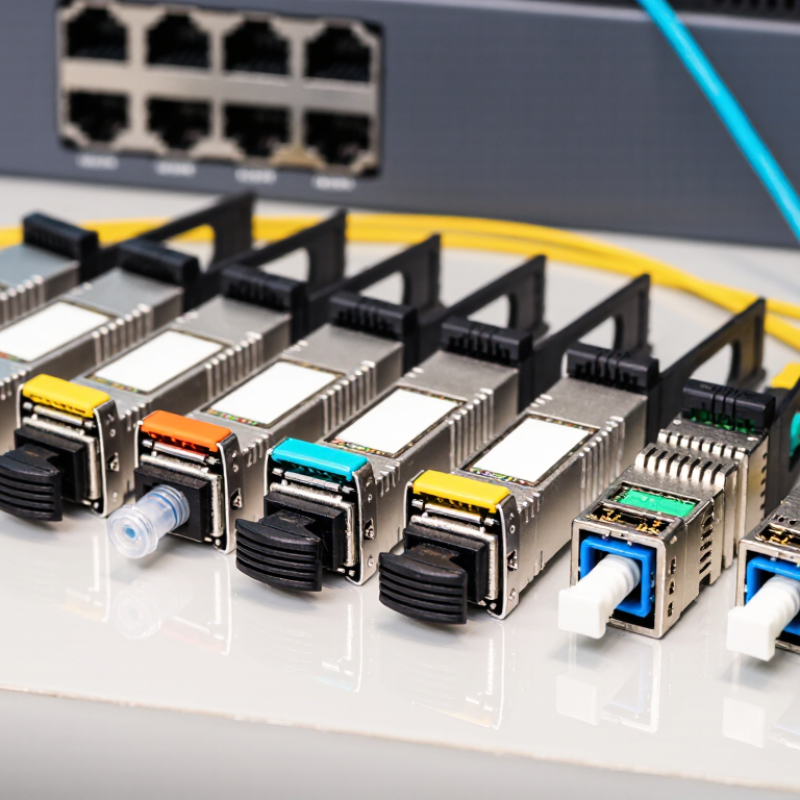
A 10G SFP+ transceiver is a compact, hot-pluggable module that connects a switch or server to a network link. It fits into an SFP+ port and converts the device’s electrical signals into light, then converts incoming light back into electrical signals. Small part, big job.
In an optical link, a transmitter sends pulses of light through fiber, and a receiver reads them at the other end. The module’s wavelength and fiber type must match the link design. Multimode fiber is commonly used for shorter runs, while single-mode fiber supports longer distances. A rated reach is not a guarantee: connectors, patch panels, and cable quality can affect performance. Check the link budget.
Before installation, confirm the port supports the module’s speed and that the connector type matches the patch cable. Many optical modules use LC connectors. Some provide digital diagnostics, such as temperature and transmit power, which help technicians spot issues. A clean connector matters; even a small speck of dust can weaken a signal. In practice, specifications can feel tidier than real cable routes, so checking the actual path is worth the extra minute.
Match the optical type, distance, fiber, and switch compatibility first. Price comes later.
SR typically uses 850 nm optics over multimode fiber for shorter links. LR typically uses 1310 nm optics over single-mode fiber for longer connections. Check the installed cable.
No. The host port’s coding, operating rate, and firmware requirements also matter. Test the exact module with the intended switch.
Check the route length, connector type, fiber grade, and link loss. Duplex LC connectors are common. Distance labels alone can mislead.
Compare transmit and receive power ranges, receiver sensitivity, and maximum power consumption. These figures help assess link margin and heat.
It reports temperature, voltage, and optical levels. Useful, but not a substitute for testing.
Several modules can add heat inside a crowded switch. Check the module’s temperature range against the equipment’s airflow and environment.
Compare warranty terms, test documentation, and return procedures across regions. Replacement delays can matter. A polished specification sheet is not proof of field reliability.
A 10G SFP+ transceiver is a compact, hot-pluggable module that connects network equipment to fiber-optic or copper cabling, enabling data transmission at 10-gigabit speeds. Choosing the right module involves comparing specifications such as wavelength, supported distance, connector type, cabling requirements, power use, and operating conditions. Common options serve different needs, from short links within a data center to longer connections between buildings or network sites.
This guide introduces ten types of 10G SFP+ transceivers for buyers with varied network requirements and explains how to assess their practical applications. It also outlines ways to verify equipment compatibility, relevant technical standards, and regional availability before making a purchase. By considering both network needs and installation conditions, buyers can narrow their choices and select modules that support dependable connectivity without paying for capabilities they do not need.
